
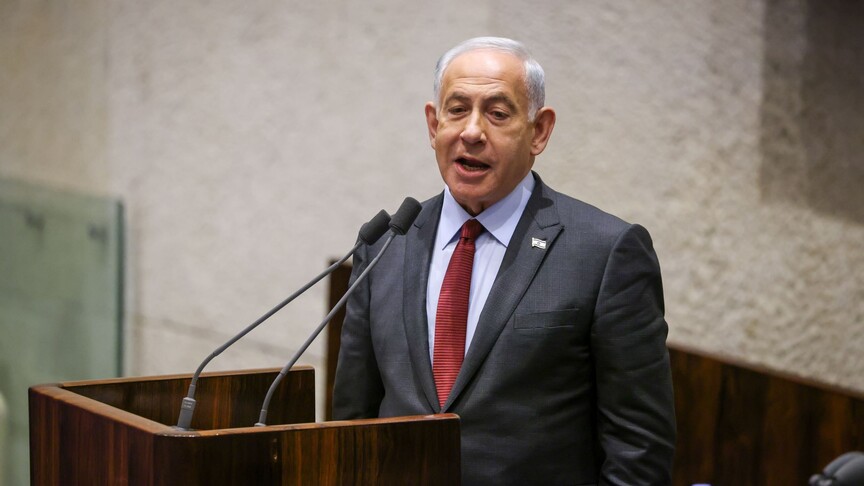
Israeli Prime Minister Benjamin Netanyahu’s administration is embroiled in controversy following allegations regarding foreign interference in the nation’s elections. The Likud party, which Netanyahu leads, has accused senior Palestinian official Mohammed Dahlan of orchestrating a damaging report by Haaretz. The report claims that Netanyahu received a warning from the United Arab Emirates (UAE) prior to the October 7, 2023, Hamas attack, stirring significant public discourse.
Allegations Against Mohammed Dahlan
According to the Likud party’s statement, the report in Haaretz is part of a larger scheme engineered by Dahlan, who resides in the UAE. This claim comes as Dahlan seeks to establish a combined electoral list with Hamas for future Palestinian elections, aiming to replace Netanyahu’s right-wing leadership with what they describe as a left-leaning coalition. The Likud party alleges that Dahlan’s goal is to weaken the current government and eventually gain control over Gaza, which he intends to accomplish by manipulating electoral outcomes.
The party has identified several key individuals in potential alliances with Dahlan, including former military officials and left-wing politicians like Gadi Eisenkot, Yair Golan, and Avigdor Lieberman. Likud asserts that such a coalition would lead to Israeli withdrawals from Gaza, allowing Dahlan to extend his influence in the territory.
Claims of Financial Incentives and Secret Meetings
Compounding the controversy, Likud alleges that journalist Shlomi Eldar, author of the contentious report, received compensation from a left-leaning organization tied to Golan’s Democratic party. This raises concerns about the potential integrity of the report itself. Likud’s statement questions whether a secret meeting involving Golan and Ronen Bar in the UAE a couple of months ago relates to the publication of the report, suggesting a coordinated effort to disrupt the election outcomes.
In light of these allegations, Likud has called for an extensive criminal investigation involving several parties, including Eldar, Ruth Yuval, and the Haaretz publication itself. The aim of this probe is to address claims of electoral manipulation by foreign entities, thereby ensuring that the integrity of Israeli elections is upheld.
Demands for Inquiry Amidst Rising Tensions
The accusations have intensified the existing tensions between the ruling party and the opposition. Following the Haaretz report, key opposition figures, including Naftali Bennett and Golan, have demanded the establishment of a state commission of inquiry to investigate the circumstances surrounding the October 7 attack. They argue that it is imperative for the Israeli public to gain clarity about the warnings received by Netanyahu and his administration, which they believe may have been ignored.
In a united front, these opposition leaders have promised to initiate a state commission of inquiry if they gain power in the next government. This prospect suggests increasing pressure on Netanyahu, who has faced ongoing criticism regarding his government’s responses to the buildup leading to the October attack. Despite the clamor for a formal inquiry, Netanyahu has resisted these calls, asserting that accountability discussions should be postponed until the ongoing conflict has concluded.
In conclusion, the situation underscores the complex dynamics at play between various political factions in Israel, particularly surrounding issues of governance, foreign influence, and national security. As the political landscape continues to evolve, the coming weeks will likely reveal further developments in this ongoing saga.