
One of the United Arab Emirates’ premier educational institutions is collaborating with an innovative biotechnology firm to establish a pioneering waste recycling facility that prioritizes composting in its mission to enhance food security. This partnership is set to revolutionize waste management in the region, integrating sustainable practices into everyday life.
Innovative Waste Management Solutions
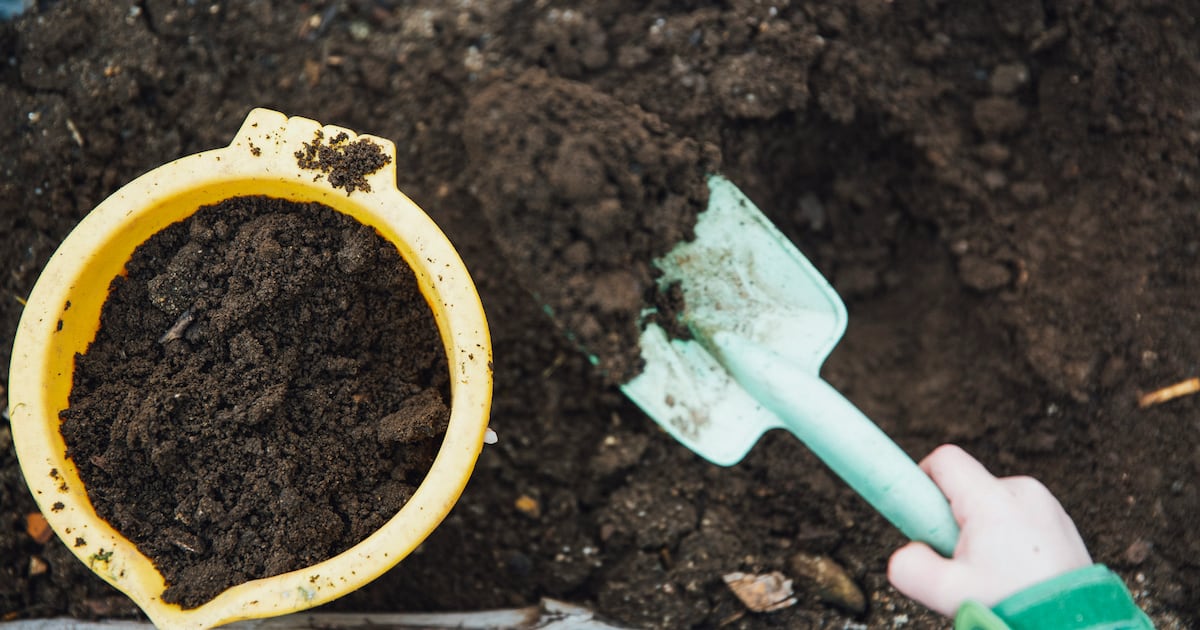
The new organic waste valorization facility, developed through a partnership between Emirates Biotech and the United Arab Emirates University, is engineered to process as much as 40 kilograms of organic waste each day once operational. This facility, located in Al Ain, is expected to be the first of its kind in the UAE, converting food scraps and compostable materials into renewable biogas and nutrient-dense compost. Its innovative approach is key to addressing the rising challenge of waste management in urban environments while promoting sustainability.
Construction of this state-of-the-art facility is anticipated to take between six to 12 months, situated on a parcel of land near the university. Composting represents an ancient, natural method of recycling organic waste, and it is poised to be a fundamental aspect of the UAE’s modern ecological initiatives. The effort to valorize organic waste not only prevents it from contributing to landfill problems but also transforms it into valuable resources that can support agricultural practices.
Vision for Self-Sufficiency
Dr. Zafar Said Sher, an associate professor in the Mechanical and Aerospace Engineering Department at UAEU, envisions the UAE as a leader in the circular economy—an approach that emphasizes the reuse and regeneration of resources while minimizing waste. By successfully executing this project, the collaboration aspires to extend its impact throughout the region, effectively reducing the volume of waste sent to landfills. According to Dr. Sher, “Composting is the future; organic waste is an opportunity.”
The UAE’s commitment to enhancing its agricultural framework depends heavily on turning organic waste into compost. This, according to Francois de Bie, Chief Commercial Officer at Emirates Biotech, will ultimately help create fertile land needed for growing crops. Highlighting the environmental implications, de Bie notes that organic waste sent to landfills emits methane—a greenhouse gas that is significantly more harmful than carbon dioxide.
A Roadmap for Sustainable Development
In addition to the composting facility, Emirates Biotech is set to launch the region’s largest polylactic acid (PLA) plant in the KEZAD (Khalifa Economic Zones Abu Dhabi) area by 2029. Bioplastics made from PLA, derived from renewable resources such as corn starch and sugar cane, offer an environmentally friendly alternative to conventional plastics. This plant aims to produce 80,000 tonnes of PLA annually and will include an on-site recycling complex to enhance sustainability efforts.
The choice of Al Ain as the site’s location is tied to its long-standing agricultural heritage, which includes traditional irrigation systems like falaj. The goal is to create a self-sufficient agricultural system that relies on organic waste collection and composting, ensuring that the region remains food-secure.
Pursuing a Circular Economy
The UAE has been proactive in embracing a circular economy model and has initiated several programs aimed at diverting waste from landfills. For instance, Nema, established in 2022, is the National Food Loss and Waste Initiative that aims to halve food waste by 2030. Furthermore, Naseej, an initiative for textile circularity launched recently, targets the reduction of textile waste.
The ambitious goals set by UAE leadership reflect a commitment to driving sustainable practices, with aims for net-zero emissions by 2050. As highlighted by de Bie, achieving these targets requires dedication and collaboration among stakeholders, but previous initiatives indicate a strong potential for success. With a focus on advancing both agricultural sustainability and waste management, the UAE is poised to become a leader in eco-friendly practices in the region.