
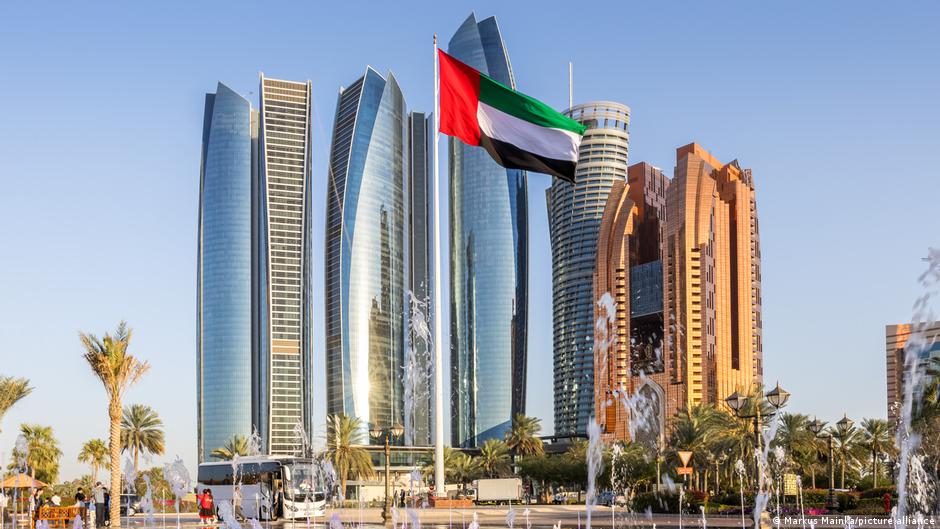
ADNOC Distribution’s recent acquisition of Shell’s petrol stations and fuel business in South Africa, worth approximately $1 billion, marks a significant milestone for Abu Dhabi in Africa’s energy landscape. This move underscores the increasing presence of Gulf nations in the African fuel market, reflecting a broader trend of investments that have been intensifying over the years.
Growing Gulf Investment in Africa
The Gulf Cooperation Council (GCC) states have invested over $100 billion in Africa in the last decade, significantly contributing to the continent’s economy. The UAE has been at the forefront, with around $59 billion of that total investment, while Saudi Arabia follows with $26 billion. According to experts, the proximity of Africa to the Gulf states is not just geographical but also historically intertwined through trade routes and socio-economic ties, making this engagement a logical progression.
Stephan Roll, an expert at the German Institute for International and Security Affairs, points out that the Gulf nations view Africa as a vital region where economic opportunities abound. Over the past decade, the Gulf states have shifted their focus to diversify away from oil and gas, recognizing Africa as an untapped market ripe for various investments.
Diverse Investment Strategies
Maddalena Procopio, a senior policy fellow with the European Council on Foreign Relations, suggests that diversification from hydrocarbons is driving Gulf states to invest in Africa. These investments primarily target sectors such as energy, logistics, and agriculture, which are essential for strengthening food security and accessing critical raw materials needed for advancements in technology and infrastructure. The UAE is particularly active, leveraging its financial capability to engage in multiple sectors, while Saudi Arabia adopts a more selective approach, focusing on energy and development financing.
Despite differences in strategies, both countries aim to solidify their influence and secure strategic trade routes through their investments. The UAE’s port investments, in particular, not only offer economic benefits but also enhance its geopolitical influence in the region.
A Strategic Rivalry Between Saudi Arabia and the UAE
The differing approaches of Saudi Arabia and the UAE can be traced back to their unique economic needs. The UAE’s development model relies heavily on establishing international trade relationships, especially as it seeks to diversify away from oil. In contrast, Saudi Arabia’s larger size allows for a more concentrated focus on aligning foreign trade with its national vision for economic transformation.
This strategic competition between the two Gulf nations has implications for their engaging with Africa. Investments from the UAE often carry a political dimension aimed at increasing its regional standing, while Saudi Arabia may pursue more focused energy partnerships without the intent of direct competition with the UAE.
Challenges and Opportunities for Africa
While Gulf investment offers potential benefits to African nations, concerns have arisen regarding economic dependency. Chatham House warns that many Gulf investments serve the strategic interests of the funding states, leading to African nations becoming mere suppliers of raw materials. This situation calls for a more balanced approach that encourages not just resource extraction but also the development of local industries.
Both the Brookings Institution and the African Development Bank advocate for a model that would enhance local manufacturing and foster sustainable growth. The success of Gulf investments hinges on African countries’ ability to leverage these funds to build their domestic industries and ensure long-term economic stability.
In conclusion, the Gulf states’ growing financial footprint in Africa represents both an opportunity for economic development and a challenge in crafting sustainable partnerships. As African nations evaluate these investments, their ability to convert financial inflows into substantial growth will play a critical role in shaping future economic landscapes.