
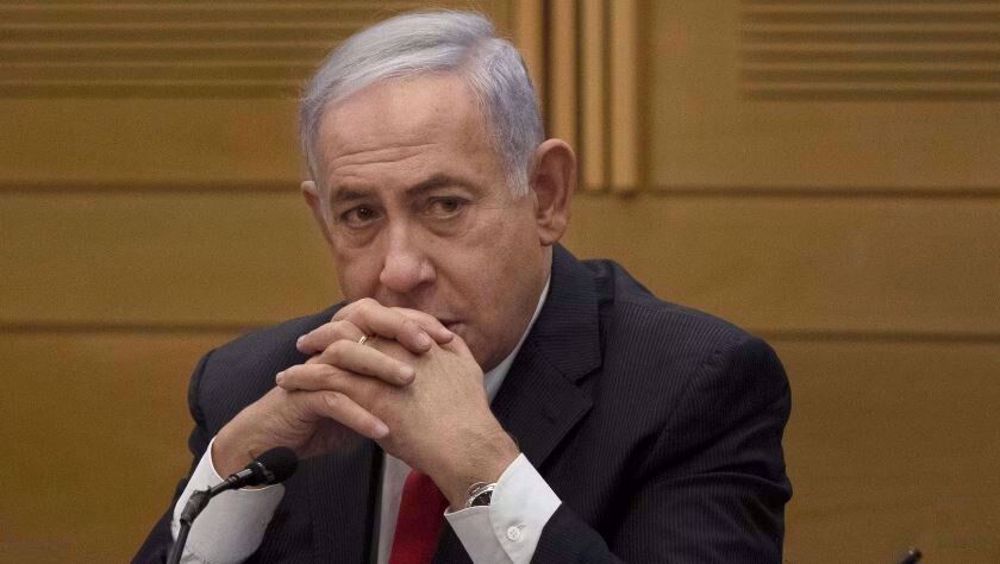
Israeli Prime Minister Benjamin Netanyahu has come under scrutiny for allegedly failing to communicate a crucial warning from the United Arab Emirates regarding a significant operation planned by Hamas and other Palestinian factions in Gaza. This oversight, reported by The New York Times, raises serious questions about the preparedness and decision-making within Israel’s security apparatus.
Warning from the UAE
According to sources with insider knowledge, Emirati President Sheikh Mohammed bin Zayed Al Nahyan reached out to Netanyahu in late September 2023. The purpose of the communication was to inform him of the potential for a large-scale operation being organized by Hamas. However, the warning was vague, not specifying whether it involved aerial assaults or a ground offensive. This lack of specific information didn’t prevent Israeli security officials from expressing concern in the aftermath of the communication.
Despite the warning, five former senior Israeli officials revealed to The New York Times that it failed to reach the core leadership of Israel’s security agencies. This gap in communication has raised alarms about the effectiveness of the country’s intelligence-sharing mechanisms, especially in light of the subsequent attacks on October 7, 2023.
Netanyahu’s Disregard for the Warning
In a meeting on October 1, 2023, Netanyahu convened senior security personnel to address issues related to Gaza. However, records of the meeting showed that he did not take into account the Emirati warning. Instead, Netanyahu pushed for a policy of calm in Gaza, dismissing recommendations from his advisors that suggested possible military action against key Hamas figures. He defended his stance by arguing that military strikes could jeopardize ongoing discussions about establishing diplomatic ties with Saudi Arabia.
The Prime Minister has denied receiving any forewarning from the UAE. Following an initial report by Haaretz, Netanyahu dismissed the claims, but the implications of his actions have led to increased scrutiny on his administration.
Communication with U.S. Officials
Sheikh Mohammed bin Zayed later referenced his communication with Netanyahu in conversations with then-CIA Director William Burns. He indicated that he had provided Netanyahu with clear warnings about the imminent threat posed by Hamas, not just from Gaza but potentially also from the occupied West Bank. This acknowledgment may have further ramifications, particularly in terms of international relations and intelligence collaborations.
The ongoing fallout from this incident has sparked debates about the effectiveness of Israel’s intelligence-gathering and decision-making processes. The consequences of failing to act on such critical warnings can be devastating, particularly in a region where tensions run high and conflicts can escalate rapidly.
In summary, the issues surrounding Netanyahu’s handling of the Emirati warning highlight significant concerns about Israel’s security protocols and the country’s readiness to face emerging threats. Continued scrutiny and analysis are likely as the situation unfolds, particularly in light of the recent developments related to Hamas and other Palestinian groups in Gaza.