
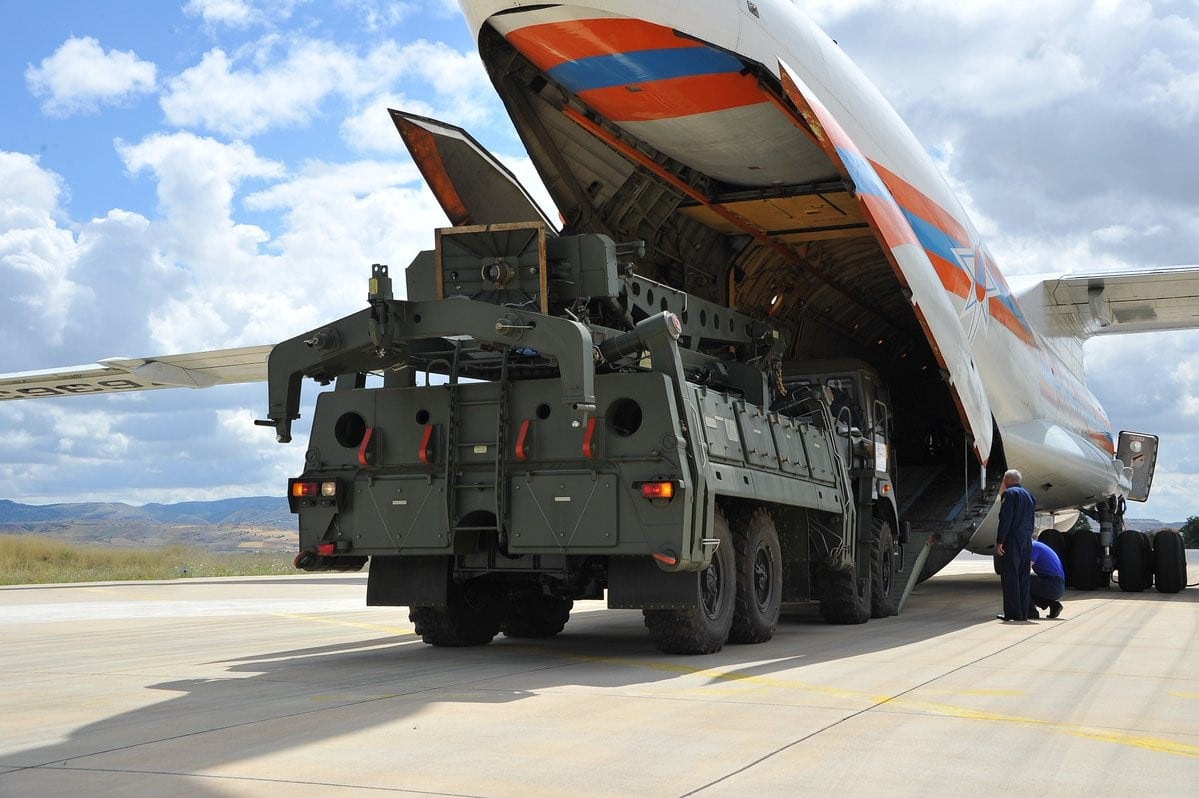
Turkey’s prolonged disagreement with the United States regarding the S-400 missile system may be approaching a turning point. However, the resolution is unlikely to unfold as Ankara had originally envisioned, and it is fraught with new complexities and challenges.
The Origins of the S-400 Dispute
At the heart of the tension between Turkey and the U.S. lies Turkey’s decision to acquire the S-400 system from Russia. This choice has been controversial, as the United States has expressed significant concerns over potential security risks associated with the S-400’s compatibility with NATO systems. The U.S. argues that allowing Turkey to operate the Russian missile system could compromise the integrity of NATO defense strategies. Consequently, Washington preemptively removed Turkey from the F-35 fighter jet program, leading to heightened diplomatic strains.
The Turkish government had initially believed they could negotiate a resolution that would allow them to both retain the S-400 systems and maintain their role within NATO. However, as the U.S. adopted a firmer stance, Ankara quickly realized that the situation was more complex than anticipated. The implications of the S-400 deal not only affect bilateral relations but also carry ramifications for the broader geopolitical landscape.
Recent Developments and Diplomatic Efforts
As Turkey faces mounting pressure from both the U.S. and its own citizenry regarding defense capabilities, recent diplomatic efforts have intensified. Talks between American and Turkish officials have become more frequent, with both sides keen to explore potential compromises. Ankara has expressed its desire to seek a path that might mitigate the potential fallout from its S-400 acquisition while preserving its strategic alliances.
Yet, frustration is palpable on both sides. Turkey seeks security assurances and believes that U.S. cooperation in defense matters is essential, given regional threats. In contrast, the U.S. remains firm that no arrangement can overlook the inherent risks of operating Russian systems within the NATO framework. This divergence in priorities may hinder any swift resolution and complicate future collaborations.
Implications for NATO and Regional Stability
The implications of the ongoing standoff extend beyond Turkish-American relations and into the realm of NATO. A productive resolution is pivotal for the alliance, as cohesion among member states is critical for ensuring collective security. Failure to address the S-400 issue could set a precedent, encouraging other nations to pursue independent defense agreements outside the NATO umbrella.
Moreover, the geopolitical ramifications of this dispute could have a ripple effect across the Middle East. Turkey remains a key player in regional dynamics, and its defense posture affects several neighboring countries. As tensions continue, observers are increasingly interested in how Turkey’s choices will shape security relationships in the region. The U.S. is also navigating its foreign policy approach, seeking to balance its commitments to allies while maintaining competitiveness in global security.
In conclusion, Turkey’s ongoing struggle related to the S-400 system represents a significant moment, fraught with complexities and challenges. The unfolding situation will undoubtedly test diplomatic resilience and has the potential to reshape the future trajectory of both U.S.-Turkey relations and NATO’s collective strategies. As both sides continue to grapple with the implications, the outcome may redefine alliances and security dynamics in an ever-evolving international landscape.