
Gulf Co-operation Council (GCC) member states are actively exploring a framework for enhanced collaboration on water resources, according to a senior UAE official. This initiative reflects a growing recognition of water scarcity issues and aims to replicate successful models of partnership seen in other sectors, particularly energy.
Discussions on Water Cooperation
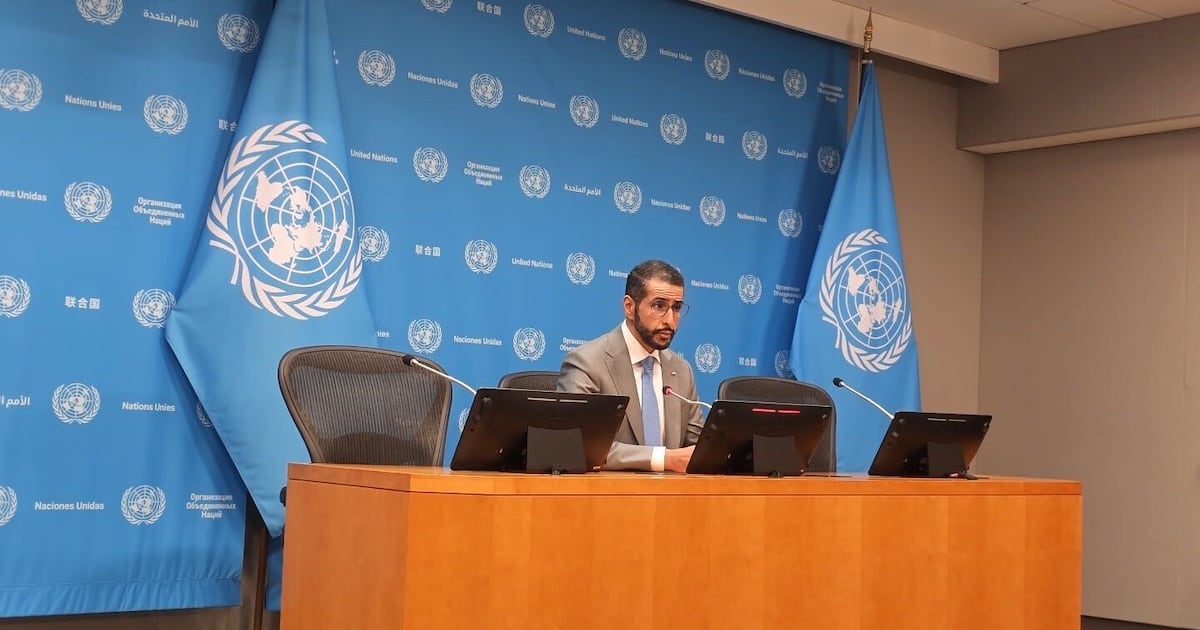
During a recent press briefing at the UN General Assembly in New York, Abdulla Balalaa, the UAE’s Assistant Minister of Foreign Affairs for Energy and Sustainability, shared insights into the ongoing conversations among GCC member states regarding a water-sharing initiative. This proposed framework aims to mirror the established co-operation structure currently employed in energy, highlighting the urgency of water resource management in the region. “This is a great example of co-operation,” Balalaa noted, emphasizing the potential impact of such collaborative efforts.
Upcoming UN Water Conference
These discussions come in anticipation of the 2026 UN Water Conference, scheduled to take place in December in Abu Dhabi, co-hosted by the UAE and Senegal. This event is particularly significant as it marks the first water conference organized by countries from the Global South in the last 50 years. As the UAE prepares to host this pivotal gathering, it is pushing for increased focus on water security and conservation—integral components of its foreign policy during the high-profile UN General Assembly week.
The UAE’s Unique Water Challenges
While the UAE boasts impressive statistics regarding access to safe water and sanitation—reportedly achieving 100 percent coverage—water scarcity remains a pressing concern. The nation primarily relies on desalination processes to meet its water needs, underscoring the challenges it faces in terms of sustainability and resource management. Balalaa remarked, “We never had the luxury of treating water as a side issue,” highlighting the critical nature of water access in the region.
The Call for Global Action
The urgency of the water crisis was articulated by Balalaa as he described water scarcity as a “global challenge,” stating that “no one is immune” to its far-reaching effects. He called for a unified international approach to tackle this pressing issue, stressing that the severity of the crisis goes beyond the capabilities of individual nations. The numbers surrounding water scarcity are staggering, necessitating co-operative efforts to find effective solutions.
In addition to collective measures, Balalaa emphasized the importance of private-sector involvement in addressing water challenges. He urged countries to develop conducive regulatory frameworks, enabling financiers and lenders to provide the necessary capital for innovative solutions. He also extended an invitation to technology owners, entrepreneurs, and innovators to showcase their advancements in Abu Dhabi. Such collaborations are essential for deploying technologies that can help millions lacking access to clean water.
In conclusion, the GCC’s proactive stance on water cooperation, particularly as it gears up for the upcoming UN Water Conference, reflects a growing awareness of the critical role water plays in sustainable development. The combined efforts of member states, the private sector, and technological innovators could lead to meaningful progress in mitigating the global water crisis.