
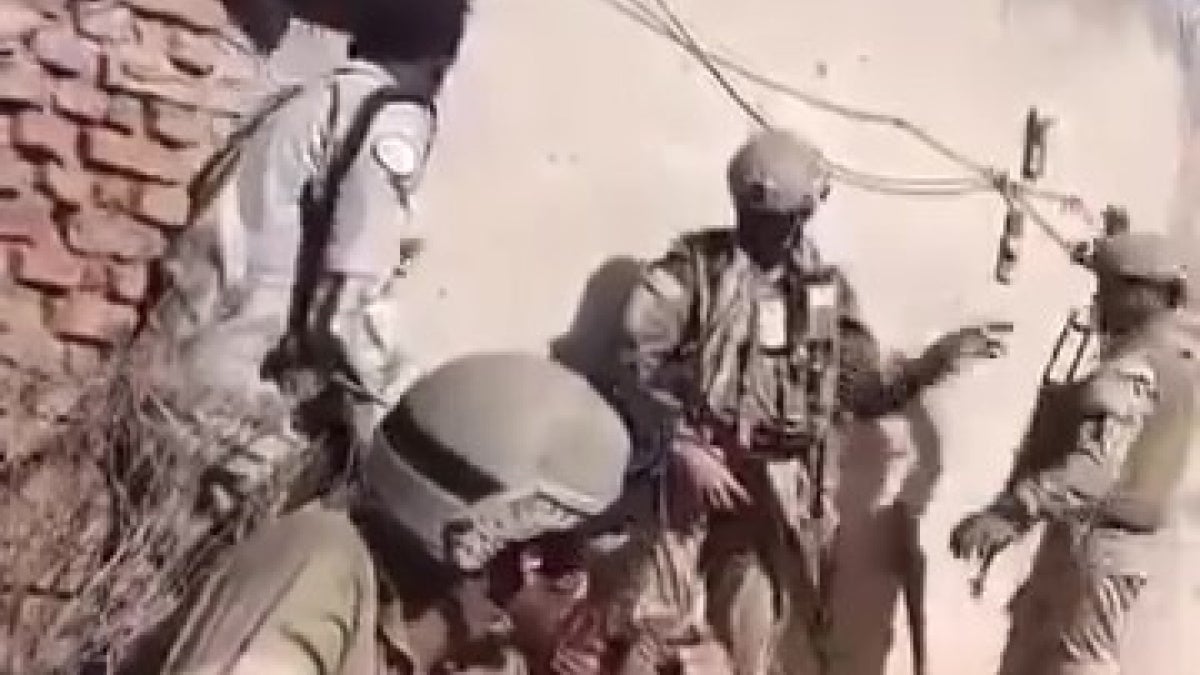
Colombia has recently come under scrutiny for its involvement in conflict zones, particularly with the private military contractors who have been linked to the United Arab Emirates (UAE). These contractors have made headlines for their alleged support of the Rapid Support Forces (RSF) in Sudan, raising questions about both ethical practices and international accountability in military engagements.
Role of Colombian Contractors in Sudanic Conflicts
Private military contractors from Colombia have reportedly been hired by firms based in the UAE. These contractors were said to have moved through UAE military installations before their deployment to Sudan. This pathway not only underscores the logistical arrangements between countries but also highlights ongoing issues surrounding private military engagement in warfare. The situation in Sudan is particularly dire, marked by significant human rights violations, and the armed groups involved, such as the RSF, have been widely criticized for their conduct.
The deployment of these Colombian contractors raises ethical concerns. By supporting a group known for its abusive tactics, the contractors risk complicity in these significant violations. While the private military industry often views its services as mere business transactions, the consequences of their engagements can have far-reaching implications. Supporting a group like the RSF, notorious for violence and human rights abuses, complicates the narrative surrounding Colombia’s military exports.
Implications for International Law and Accountability
The involvement of Colombian private military contractors in foreign conflicts not only challenges the norms of warfare but also poses urgent questions regarding international law. The responsibility of states to ensure that their military personnel, including contractors, do not participate in or support abuses cannot be overstated. The situation calls for enhanced regulatory frameworks that govern the activities of such contractors, particularly when they are utilized by foreign entities.
The nexus between Colombian contractors and the UAE-backed RSF serves as a critical example of the implications of privatized military services. As conflicts become increasingly complex, the need for accountability mechanisms grows. International oversight may be needed to address these interactions and ensure that those complicit in violations are held accountable. Additionally, countries must grapple with their roles in these dynamics, especially when their citizens’ actions contribute to grievous human rights violations.
Rising Concern Over Private Military Industries
The rise of private military firms has ignited a global debate about their role in modern warfare. These contractors are often seen as a means to circumvent traditional military deployments, providing flexibility and deniability. However, the moral implications are difficult to overlook, particularly in situations where they support violent factions like the RSF. The trend represents a shift in how wars are conducted and raises significant ethical challenges.
Moreover, the use of private contractors blurs the lines of accountability in military engagements. As they operate under different legal frameworks than national soldiers, it becomes increasingly difficult to track their actions and hold them accountable for potential crimes committed during their deployment. The Colombian case illustrates the urgent need for universal standards regarding the hiring and conduct of private military personnel.
In summary, Colombia’s involvement in the conflict in Sudan, particularly through private military contractors linked to the UAE, serves as a striking example of the complexities and ethical concerns inherent in modern warfare. The international community must confront the challenges of accountability and human rights violations, ensuring that such practices do not continue unchecked. The role of private military firms in international conflicts is under greater scrutiny than ever, necessitating dialogue, regulatory oversight, and ethical considerations moving forward.