
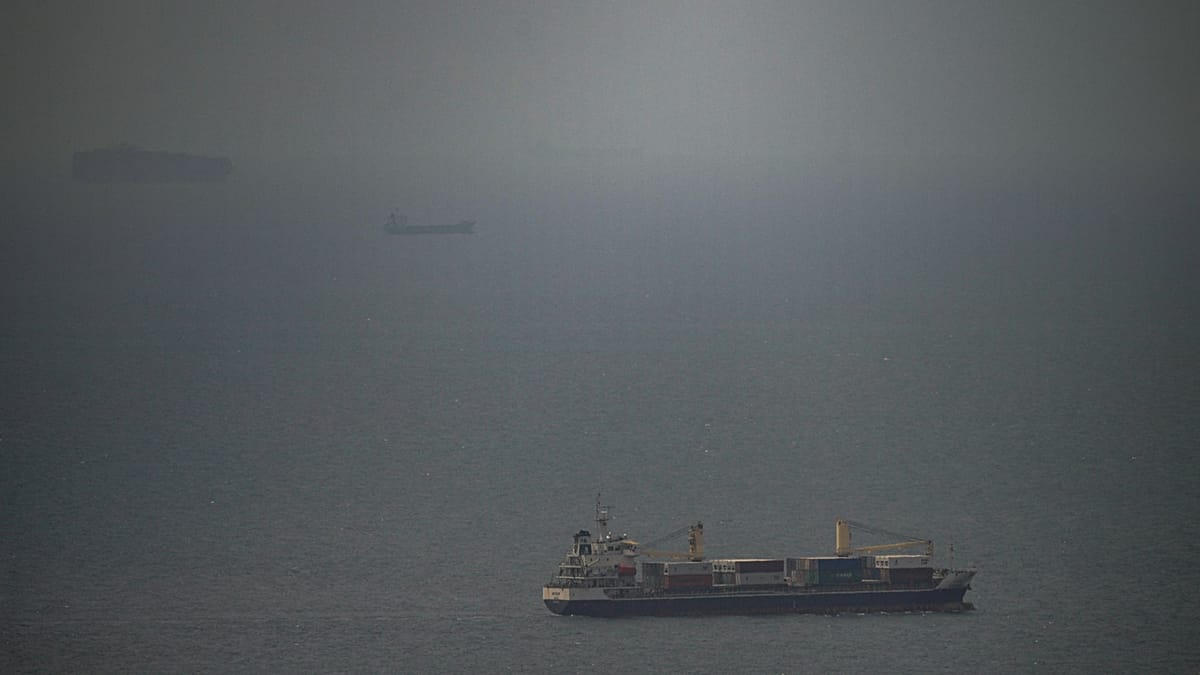
In the context of ongoing instability in the Gulf region and disruptions in vital maritime channels, experts warn of the significant implications for European energy security and trade. During a recent conference in Prague, Dr. Anwar Gargash, a senior adviser to the UAE President, articulated the challenges that the European energy sector may face due to these geopolitical tensions.
Historical Context of Regional Tensions
Dr. Gargash underscored that the complexities leading to the current state of affairs are deeply rooted. He stated that the fractures within the international system and the Middle East have longstanding origins. The impact of previous conflicts, including the ongoing fallout from the Iran war, continues to resonate, posing risks not only to Gulf nations but also to the global landscape. He noted the region’s efforts to mitigate conflict, acknowledging the delicate balance that exists amid the fear of escalated hostilities.
Implications of Iran’s Instability
According to Dr. Gargash, although Iran has emerged from recent crises significantly weakened, the repercussions of the ongoing conflict have triggered broader instability. This includes assaults on Gulf infrastructure and heightened threats to shipping routes that are crucial for global trade. He specifically highlighted the Strait of Hormuz, through which a substantial portion of the world’s energy flows, as a focal point of these escalating tensions. “Any alteration in the status of Hormuz poses serious ramifications for Europe,” Gargash warned, emphasizing the region’s interconnectedness to European energy supplies and overall trade stability.
Europe’s Role in Ensuring Maritime Security
Dr. Gargash urged European nations to recognize their stake in maintaining secure navigation routes, calling for enhanced engagement in the protection of maritime pathways. However, he clarified that the UAE does not seek direct military involvement from European states. Instead, he emphasized the need for Europeans to align their national interests with the preservation of free navigation through strategic waterways. He commended the support received from countries like France and Greece during recent escalations, highlighting that collaborative defense efforts are essential for regional stability.
Resilience Amidst Challenges
Despite the threats posed by regional instability, Dr. Gargash expressed confidence in the UAE’s resilience. He pointed out that the country’s socio-economic structure remains robust, rendering it an attractive environment for both investment and opportunity. He revealed that, during a peak conflict period, the UAE faced a staggering volume of 3,300 missile and drone attacks; remarkably, only about 4% managed to breach its air defenses. This statistic underscores the effectiveness of the UAE’s defensive measures and its commitment to safeguarding its territory.
In summary, while the lingering geopolitical tensions present formidable challenges for the Gulf and European nations alike, the call for diplomacy remains urgent. Dr. Gargash advocated for a concerted effort to address the underlying factors contributing to instability, as finding a political resolution with Iran is crucial to restoring tranquility and fostering a secure environment in the region.