
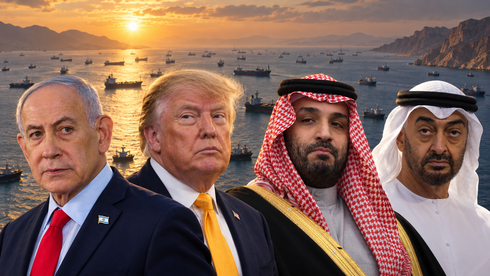
In recent developments in the Middle East, Gulf nations are increasingly uniting against the aggressive actions of Iran and its affiliated groups. This marks a pivotal moment where Arab states are willing to collaborate in a U.S.-led coalition and even consider working with Israel for mutual security.
Shifts in Regional Security Dynamics
A notable catalyst for this realignment was Israel’s military support to the United Arab Emirates during recent conflicts. Observers in the Gulf noted that Israel’s readiness to assist its allies during crises has spurred interest from other nations seeking similar security guarantees. Countries in the region are now engaging with Jerusalem to explore possible defense collaborations, illustrating a broader trend of mutual reliance against common threats.
The United States has recognized this shift and is actively working to establish a new security framework in the region. Washington’s aim includes forming a coalition with Arab states focused on countering Iranian influence. A top priority for these nations is maintaining safe navigation through vital waterways like the Strait of Hormuz and Bab el-Mandeb. They perceive these routes not only as regional priorities but as global concerns necessitating international cooperation and U.S. support.
Long-term Strategies for Security
In addition to short-term coalitions, the U.S. is exploring long-term strategies to lessen reliance on the Strait of Hormuz. Proposals include constructing an oil pipeline that circumvents the strait and enhancing domestic refining capabilities. These measures aim to fortify the American economy while reducing vulnerability to potential regional disruptions.
Recently, U.S. Central Command (CENTCOM) orchestrated a significant meeting in Germany, uniting military leaders from the U.S., Israel, and several Arab nations. This gathering, the first of its kind since the ongoing tensions with Iran began, provided an important platform for discussing security issues in the region.
During the meeting, CENTCOM commander Admiral Brad Cooper emphasized that the U.S. military presence in the region would not diminish in response to Iranian provocations. Alongside him, military leaders from Israel and Gulf states lacking formal diplomatic ties with Israel were present, marking a milestone in defense collaboration. The discussion focused on strategic partnerships and opportunities to enhance regional security.
Opportunities for Israel and Saudi Arabia
CENTCOM is also fostering dialogue between Israel and Saudi Arabia, particularly as the latter seeks assistance in dealing with threats from the Houthis. After facing consecutive setbacks, Riyadh is reevaluating its defense alliances, particularly those with Pakistan and Turkey, which have proven to be less dependable than anticipated.
Despite a cooling of relations between Israel and Saudi Arabia in recent months, Israeli officials are optimistic about rekindling cooperation. They see the current difficulties faced by Riyadh as an opportunity to strengthen ties and pull Saudi Arabia closer to moderate regional powers. Officials in Jerusalem emphasize that rebuilding trust will require efforts from both sides, stressing the need for Saudi Arabia to reassess its policies.
As this geopolitical landscape continues to evolve, clearer voices regarding the Iranian threat are emerging from Arab leaders involved in the recent discussions. A senior official voiced confidence that the aggressive actions of Iran would not deter collaboration between Gulf states and the U.S. Rather, they believe such threats reinforce the necessity for united military coalitions and partnerships with the U.S. and other like-minded nations, which they consider vital for their defense against regional instability.