
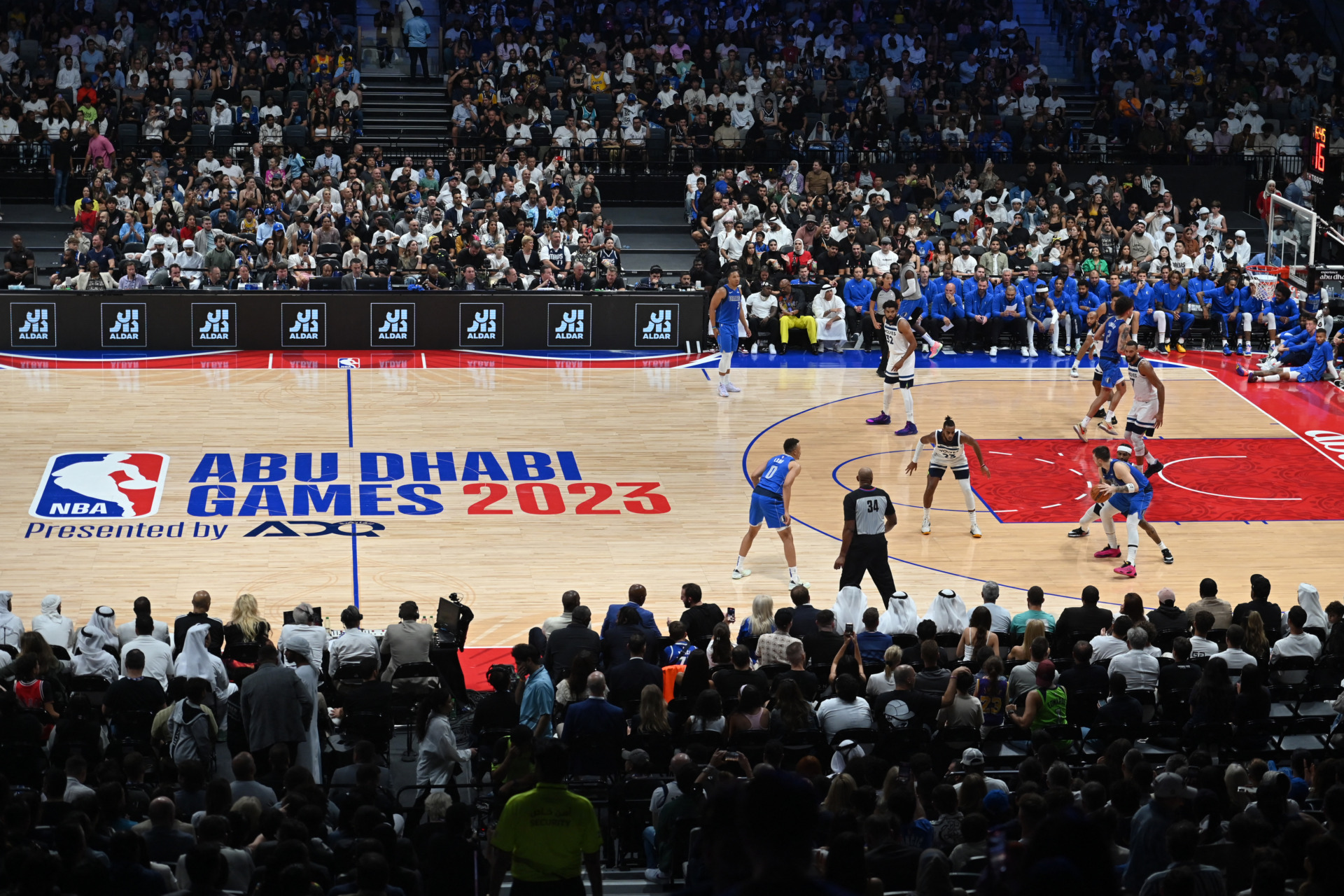
This year’s NBA playoffs have captivated audiences with unprecedented comebacks and exhilarating overtime games, resulting in some of the highest viewership numbers in decades. However, amidst this success lies a troubling issue concerning the league’s relationship with social justice, notably regarding the conflict in Sudan. While the NBA has long been seen as a proponent of racial equity and social justice, its current partnerships raise ethical questions that cannot be ignored.
NBA’s Complicated Ties to Sudan
The NBA’s relationship with Sudan is intricately tied to the United Arab Emirates (UAE), a significant partner in the league’s commercial ventures. As one of the external influencers in the Sudanese conflict, the UAE has been implicated in perpetuating the world’s largest humanitarian crisis. The NBA’s partnership with Emirates Airlines, showcased prominently during playoff games, includes branding on backboards, courts, and referee uniforms. This financial arrangement generates hundreds of millions annually for both the NBA and the airline, essentially aligning the league with the interests of a regime involved in serious allegations of human rights violations.
The timing of the NBA Championship, featuring teams like the New York Knicks, exacerbates the situation. The Knicks proudly display “Experience Abu Dhabi” on their jerseys, reaping a substantial $30 million yearly from this partnership. This branding serves not just as an advertisement but also as an endorsement of the UAE’s image as a progressive nation, overlooking the troubling realities of its involvement in Sudan.
Underlying Military Conflicts and Human Rights Issues
Despite its futuristic branding, the UAE plays a dual role as an arms supplier to the Rapid Support Forces (RSF), a paramilitary group infamous for ethnic violence in Sudan. The RSF has been responsible for horrific atrocities, including mass killings and other human rights violations. Investigations have uncovered evidence linking the UAE to the supply of advanced weaponry to this group, which has reportedly committed acts of genocide against ethnic groups in Sudan. Human rights organizations and various international bodies have raised alarms about this troubling relationship, yet the NBA continues to profit from its commercial ties with the UAE.
What complicates matters further is the silent complicity of major global brands, including the NBA, in promoting the UAE’s image while ignoring the genocidal actions being carried out by the RSF. This corporate approach aims to project a polished image of the UAE, effectively laundering its reputation through high-profile sponsorships amidst ongoing human rights abuses.
The NBA’s Ethical Dilemma
While some may argue that the NBA is merely following state department guidelines regarding its partnership with the UAE, this stance is puzzling given the league’s history of taking a stand on pressing social issues. Following significant events like the murder of George Floyd, the NBA has been vocal about social justice, aligning itself with various causes. In stark contrast, it appears hesitant to address the grim realities of its partnerships that indirectly fund a regime arming a genocidal militia.
The silence surrounding the NBA’s involvement in this complex situation raises important ethical questions. The league has historically taken action to support marginalized communities and should likewise act decisively to reconsider its partnerships that conflict with its values. A robust moral compass informed by the principles of racial and social equity must guide the NBA—one that aligns its commercial interests with humanitarian imperatives.
The time has come for the NBA and its teams to suspend their partnerships with the UAE completely, associating their decision with the UAE’s military support for the RSF. A commitment to pause these partnerships can open a path for ethical engagement, allowing reinstatement only when the UAE verifiably ceases its support for violence in Sudan.
In conclusion, the stakes have never been higher for the NBA to navigate this ethical landscape. A failure to act will not only tarnish the league’s image but will also signify a moral abdication at a time when human rights violations call for urgent action. The NBA must seize this moment to assert its commitment to justice, leveraging its influence to advocate for change in both the sports world and beyond.