
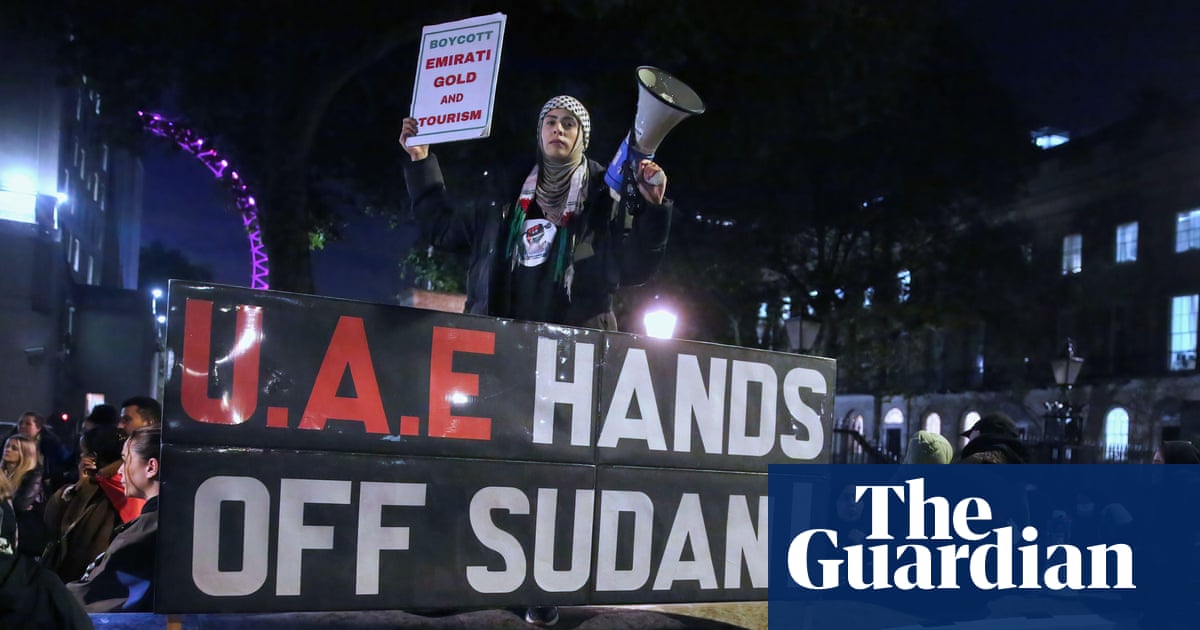
Nesrine Malik’s recent commentary underscores the imperative need for a global response regarding the involvement of the United Arab Emirates (UAE) in the ongoing conflict in Sudan. As calls for accountability increase, international attention must shift toward examining the role of external powers, including the UAE, whose actions may have exacerbated the humanitarian crisis.
Documenting Foreign Involvement in the Conflict
To date, international inquiries, particularly by the UN and African organizations, have largely concentrated on the violations committed by Sudan’s own warring factions. However, it is crucial to expand this investigation to include the UAE’s actions during the conflict. This inquiry should address both the UAE’s failure to prevent atrocities, including the genocide in Darfur, and its culpability in craftily orchestrating violations of international humanitarian laws. Accountability is needed not just for Sudanese parties but also for external agents who have actively contributed to the chaos.
Reports have indicated complicity from various nations and entities beyond the UAE, which have sustained and intensified the conflict, notably through providing support for drone warfare. It is essential to recognize that global actors, including corporations and regional states, have played a significant role in sustaining Sudan’s war economy. A comprehensive report documenting these violations would help establish a clearer picture of foreign involvement and foster calls for action.
The Need for Accountability
Creating an official record of the UAE’s engagement in Sudan’s war has the potential to galvanize collective responses from nations and organizations that have, until now, remained passive. Not only could such revelations prompt influential states to rethink their alliances and support for the warring factions, but they may also mitigate the international community’s complicity in this dire situation. Ultimately, if external support for both sides diminishes, there could be genuine prospects for negotiations and an end to violence.
Furthermore, accountability raises the critical question of reparations for the war’s victims and reconstruction efforts for Sudan. The citizens of Sudan deserve justice, peace, and autonomy, ending the encroachments upon their rights from both internal and external forces. Addressing these complexities is essential for paving the way toward a stable future.
The Role of the UK and its Responsibilities
In her article, Malik points out the negligence of successive British governments concerning the UAE’s role as a significant supporter of the instability in Sudan, particularly its support for the Rapid Support Forces. Despite denials from the UAE, evidence suggests a longstanding commitment to equipping these factions with resources. As the UK holds the position of “penholder” for Sudan within the UN Security Council, it bears a greater responsibility to address these issues and facilitate an end to the conflict.
Additionally, the ongoing war has devastating consequences on the people of Sudan, particularly women and children. As a trustee for the Women’s Education Partnership, I witness firsthand the repercussions for disadvantaged women and girls aiming for education amidst violence. The lack of local staff and the displacement of students highlight the urgent need for stabilization. Many students are struggling to pursue their studies while grappling with trauma and dislocation.
Hope for Sudan’s Future
Women in Sudan have demonstrated remarkable resilience and leadership during historical uprisings, notably the revolution of 2018-2019. As calls for accountability grow, there is hope that once peace is restored, these women will reclaim their agency and thrive in a future that respects their rights. A concerted international response not only holds the promise of resolution in Sudan but also serves as an essential reminder of the interconnectedness of global human rights issues. A robust examination of the UAE’s role could pave the way toward meaningful change and a brighter future for Sudanese citizens.