
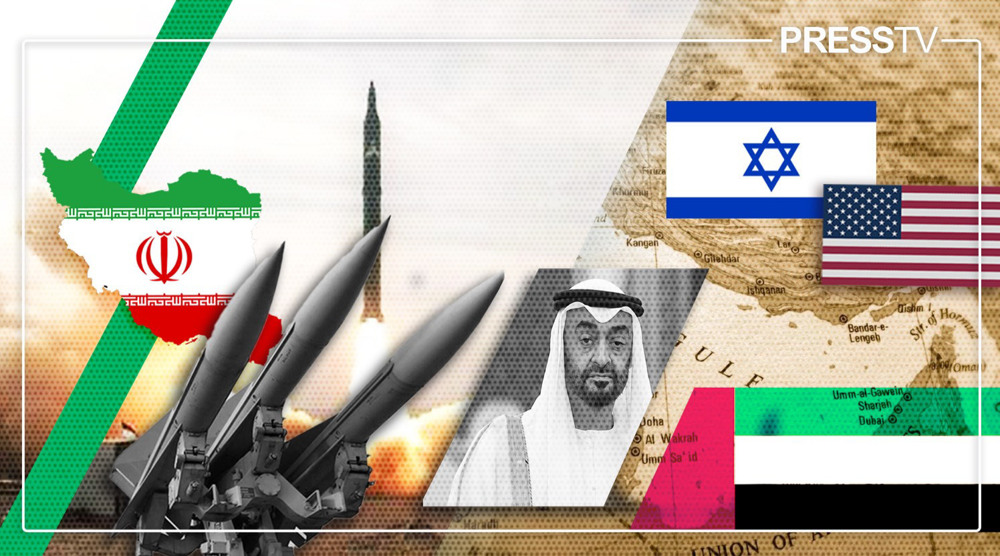
The existence of weight classes in combat sports underscores a fundamental truth: size and power often prevail over skill alone. This analogy holds true in international relations as well, particularly regarding the strategic landscape of the United Arab Emirates (UAE). Over the last fifteen years, the UAE has endeavored to establish itself as a significant regional power. However, this ambition leads to questions about the sustainability of its policies and long-term viability in a complex geopolitical context.
The UAE’s Ambitious Foreign Policy
The UAE has crafted a narrative of being a formidable force, leveraging its wealth through financial diplomacy and military interventions. It has inserted itself into conflicts across the Arab World and Africa, including Yemen and Libya, projecting influence that far exceeds its demographic and military capabilities. This strategy resembles historical examples where smaller, wealthier states overestimated their capacities, leading to dire consequences.
For instance, Renaissance Venice mistook its economic clout for military power during the Italian Wars, suffering significant losses that permanently altered its status. Similarly, Kuwait’s pre-1990 policies, bolstered by oil wealth and American patronage, backfired catastrophically when it became a target for Iraq. The UAE appears to be on a parallel path, repeating these historical mistakes with a modern twist.
Fragile Demographics and Geography
The UAE’s demographic composition presents a significant vulnerability. With around a million citizens within a population of over ten million, Emiratis are a minority in their own land. The country’s economy and security heavily depend on a transient labor force, which could evaporate during a regional conflict, triggering a collapse. This fragility indicates a lack of a national identity or citizen-soldiers, which would be crucial in defending against external threats.
Geographically, the UAE is equally exposed. Its critical infrastructure—water desalination plants, ports, and financial hubs—sits perilously close to the coastline. Should a regional adversary, like Iran, choose to act, the UAE’s concentrations of vital assets would be easy targets. Unlike many other nations that possess strategic depth or significant inland resources, the UAE is acutely aware that it would face immediate catastrophe if its water supply were compromised. This precariousness raises questions about the wisdom of its ambitious foreign engagements.
The Dangers of Overcommitment
Further complicating the UAE’s strategic posture is its recent alignment with Israel under the Abraham Accords. While this was perceived as a bold step toward regional stability, it has inadvertently tied UAE security to Israeli policy decisions, making it a target for retaliation, particularly from Iran. The miscalculation in this alliance diminishes the UAE’s former strategic ambiguity in the region.
Overextension manifests in the UAE’s military engagements—most notably in Yemen, where it spearheaded a humanitarian crisis and ultimately retreated, signaling a failure to maintain its ambitions. Similarly, its involvement in Libya and support for various factions in the Horn of Africa reflects a pattern of aggressive policies without a clear exit strategy. The UAE lacks the capacity to maintain these costly engagements while simultaneously addressing the wide-ranging consequences of its decisions.
A Path Toward Stability
The fundamental question for the UAE’s leadership is whether their current trajectory is sustainable and beneficial in the long run. A recalibration of priorities—seeking cordial relations with neighboring states rather than aggressive posturing—could lead to a more stable future. Such a shift requires abandoning the myth of the UAE as an emergent superpower, recognizing that wealth does not guarantee security.
Should the UAE continue to ignore its vulnerabilities while pursuing grand ambitions, it risks isolating itself in a future crisis. A swift reevaluation of its foreign policy could serve as a lifeline, allowing it to navigate the complex geopolitical waters of West Asia without becoming another cautionary tale of overreach and miscalculation. The coming years for the UAE hinge on whether it can reconcile ambition with reality, ensuring its survival as a stable state amidst regional volatility.