
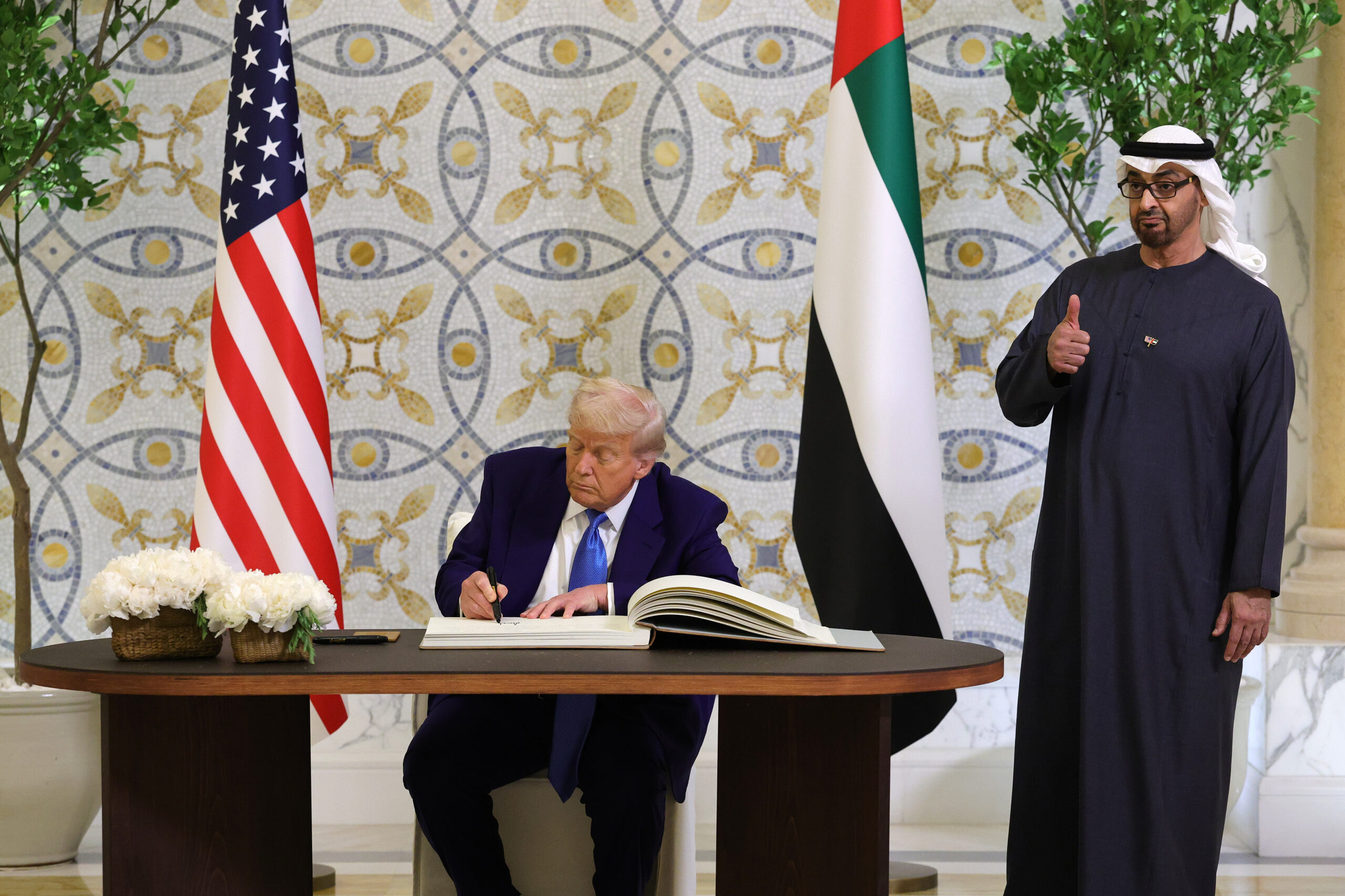
Following the recent conflict initiated by the U.S. and Israel against Iran, the Gulf States find themselves navigating a complex geopolitical landscape. Despite their efforts to deter the war and maintain a neutral stance, these countries now host extensive U.S. military resources, which inadvertently implicates them in the ongoing conflict.
The Dilemma of Gulf States
As U.S. and Iranian missiles exchanged fire, the Gulf States faced escalating pressures. Bader Al-Saif, an expert from Kuwait University, emphasizes that these nations are keen to avoid being perceived as part of a united U.S.-Israeli front against Iran. The Gulf States were vocal in their opposition to the war, believing it to be unlawful, especially as negotiations with Tehran seemed to be progressing. Their goal was to stay uninvolved, as they had made significant diplomatic attempts to prevent military escalation.
Contradictory reports emerged, particularly regarding Saudi Arabia’s alleged involvement in encouraging the U.S. military action against Iran. Saudi officials refuted these claims, suggesting they had no interest in prolonging the conflict. Both Al-Saif and Maria Luisa Fantappiè, head of a key Mediterranean and Middle Eastern program, highlight that there is no substantial evidence supporting these allegations. They note that Gulf leaders, including those from Qatar and the UAE, had actively requested the U.S. to pause hostilities, further highlighting their reluctance to engage in the conflict.
The Unique Stance of the UAE
While most Gulf nations sought restraint, the United Arab Emirates (UAE) adopted a more assertive and atypical approach, advocating for a firmer defense strategy alongside the U.S. This shift was marked by the UAE’s willingness to partake in a U.S.-led initiative aimed at securing navigation in the strategically vital Strait of Hormuz. Coinciding with the Gulf Cooperation Council’s recent summit, the UAE also announced its departure from the OPEC oil group, signaling a significant policy change.
Pushing the boundaries of collaboration, Israel extended military assistance to the Emirati forces, a historical first in terms of transferring an Iron Dome battery to another nation. This unprecedented cooperation indicated a new era of relations between the two countries, previously shrouded in secrecy. Furthermore, it was reported that the UAE had launched its own military operations against Iranian targets, marking its deeper involvement in the conflict.
A Shift in Strategy Towards Engagement
As a result of its aggressive posturing, the UAE became a primary target of Iranian retaliation, with reports indicating it sustained more attacks than any other Gulf State. However, an unexpected turn of events occurred when Iran launched an offensive against the UAE’s Fujairah port but refrained from further strikes. Speculation arose that the UAE, similar to other Gulf nations, may have negotiated terms with Iran to facilitate a ceasefire and avoid further military action.
Recent intelligence suggests that the UAE agreed to release substantial sums of frozen funds under U.S. sanctions to Iran, a move potentially aimed at securing a halt to missile strikes. While Emirati officials have pushed back against these claims, the rumored deal appears to be a strategic pivot away from aligning with U.S. initiatives that resulted in becoming an Iranian target.
The implications of such a realignment could be significant. As Iran may view this opening as a pathway to halt attacks in exchange for financial relief, it raises questions about the future of Gulf-Iran relations. Some reports indicate that the deal may extend beyond immediate military concerns to include broader economic and intelligence cooperation, hinting at potential stability in a historically tumultuous region.
In summary, the UAE’s evolving policies reflect a dynamic shift in the Gulf States’ approach to the Iran conflict. By moving from aggression to negotiation, the UAE may not only safeguard its national interests but also pave the way for potential reconciliation between Iran and its Gulf neighbors, ultimately reshaping the regional balance of power.