
As tensions in the Middle East escalate, the geopolitical landscape remains fraught with uncertainty. Recent developments involve the U.S. government’s strategic decisions regarding military operations and its economic implications. This article focuses on the latest updates, particularly concerning “Project Freedom,” gasoline prices in the U.S., and responses from Iran.
Trump Pauses Project Freedom Amid Iran Negotiations
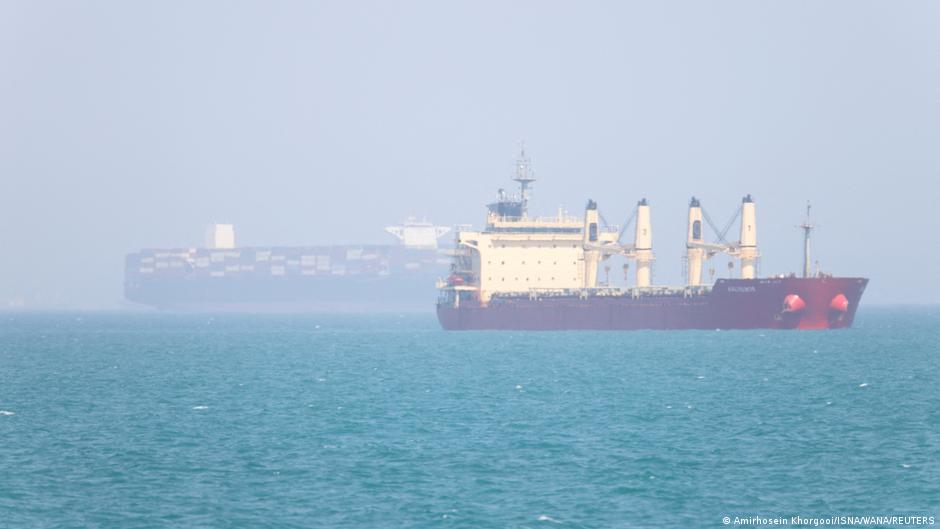
U.S. President Donald Trump has announced that “Project Freedom,” aimed at ensuring safe passage for ships in the Strait of Hormuz, will be temporarily halted. This pause is intended to allow the U.S. to facilitate negotiations for a potential agreement with Iran. In a message shared on his Truth Social platform, Trump emphasized the importance of finalizing the deal, noting that the safety of shipping was now in a state of flux.
However, while this project may be on hold, Trump reaffirmed the continuation of the U.S. naval blockade impacting Iranian ports. This dual approach reflects the complexity of diplomacy, where military action and negotiation often coexist, shaping the international response to ongoing conflicts.
Surging Gas Prices in the U.S. Linked to Middle Eastern Tensions
Amidst the conflict, American consumers are feeling the pinch at the pump. According to the American Automobile Association (AAA), gasoline prices in the U.S. have surged by 50% since the onset of military operations against Iran earlier this year. The average cost of a gallon of regular gasoline reached approximately $4.48, a significant increase attributed to instability in the region, particularly the closure of the Strait of Hormuz, through which a substantial portion of the world’s oil traffic typically flows.
Industry experts warn that as long as the Strait remains compromised, upward pressure on fuel prices will persist. This situation poses challenges not only for everyday consumers but also for businesses reliant on stable fuel costs, thereby affecting the broader economy.
Iran’s Strong Denial of Attacks on the UAE
On the military front, the Iranian military has categorically denied any involvement in recent missile and drone attacks aimed at the United Arab Emirates (UAE). This statement came after the UAE reported that its air defense systems were engaged in responding to threats that were supposedly launched from Iranian territory. The Iranian armed forces expressed that they did not execute any operations against the UAE in those days, labeling the accusations as completely unsubstantiated.
The Iranian military’s statement included a stern warning, reiterating that any aggressive actions initiated from Emirati territory would provoke a decisive response from Iran. This escalation of rhetoric further complicates the tenuous ceasefire in the region, highlighting the fragility of peace in a war-torn landscape.
U.S. Shift to Defensive Operations in the Strait of Hormuz
In Washington, Secretary of State Marco Rubio announced that offensive operations against Iran are officially over, with U.S. efforts now focused on defensive maneuvers. Rubio clarified that the only actions taken will be in response to aggression, notably aimed at enforcing the blockade of Iranian ports. This shift in strategy outlines the U.S. approach to mitigating risks while attempting to navigate complex diplomatic waters.
As the conflict persists, the implications of military and diplomatic maneuvers extend beyond immediate tensions, affecting global markets and local economies alike. With both sides reaffirming their positions, the path to resolution appears increasingly convoluted, marking a critical phase in Middle Eastern geopolitics.
In summary, the convergence of diplomatic efforts, military strategies, and economic impacts shapes the ongoing narrative in the region. Stakeholders worldwide remain watchful of developments as they unfold, awaiting the next move in this chess game of international relations.