
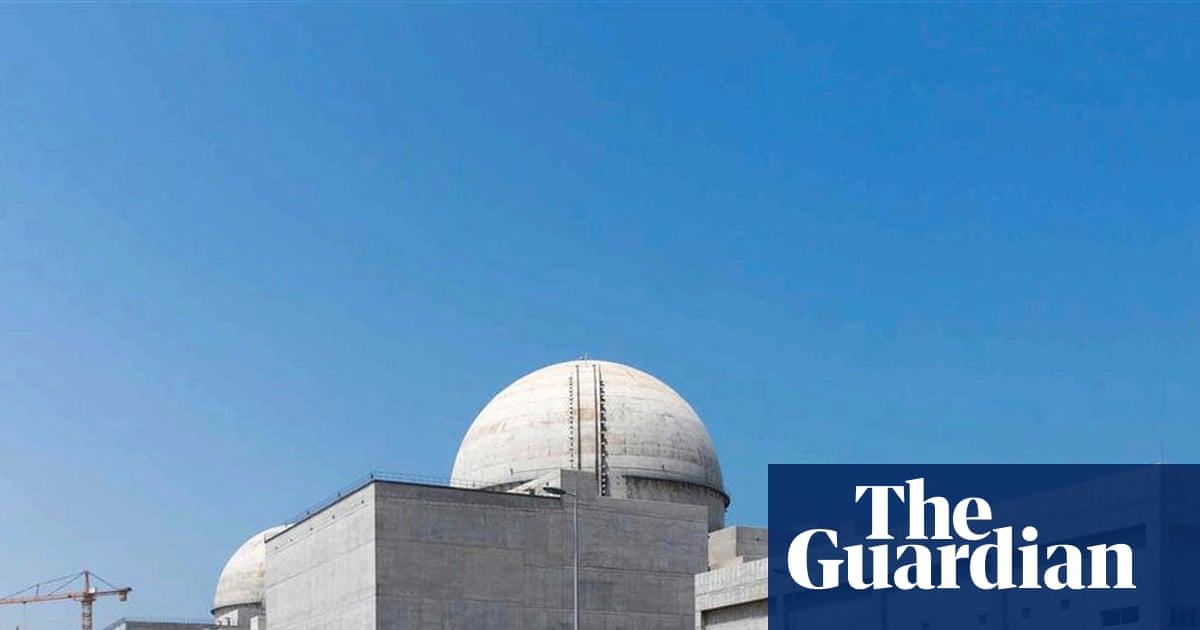
The United Arab Emirates has attributed a recent fire near its Barakah nuclear power facility to a drone launched by Iran or one of its proxies, describing the incident as a “dangerous escalation.” This situation raises significant concerns in the context of ongoing regional tensions and conflicts.
Details of the Incident
The fire occurred outside the Barakah nuclear plant, but authorities reported no injuries or radiation leaks associated with the event. The UAE’s nuclear regulatory body confirmed that there was no immediate threat to public safety. This incident unfolds during a fragile ceasefire in the ongoing conflict involving Iran and its neighboring countries, creating a backdrop of heightened military and diplomatic tensions. The UAE’s concerns are particularly acute given its recent experiences with regional aggressions, which have involved drone and missile strikes targeting its oil infrastructure.
Political Ramifications
In the wake of this incident, U.S. President Donald Trump expressed his frustration over the stalemate in peace talks, urging Iran to act swiftly. Trump’s statements, made via his social media platform, indicate an escalating urgency towards resolving the ongoing conflict. His remarks come amid continued dialogues with his national security team and conversations with Israeli Prime Minister Benjamin Netanyahu regarding the situation in the region, further emphasizing the interconnected nature of these geopolitical issues.
The UAE’s foreign minister, Sheikh Abdullah bin Zayed Al Nahyan, has engaged with regional allies, including Saudi Arabia, which has condemned the drone attack. The UAE’s defense ministry noted that the drone incident involved one of three unmanned aircraft that entered UAE airspace, indicating a potential coordinated effort against its infrastructure.
International Response and IAEA Concerns
The International Atomic Energy Agency (IAEA) has expressed alarm over the drone attack, highlighting the unacceptable risk posed to nuclear facilities during military actions. IAEA Director General Rafael Grossi’s concern underscores the broader implications for regional security and nuclear safety. Reports indicate that the UAE may retaliate against previous Iranian assaults, signaling a potentially aggressive posture toward its neighbor.
Anwar Gargash, an advisor to the Emirati presidency, firmly placed blame on Iran or its proxies, labeling the attack as “terrorist targeting.” He characterized the incident as a blatant violation of international laws, raising alarms about the disregard for civilian safety in such confrontations. The UAE’s proactive measures highlight its commitment to defending its national security and its nuclear capabilities.
As investigations continue into the origins of the drone strikes, the UAE remains vigilant and is expected to disclose more information as it becomes available. This incident could significantly reshape the fabric of regional diplomacy and military strategy, especially as nations grapple with rising tensions stemming from the Iran conflict. The focus on national sovereignty and safety remains a priority for the UAE, which has also strengthened its alliance with Israel amid ongoing hostilities in the region.