
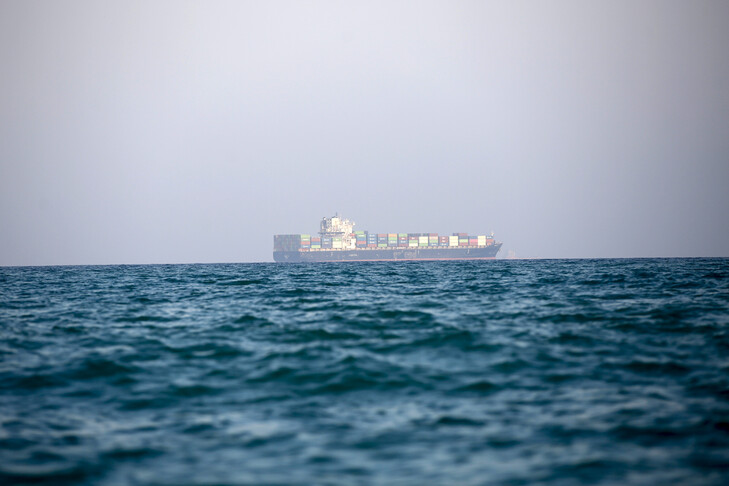
The United Arab Emirates (UAE) recently urged for a de-escalation of tensions in a region facing significant upheaval. Stressing the importance of secure supply routes through the Strait of Hormuz, UAE officials underscored the necessity of upholding international law during their address to the UN General Assembly.
UAE’s Call for Stability
Khalifa Shaheen Al-Marar, the UAE Minister of State, articulated these concerns during a speech at the 81st session of the United Nations General Assembly in New York. He emphasized, “The region is witnessing transformations and divisions, and tensions must be reduced.” This statement reflects the UAE’s deep concern over instability following escalating conflicts that involve major powers in the region.
The background of this call for calm is critical. The conflict intensified following US and Israeli military actions against Iran on February 28, prompting retaliatory attacks from Tehran on Israel and other nations, including the UAE. The situation further deteriorated with subsequent US strikes against Iran, complicating dialogue between Washington and Tehran. Despite a memorandum of understanding that was signed in June to help ease tensions, navigating these geopolitical waters has proved challenging.
The UAE’s Vision for Partnership
Emphasizing a commitment to moderation, Al-Marar stated, “My country remains committed to moderation, rejecting violence and extremism while investing in people and the immense potential of our region.” This proactive stance demonstrates the UAE’s desire to form alliances both locally and globally, promoting unity rather than division. “We extend our hands to partners in the region and around the world to build rather than destroy,” he added, highlighting the country’s diplomatic aspirations in these turbulent times.
In line with these collaborative efforts, the UAE is gearing up to host the upcoming UN Water Conference in partnership with Senegal. Al-Marar pointed out the importance of addressing issues like water, climate change, and food security, inviting nations to participate in the conference to forge practical solutions. This initiative underlines the UAE’s commitment to collective action on pressing global challenges, emphasizing the necessity for collaborative efforts on water security.
Addressing the Crisis in Sudan
Turning attention to Sudan, Al-Marar also called for an immediate end to hostilities, remarking that neither faction in the ongoing conflict should have a role in shaping the nation’s future. The conflict between Sudan’s army and the Rapid Support Forces (RSF), which erupted in April 2023, has led to staggering casualties and displacement, affecting millions. The UAE’s involvement in regional conflicts has been scrutinized, with Sudanese officials alleging Emirati support for the RSF, a claim that Abu Dhabi has consistently denied.
The war has resulted in tens of thousands of deaths and approximately 13 million people forced to flee their homes, as reported by the United Nations and various international organizations. As the UAE navigates these issues, its calls for diplomacy and cooperation could serve as crucial stepping stones toward stabilization in these volatile regions.
In conclusion, the UAE’s diplomatic initiatives reflected in the recent address at the UN General Assembly highlight its aspirations for regional stability and international collaboration. Through dialogue and shared objectives, the UAE aims to foster a more secure and unified Middle East, addressing both humanitarian crises and geopolitical tensions.