
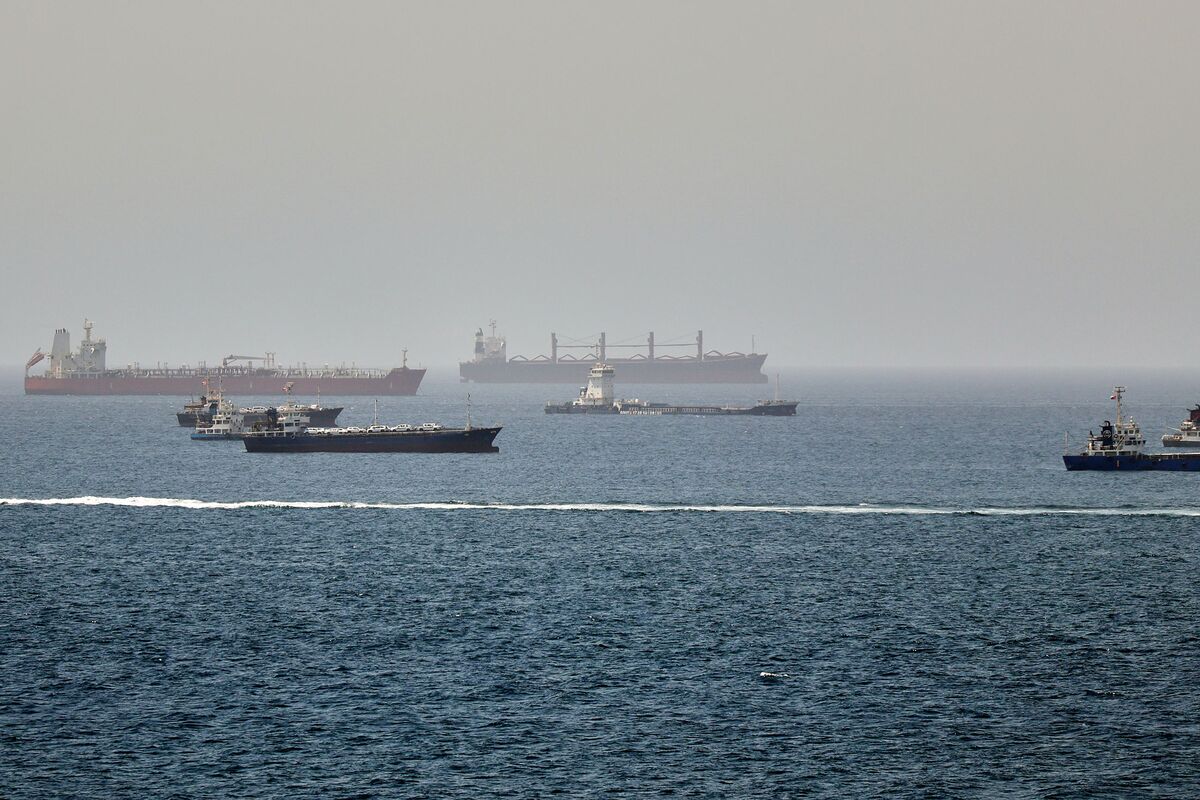
As the world anticipates the complete reopening of the Strait of Hormuz due to a recent interim peace agreement between Iran and the US, the United Arab Emirates (UAE) is actively pursuing an ambitious strategy to reduce its reliance on this vital maritime route.
Understanding the Strategic Importance of the Strait of Hormuz
The Strait of Hormuz is a crucial passageway for global oil shipments, with approximately 20% of the world’s petroleum traversing this narrow waterway. Situated between the Persian Gulf and the Gulf of Oman, it plays a vital role in international trade and energy security. Any disruption in this corridor can lead to significant fluctuations in oil prices and has far-reaching implications for the global economy. Therefore, nations in the region, including the UAE, are keenly aware of the potential impact that geopolitical tensions can have on this strategic conduit.
The UAE’s Vision for Diversifying Energy Routes
In light of the precarious nature of relying on the Strait of Hormuz, the UAE has devised a forward-thinking plan to establish alternative energy routes. This initiative aims to bolster the nation’s energy security and economic resilience. The UAE envisions a network of pipelines and transport facilities that would allow it to export its oil and gas through different passageways, thereby diminishing its vulnerability to any geopolitical instability surrounding the Strait. These projects are not only critical for boosting the UAE’s energy independence but also for positioning it as a key player in regional energy markets.
Investment in Infrastructure and Technology
To realistically achieve its ambitious goals, the UAE is channeling significant investments into infrastructure development and technological advancements. This includes the construction of new pipeline projects that would connect its oil fields directly to the Arabian Sea, bypassing the strait entirely. Additionally, the enhancement of port facilities and logistics capabilities is paramount to streamlining operations and ensuring that export activities remain uninterrupted, regardless of developments in the Strait of Hormuz. By embracing cutting-edge technology and comprehensive planning, the UAE aims to create a robust system that withstands external pressures.
Preparing for Geopolitical Challenges
Moreover, the UAE’s strategy extends beyond just diversifying energy routes; it also involves careful geopolitics. The nation is keen on fostering strong international relationships that can support its energy ambitions. By engaging with key global partners, the UAE is positioning itself to effectively navigate any potential disruptions to trade through the Strait of Hormuz. This multi-faceted approach not only secures the UAE’s energy resources but also stabilizes its economic landscape in an unpredictable global environment.
In conclusion, as the situation in the Strait of Hormuz evolves, the UAE’s proactive measures showcase its commitment to ensuring energy security and economic stability. By reducing dependence on this critical chokepoint, the UAE aims to solidify its status as a key player in the global energy market, while simultaneously safeguarding its national interests against potential geopolitical uncertainties. With strategic planning and investment, the UAE is setting the stage for a resilient energy future.