
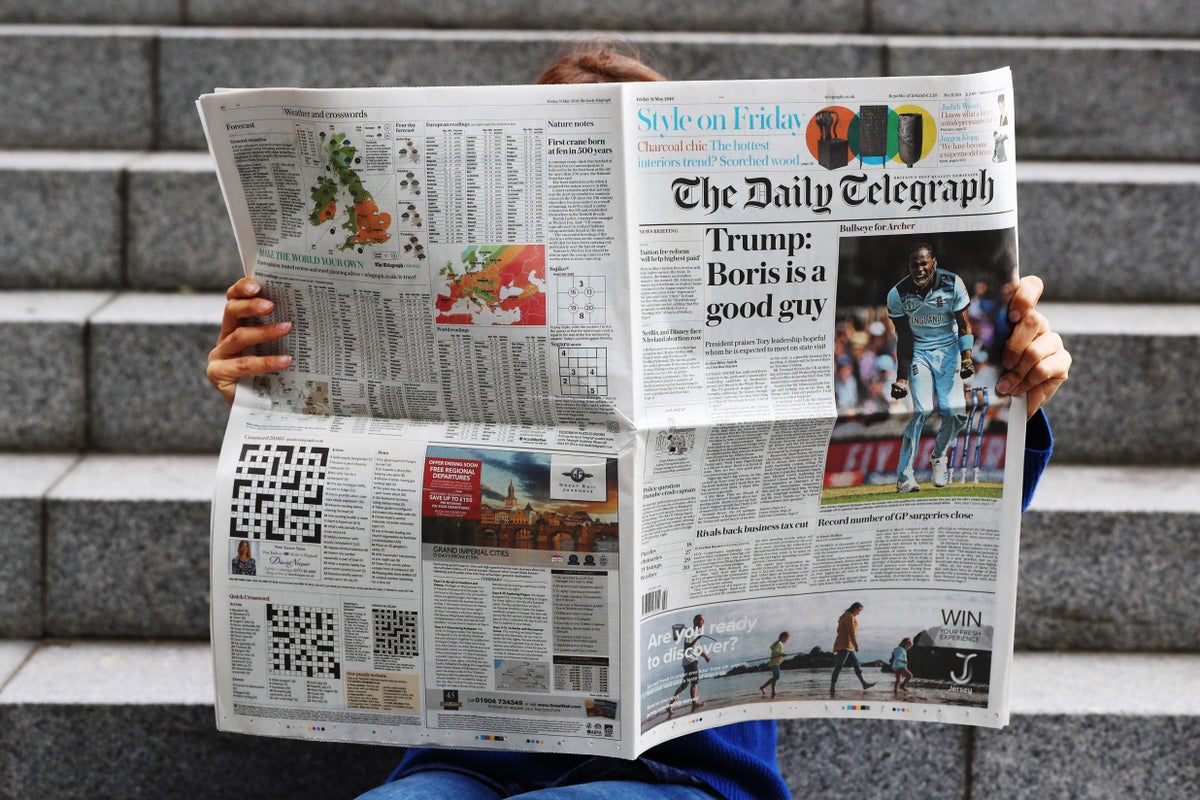
The recent collapse of a potential takeover of the Telegraph by a UAE-backed consortium has raised significant concerns regarding media freedom and expression. The British media regulatory bodies, including Ofcom and the Competition and Markets Authority (CMA), released their findings after a prolonged two-and-a-half year wait, highlighting potential threats to journalistic integrity emanating from foreign ownership.
Background of the Proposed Takeover
The effort by RedBird IMI to acquire the Telegraph Media Group stirred controversy due to its major stakeholder, Abu Dhabi’s International Media Investments (IMI). This entity is owned by Sheikh Mansour bin Zayed Al Nahyan, the UAE’s Vice President and the figure behind Manchester City Football Club. The tie between a Middle Eastern sovereign fund and a British news outlet sparked worries about the impact on editorial independence and the potential muddling of commercial interests with state agendas.
Regulatory Concerns and Findings
The Ofcom and CMA reports indicate that the potential ownership change posed risks to “free expression” essential for a healthy press environment. Specifically, Ofcom warned that the takeover could act against the public interest concerning the freedom to express diverse opinions in newspapers. Additionally, there were apprehensions about the deal’s ability to maintain the veracity of presented news, a cornerstone of responsible journalism.
In light of these concerns, the British government intervened by prohibiting foreign state ownership of domestic news outlets. This legislative change underscored the increasingly complex landscape of media ownership and its vast implications for public discourse.
Reactions from RedBird IMI
IMI responded vehemently, claiming that Ofcom’s evaluation failed to regard their bid realistically and composed its conclusions based on predetermined biases. An IMI spokesperson stated that the assessment conflated the private firm’s commercial ambitions with the political motives of a foreign nation. They argued that the review neglected legally binding assurances aimed at safeguarding the editorial freedom of the Telegraph, including an independent Editorial Trust with the power to oversee the editor-in-chief’s appointment.
Implications for the Future of Media Ownership
The abandonment of the takeover not only reflects the changing dynamics in media ownership but also emphasizes the critical role of regulatory bodies in protecting journalistic standards. Following the failed acquisition, the Telegraph and the Spectator magazine have recently come back under the ownership of German media conglomerate Axel Springer, which acquired the Telegraph for £575 million.
This episode serves as an essential reminder of the delicate balance between commercial interests and the foundational principles of free expression in the media landscape. The repositioning of ownership within significant media outlets speaks volumes about ongoing debates regarding the influence of foreign investments in domestic news platforms. As the media landscape continues to evolve, monitoring these developments will remain crucial for upholding the values of transparency and accountability.