
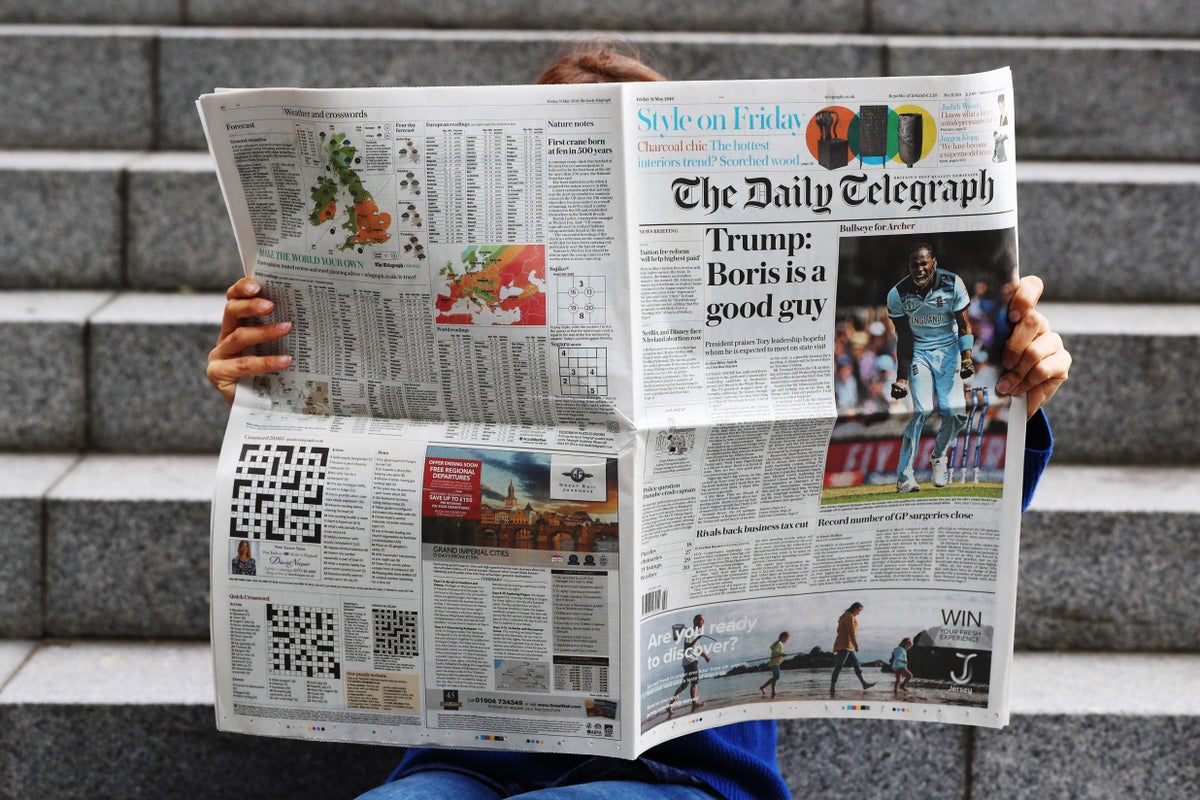
The halted acquisition of the Telegraph by a UAE-supported consortium has raised serious concerns about the potential impact on “free expression” within the media, according to findings from regulatory bodies. Released after an extensive wait of more than two years, reports from Ofcom and the Competition and Markets Authority (CMA) highlight significant issues surrounding the ownership of the Telegraph Media Group by RedBird IMI, which has close ties to the United Arab Emirates.
Concerns About Media Ownership
The reports detail apprehensions regarding the implications of such foreign ownership for the integrity of news coverage in the UK. The regulatory authorities expressed doubts about whether RedBird IMI could uphold the necessary standards for “free expression of opinion in newspapers.” These insights come against the backdrop of rising tensions between the UK and UAE, particularly following a ruling that found Manchester City Football Club, owned by the UAE’s Sheikh Mansour bin Zayed Al Nahyan, in violation of Premier League spending regulations.
Ofcom’s assessment suggests that the proposed takeover could significantly operate against the public interest, raising questions about how it might affect the accurate presentation of news. The regulator’s findings are particularly critical given the heightened scrutiny of foreign influence in British media, especially in light of current geopolitical dynamics.
IMI’s Rebuttal
In response to Ofcom’s findings, IMI has categorically rejected the conclusions drawn in the report. A spokesperson for the investment company asserted that the analysis was flawed, describing Ofcom’s methodology as biased. They argue that the regulator conflated the commercial interests of a private company with the actions of a foreign government. IMI maintained that it had placed legally binding commitments to ensure editorial independence at the Telegraph, which they claim Ofcom overlooked.
Specifically, IMI highlighted its promise not to influence editorial decisions, alongside the establishment of an independent Editorial Trust that would oversee critical personnel appointments. This rebuttal underscores IMI’s belief that the judgment on the proposed acquisition was not fact-based but rather focused on its origin, damaging its reputation as an independent entity.
The Implications for Future Acquisitions
Ultimately, the proposed acquisition was withdrawn in 2024 after the UK Government tightened restrictions on foreign ownership of media outlets. This policy shift followed the comprehensive analyses provided by Ofcom and the CMA, aimed at safeguarding the integrity of British journalism. The reports indicate that concerns over foreign ownership in media remain a pivotal issue, leading regulators to seek ways to ensure the editorial freedom of British newspapers.
In the wake of these developments, German media giant Axel Springer acquired the Telegraph for £575 million after a prolonged search for a suitable owner. This transaction represents a significant shift in the landscape of UK media ownership, illustrating ongoing challenges in maintaining the delicate balance between investment and editorial independence.
These events also highlight the need for robust regulations that ensure the free expression within the press remains unencumbered by foreign influence. As discussions around media ownership continue, the focus will likely remain on how best to maintain journalistic integrity while navigating the commercial interests that underpin media enterprises.