
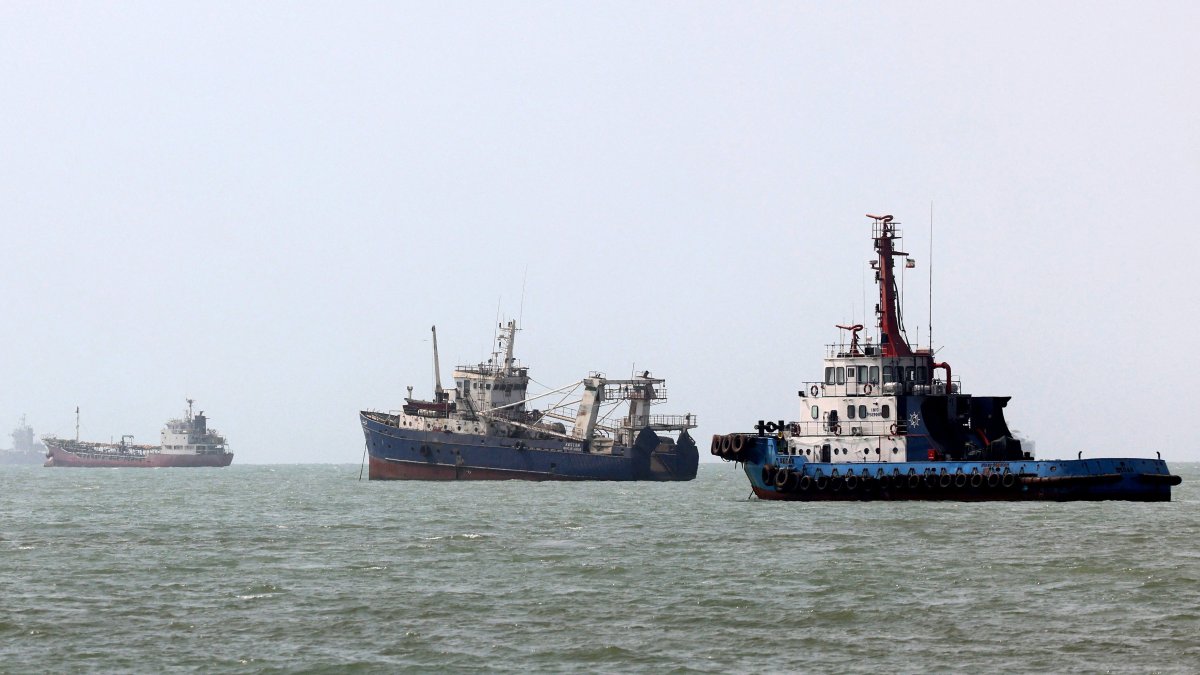
The recent tensions in the Strait of Hormuz have heightened concerns about maritime security and global energy stability. The United Arab Emirates has raised serious accusations against Iran, claiming that Iranian forces targeted two vessels associated with the Abu Dhabi National Oil Company (ADNOC) as they navigated this crucial shipping route. This incident underscores the fragile geopolitical situation in the region, especially given the importance of the strait in worldwide energy logistics.
Details of the Attack
On Thursday night, ADNOC’s ships were reportedly attacked, eliciting a swift response from the UAE Ministry of Foreign Affairs. The ministry characterized the incidents as blatant acts of piracy orchestrated by the Iranian Revolutionary Guard. Fortunately, no injuries were reported during this latest attack, although previous incidents have turned deadly. For instance, in July, two UAE oil tankers came under fire from Iranian cruise missiles, resulting in the tragic death of an Indian crew member along with several others injured.
The UAE’s condemnation of these acts was unequivocal, stating that such actions pose a significant danger to both regional stability and the overall security of global energy supplies. Their strong stance highlights the ongoing risks in the Strait of Hormuz, a critical passage for a substantial portion of the world’s oil and liquefied natural gas (LNG).
The Broader Implications
The accusations against Iran reflect ongoing hostilities that could have profound implications for energy markets around the globe. Industry experts, like Andrew Lipow of Lipow Oil Associates, have commented on the repercussions of these attacks, noting that crude oil prices remain high. Current market conditions show crude trading around $80 a barrel; however, diesel and gasoline prices are significantly elevated, causing concern for consumers.
With approximately 21% of the world’s oil consumption passing through this strait, any disruption could lead to price spikes and instability in energy supplies. Analysts suggest that the situation calls for urgent diplomatic efforts, particularly as Iran and Oman are engaging in discussions regarding navigation through this vital maritime artery.
Responses and Future Dynamics
Currently, Iran has not publicly responded to the allegations from the UAE. This silence might indicate a strategic approach while the Iranian leadership likely evaluates the ramifications of a potential response. The international community is closely monitoring these developments, as any miscalculation could escalate tensions further.
In conclusion, as the UAE and Iran continue to navigate this volatile landscape, the world remains on alert for possible escalations that might disrupt not only regional peace but also global energy markets. With negotiation efforts underway, the hope is for a resolution that ensures safe passage through the Strait of Hormuz, thereby safeguarding energy supplies critical to economies worldwide. Continued vigilance will be necessary as these nations work towards a diplomatic solution while balancing their complex geopolitical interests.