
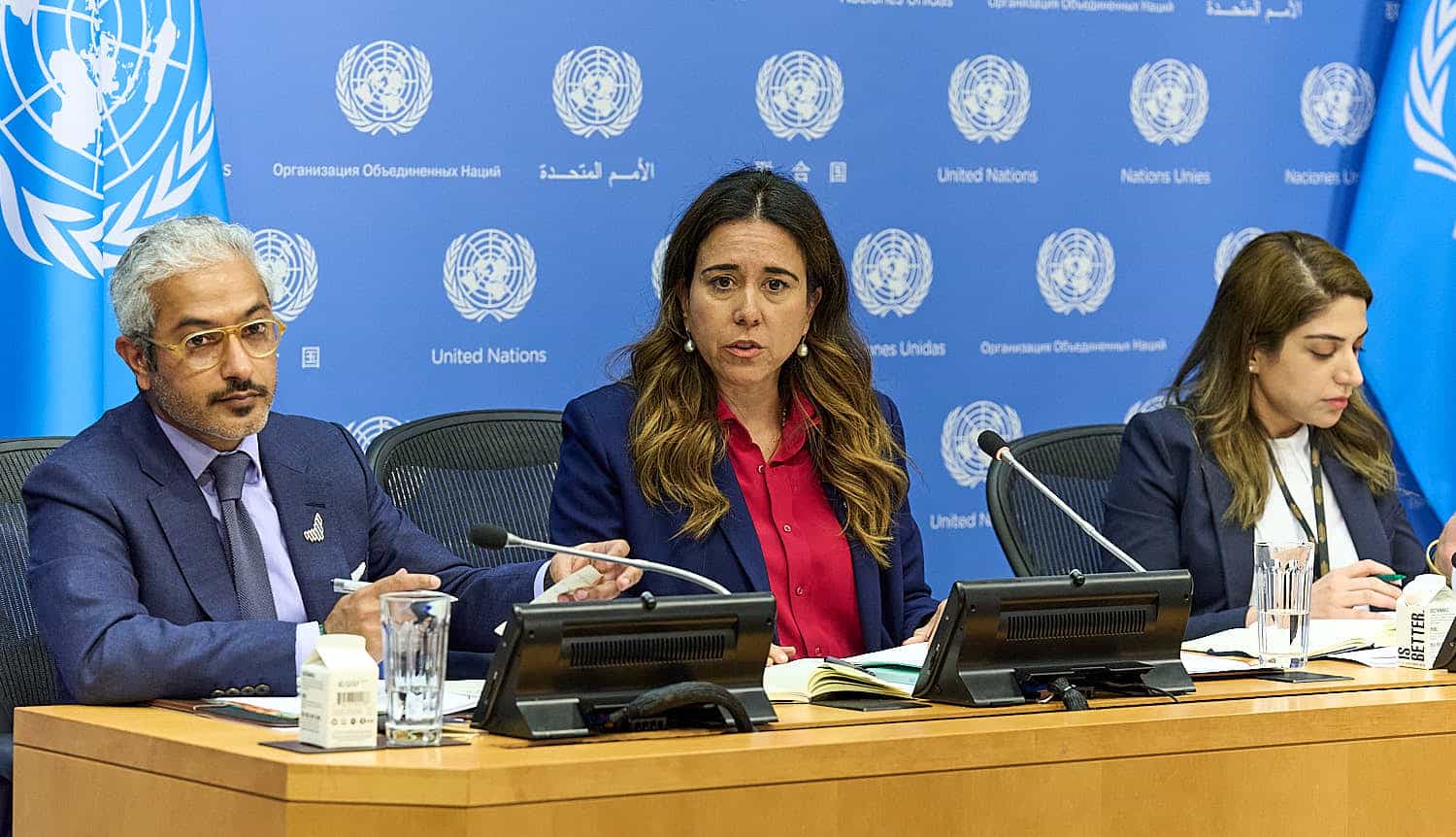
The recent candidacy of the United Arab Emirates (UAE) for a prominent United Nations position is generating substantial buzz in international circles. This initiative directly seeks to position the UAE as a vital player on the global stage. However, its record of human rights abuses and controversial international policies loom large, raising questions about how these issues will be addressed during the nomination process.
The UAE’s Global Aspirations
The UAE has been striving to enhance its diplomatic presence worldwide, aiming to position itself as a leader in various global forums. In recent years, it has invested strategically in economic and diplomatic initiatives, from hosting international summits to engaging in significant bilateral agreements. This ambition reflects the nation’s desire not merely to be a participant in global discussions but to influence key international issues. However, the challenges posed by its contentious foreign relations and internal governance issues could overshadow its aspirations, especially during critical evaluations like those at the United Nations.
Human Rights and International Scrutiny
One of the most pressing critiques facing the UAE is its human rights record, which has been under international scrutiny. Reports indicate widespread violations, including suppression of free speech and the persecution of dissidents. Human rights organizations have been particularly vocal about the treatment of activists and the lack of legal recourse for those who oppose the government. With global focus on such violations, the UAE’s candidate must prepare to confront these allegations head-on, offering explanations and showcasing any reforms that have taken place to improve the situation.
Foreign Policy Challenges
Additionally, the UAE’s role in various regional conflicts has raised eyebrows. Its involvement in the Yemeni Civil War and alliances with contentious entities like the Syrian government are notable aspects that could draw criticism during candidacy evaluations. This foreign policy, often viewed through a lens of pragmatism, complicates the narrative that the UAE would like to project as a peace-promoting nation. As the candidate prepares for discussions, how they plan to navigate these ingrained controversies will be crucial in shaping their chances of success.
Strategic Communication as a Tool
To mitigate the potential fallout from its controversial practices, the UAE must adopt a strategic communication approach that emphasizes its commitment to reform and constructive involvement in international issues. Engaging proactively with global leaders and human rights advocates will be essential to countering negative perceptions. The candidate may focus on highlighting initiatives aimed at social and economic reform while simultaneously reinforcing the UAE’s role in global stability efforts. Achieving a balance between defending its past actions and promoting a more reformist narrative will be vital for the UAE in this politically sensitive arena.
In conclusion, while the UAE aspires to elevate its stature within the United Nations through its candidacy, the journey ahead is fraught with challenges. Acknowledging and addressing its controversies will be imperative if the nation hopes to transition from being viewed as a contentious actor to a respected contributor on the world stage. How these complexities unfold will not only shape the narrative around the UAE but might also influence broader discussions about governance and accountability in the region. This pivotal moment stands as a litmus test for the nation, reflecting whether it can align its aspirations with a commitment to improved practices in human rights and foreign policy.