
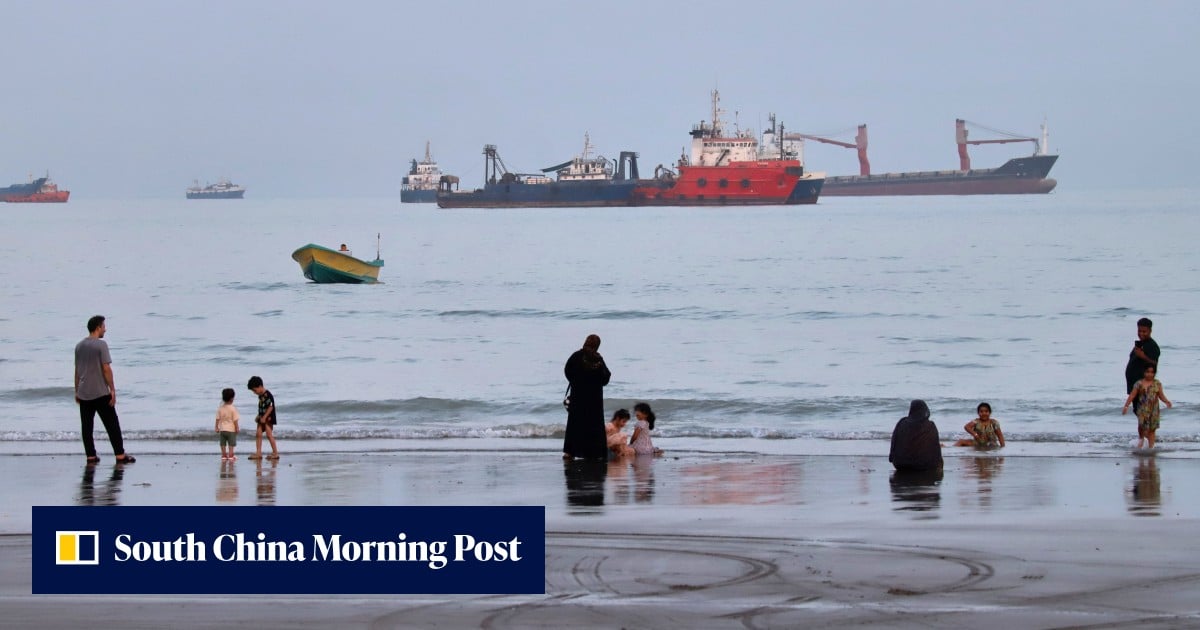
On Saturday, the United Arab Emirates reported that Iran targeted a tanker belonging to the state-owned Abu Dhabi National Oil Company (ADNOC) while it was navigating through the Strait of Hormuz. This incident underscores the continued tensions in a vital shipping route that has become a focal point of geopolitical conflict in recent months.
Iran’s Actions in the Strait of Hormuz
The Iranian government has effectively imposed a blockade on the Strait of Hormuz and is attempting to impose tolls on vessels passing through this critical waterway. Such actions have been met with strong opposition from the United States, which seeks to keep international shipping lanes open. Discussions are ongoing between Washington and Oman regarding potential arrangements for the management of the strait to ensure freedom of navigation and regional stability.
In an official statement, the UAE’s foreign ministry condemned what it characterized as a “hostile Iranian attack” on the ADNOC tanker, which occurred without resulting in casualties. The UAE is concerned about the growing tensions and threats to oil transportation in this strategic region. The situation has escalated significantly, with ADNOC reporting that since the beginning of recent hostilities, 15 of its vessels have been attacked in the region, including three incidents within just the past week.
Impact on Global Oil Supply
The Strait of Hormuz is critical for global energy supplies, as it typically handles about one-fifth of the world’s oil and liquefied natural gas shipments. The escalation of conflicts and attacks on maritime vessels here could have serious consequences for energy markets, affecting prices and availability around the globe. The region’s instability further exacerbates concerns among oil-importing nations, many of whom are highly reliant on this passage for their energy needs.
The backdrop to these events includes the recent military actions between the U.S. and Israel, which have rekindled regional hostilities. The tension in the Strait of Hormuz represents one of the most sensitive areas for international shipping and trade, prompting each nation to carefully consider their strategic responses. As Iran pursues its objectives, the potential for significant disruptions to oil supply chains remains a pressing concern for energy markets worldwide.
Future Prospects for the Strait of Hormuz
Iranian Foreign Minister Abbas Araghchi indicated that discussions with Oman regarding the status and management of the strait are nearing completion. However, he tempered expectations by stating that these negotiations do not signify the imminent reopening of the Strait of Hormuz to unfettered commercial traffic. The geopolitical climate remains complex, and while dialogue continues, the risk of further hostilities cannot be overlooked.
In sum, the incidents in the Strait of Hormuz reflect escalating tensions between Iran and neighboring nations, particularly as they relate to oil transport and security in a region of vital economic importance. As the situation develops, the international community will remain vigilant, understanding that stability in this region is crucial not just for the Middle East but for global energy security as well.