
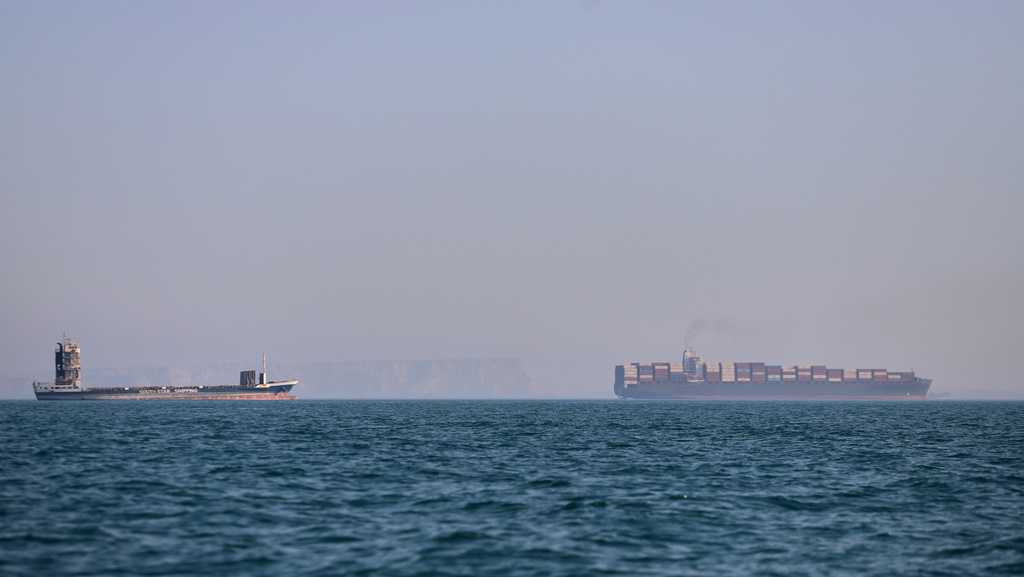
On Monday, the United Arab Emirates’ air force successfully intercepted an Iranian drone over its territorial waters. This incident comes on the heels of escalating tensions between the U.S. and Iran, marked by exchanges of gunfire over the weekend. Such developments highlight the complex dynamics at play in the region, raising concerns about security and international relations.
Recent Escalations in U.S.-Iran Relations
The exchange of fire between U.S. and Iranian forces over the weekend has deepened apprehensions regarding military confrontations in the Middle East. This clash appears to be part of a larger pattern of rising animosity, which has implications not only for the nations involved but also for broader regional stability. The U.S. has consistently expressed its commitment to safeguarding its interests and allies in the area, heightening vigilance and readiness among its military forces.
The Role of the UAE in Regional Security
The United Arab Emirates plays a pivotal role in maintaining security within the Gulf region. By intercepting the Iranian drone, the UAE demonstrates its proactive approach to potential threats, reflecting its commitment to safeguarding its national sovereignty and the safety of its maritime spaces. This interception underscores the importance of cooperative defense measures among Gulf states, particularly as tensions with Iran continue to escalate. Furthermore, the UAE’s actions align with its broader strategy of fostering regional alliances to counter any threats.
Implications for Global Security
The ongoing skirmishes and military activities highlight broader implications for global security strategies. Nations across the world closely monitor these developments, understanding that instability in the Gulf can lead to significant repercussions beyond regional borders. The potential for conflict escalation necessitates a diplomatic approach to managing tensions. Countries are urged to engage in dialogue and negotiations to avert further confrontations and to promote mutual respect and understanding.
Conclusion: The Path Forward
As the situation unfolds, the need for diplomatic intervention becomes increasingly critical in averting further conflict. The interception of the Iranian drone by the UAE’s air force is a reminder of the fragile balance in the Gulf region. Coordinated efforts are essential for establishing peace and security, allowing nations to navigate the complexities of international relations while prioritizing the collective stability of the region. Enhanced communication, bilateral collaborations, and multilateral forums could pave the way for de-escalating tensions and fostering a safer environment for all nations involved.