
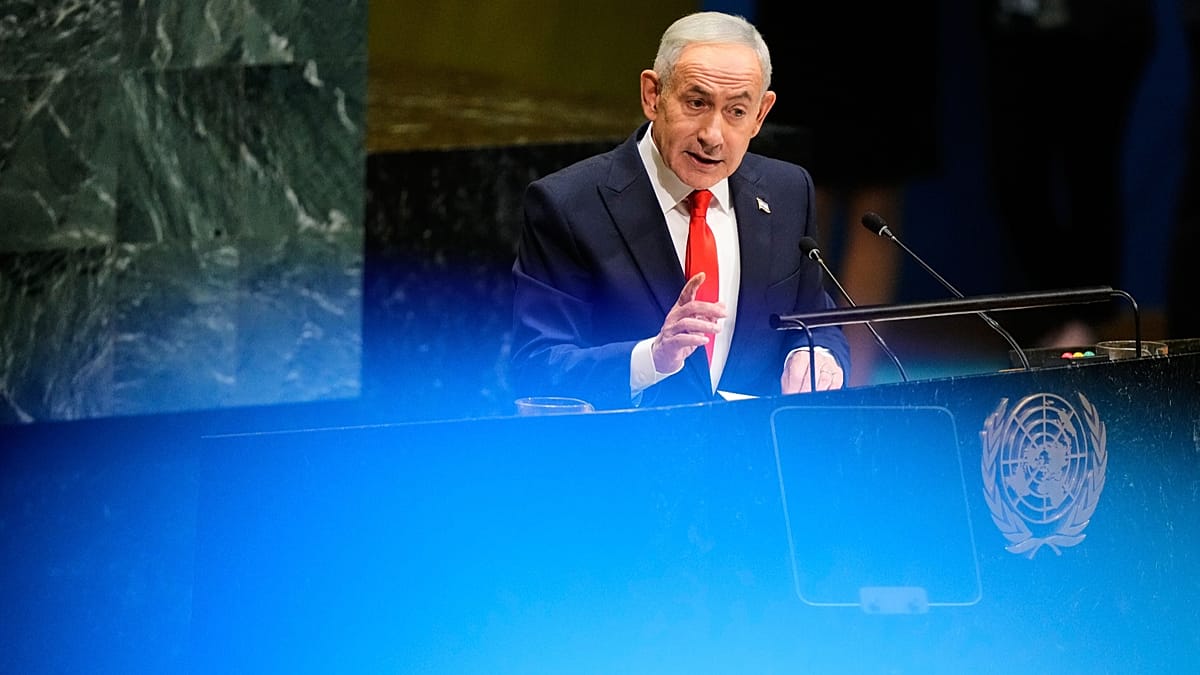
On Sunday, the President of the United Arab Emirates, Mohamed bin Zayed Al Nahyan, held a significant meeting with Israeli Prime Minister Benjamin Netanyahu in the UAE, as reported by the official news agency WAM. This encounter marks an important development in the diplomatic relations between the two nations, particularly as Abu Dhabi has now publicly acknowledged the meeting.
Strengthening Bilateral Relations
The main topic of discussion during their meeting was the enhancement of bilateral relations between the UAE and Israel. According to the brief announcement issued after the meeting, leaders from both sides explored various ways to reinforce and develop their existing ties. Following the meeting, Israel confirmed that the discussions also covered pressing regional challenges, including the ongoing conflict with Iran. Such engagements reflect the growing political and economic collaboration between the two countries.
Recent reports indicate that Netanyahu’s visit to the UAE was motivated in part by a previous warning allegedly issued by the Emirati President prior to a Hamas-led attack on Israel on October 7, 2023. Although Netanyahu has denied these claims, the incident underscores the complexities and high stakes of the relationships in this region. The meeting appeared to serve as a platform for Netanyahu to request Sheikh Mohamed to officially refute the warning narrative.
Regional Dynamics and Collaborations
The implications of this meeting extend beyond Israel and the UAE. During the visit, it was noted that Netanyahu also engaged with officials from various Gulf nations, despite Israel lacking formal diplomatic relations with many of them. Reports suggest that several military and government aircraft from neighboring states, including Libya and Morocco, landed in Abu Dhabi while Netanyahu was present. This further emphasizes the intricate web of regional alliances forming around shared security interests.
Additionally, it was revealed that delegations from countries such as Morocco, Libya, Jordan, and Qatar were reportedly involved in the discussions. These collaborations indicate a shifting geopolitical landscape in the Middle East, with countries increasingly finding common ground amid shared security concerns and economic collaboration opportunities.
Security Concerns and Media Scrutiny
While Netanyahu’s historical ties with the UAE can be traced back to the signing of the Abraham Accords in 2020, this recent meeting was shrouded in controversy. Before the official confirmation of the trip, Israel’s domestic security service lodged a complaint against a media channel that leaked details of the visit. They argued that the premature publication of this sensitive information jeopardized the safety of the Prime Minister and his delegation, which included high-ranking security officials.
Mossad, Israel’s intelligence agency, expressed similar concerns, emphasizing the need for stricter adherence to media censorship in matters of national security. The backlash reveals the delicate balance that leaders in the region must maintain, especially when national security and diplomatic relations are intertwined.
Overall, the unfolding narrative of relations between Israel and the UAE suggests a gradual yet notable shift towards more open dialogue among Middle Eastern countries, particularly concerning mutual security challenges and economic cooperation. Such developments reinforce the significance of diplomacy in addressing prevalent issues within the region. As the global eye remains on these evolving relationships, the potential for deeper collaboration continues to grow, shaping the future of Middle Eastern diplomacy.