
Tensions are escalating in the strategic Strait of Hormuz, a vital waterway for global oil shipments. Recent attacks have heightened hostilities between the United States and Iran, leading to severe diplomatic and military responses.
Attack on Tankers and Immediate Aftermath
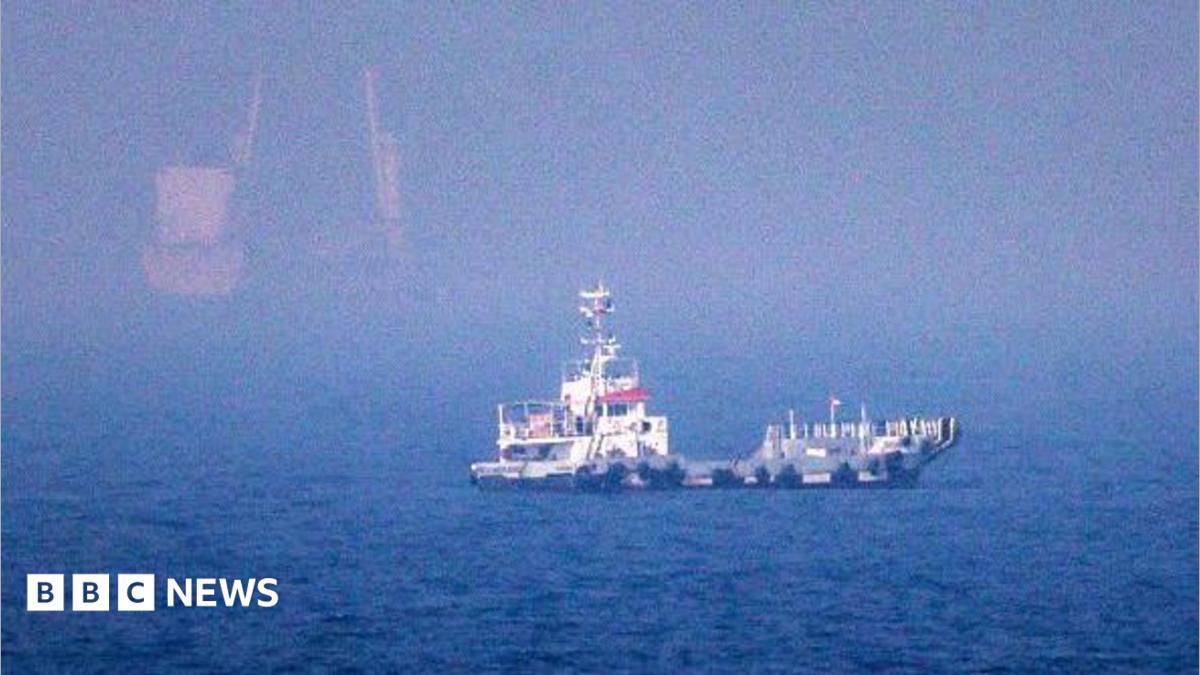
On Monday, the United Arab Emirates accused Iran of a “brazen” assault on two national tankers in the Strait of Hormuz. This incident resulted in the death of one crew member and injuries to eight others, four of whom are in critical condition. This marks a significant turning point in the ongoing conflict, with the UAE’s Ministry of Defense labeling the strike as a “serious violation” of international law. The Iranian military, through its Islamic Revolutionary Guard Corps (IRGC), claimed responsibility, asserting that the tankers disregarded warnings and turned off their navigation systems before attempting to traverse a mined area, which they stated justified their actions.
U.S. Response and Naval Blockade Announcement
In response to the escalating violence, U.S. President Donald Trump announced a naval blockade of Iranian ports, introducing a 20% charge on all cargo shipped through the Strait of Hormuz. Trump stated that the U.S. would take a firm stance against Iran, aiming to “hit them very hard.” This blockade is set to take effect from a specified hour, allowing for continued maritime traffic for vessels not violating the new regulations. The president emphasized this initiative as a means to safeguard not just U.S. interests, but also those of allied nations reliant on the strait for oil transport.
The direct implications of this blockade may affect global oil markets. Oil prices saw a rise following the announcement, as concerns about supply disruptions loom large. Brent crude prices jumped by over 9% on the day of the incident, indicating investor anxiety about potential escalations in the region.
Iran’s Standpoint and Regional Security Concerns
Iran’s foreign minister responded strongly to Trump’s blockade announcement, asserting that Iran would continue to serve as the “guardian” of the Strait of Hormuz. Abbas Araghchi criticized the proposed 20% charge, although he acknowledged the need for compensation for ensuring safe passage. He reiterated that Iran’s commitment to safeguarding the strait is unwavering, which adds a layer of complexity to diplomatic efforts aimed at de-escalating tensions.
Moreover, both nations are at risk of entering a dangerous spiral of military engagement that could destabilize the entire Middle East. The conflict jeopardizes ongoing peace talks and diplomatic efforts aimed at reaching a resolution. Trump’s assertion that a deal may still be possible hangs in the balance as military operations intensify.
The Broader Impact and Future Prospects
The standoff in the Strait of Hormuz represents a critical flashpoint for both U.S. and Iranian interests. Central Command has hinted at a persistent military presence in the region to defend against potential threats to commercial shipping. The Iranian military has threatened to retaliate, following U.S. strikes targeting military assets within Iran itself.
As the situation develops, global markets are bracing for instability. The potential for an energy crisis looms, particularly if the U.S.-Iran tensions escalate further. As both sides exchange rhetoric and military actions, it remains uncertain whether peaceful diplomacy can prevail. The coming days will be crucial in determining the trajectory of this conflict and its implications for regional security and international oil markets.