
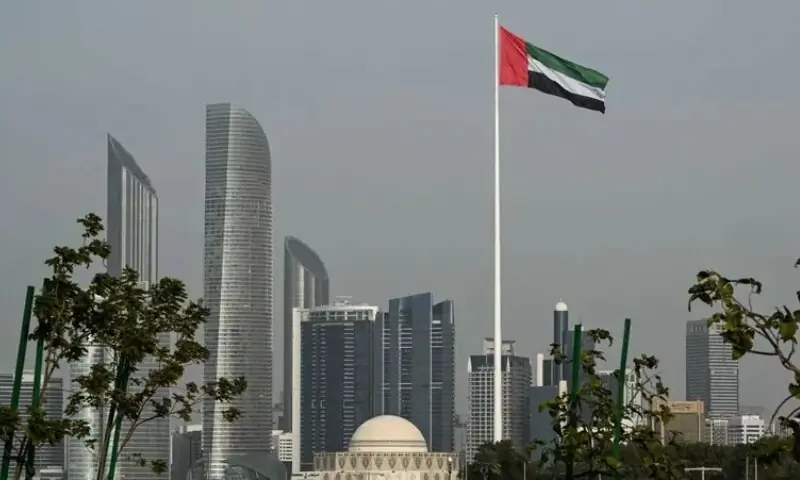
Pakistanis in the UAE: Recent Deportations and Claims of Targeting
In a recent Senate session, Parliamentary Affairs Minister Tariq Fazal Chaudhry addressed concerns regarding the deportation of Pakistani nationals from the United Arab Emirates (UAE). The minister stated that the UAE had deported approximately 3,494 Pakistanis between January and April of this year, yet he emphasized that there is no substantiated evidence indicating that Pakistanis are being actively singled out for such actions in the Gulf state.
Clarification on Deportations
Responding to an inquiry raised by opposition leaders in the Senate, Minister Chaudhry explained that those who were deported often included individuals involved in criminal activities as well as others who were sent back due to administrative measures enforced by UAE authorities. He argued that these deportations should not be construed as discriminatory against Pakistanis, particularly given that there are over two million Pakistanis residing in the UAE.
Chaudhry asserted that the UAE, as a sovereign nation, operates under its distinct laws and regulations, which have undergone modifications in light of ongoing geopolitical tensions—specifically referencing the Iran-US conflict. He characterized claims of systemic victimization against Pakistani citizens as “mala fide propaganda,” suggesting that such narratives may be exaggerated or entirely unfounded.
Opposition Concerns and Claims
The opposition leader Raja Nasir Abbas brought forth additional arguments, stating that numerous Pakistanis had been forcefully deported while leaving their assets and finances stranded in UAE banks. Abbas’s claims included a list of approximately 2,000 Pakistanis he alleges were deported under dubious circumstances. He maintained that many individuals had experienced imprisonment while in the UAE, further fueling calls for greater accountability and transparency.
In light of these serious allegations, Senator Sherry Rehman, who presided over the Senate session, referred the issue to the foreign affairs committee. She labeled it a delicate matter and proposed that discussions take place in an in-camera meeting to ensure confidentiality and sensitivity.
Government Spending on Media and Broader Issues
In a different context, the Senate was informed that the federal government had allocated over Rs6 billion for advertisements in both print and electronic media from 2022 to 2025. The breakdown indicated that print media received more than Rs385 million, while electronic platforms were allocated approximately Rs5.66 billion during this span. This expenditure raises questions regarding media influence and government communication strategies amid ongoing political turmoil.
Further tensions surfaced within the Senate as senators from the PTI protested the government’s restrictions on family visits and meetings with jailed former party leader Imran Khan. They expressed discontent over these limitations, which they deemed unjust, particularly given the context of ongoing protests.
The parliamentary affairs minister reiterated the government’s commitment to ensuring security while managing such protests, asserting that any restrictions were necessitated by precautionary measures rather than a blanket refusal to grant access to anyone entering Islamabad.
In conclusion, the issue of Pakistani deportations from the UAE raises complex questions surrounding nationality, legal protocols, and international relations. As accusations of discrimination continue to circulate, both the Pakistani government and UAE authorities must navigate these criticisms while maintaining the integrity of their respective legal frameworks and ensuring the rights of their citizens abroad.