
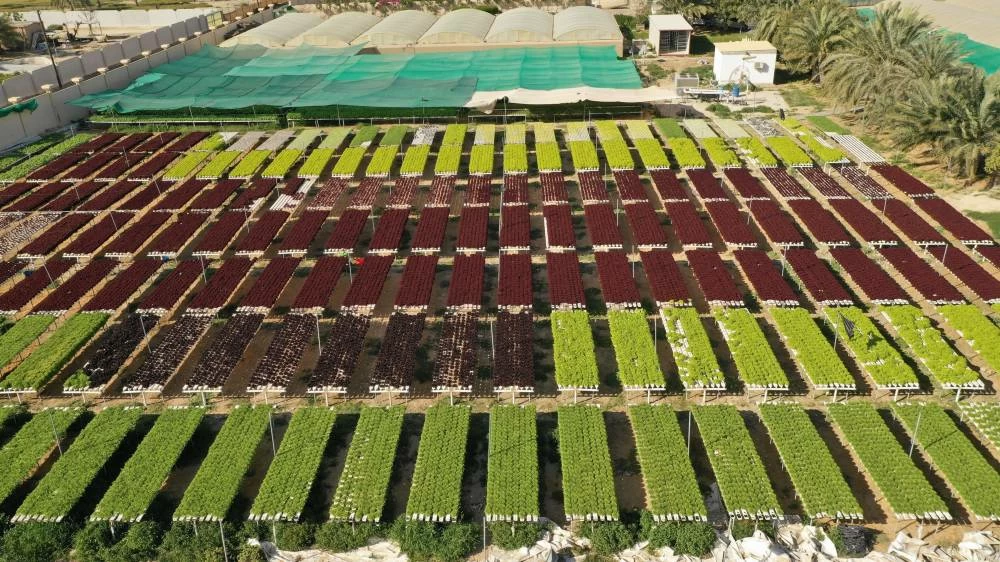
The UAE is actively developing a robust production ecosystem designed to enhance its competitive edge in the global market. With initiatives ranging from a Dh1 billion Industrial Resilience Fund to aluminium recycling and the UAE GAP farm certification, this strategic approach aims to ensure sustainability and resilience across various sectors.
Strengthening Domestic Production
The UAE is committed to fostering an integrated ecosystem that links domestic production with innovation, technology, and global supply chains. This comprehensive approach encompasses the entire production cycle—from agriculture and food production to advanced manufacturing and exports. The government is focused on directing institutional demand toward priority national products, thus creating a fertile environment for local businesses.
In April, a significant step was taken when the Cabinet approved the National Project for the Protection of Geographically Defined Products. This initiative aims to identify and safeguard agricultural and industrial products whose quality and reputation are tied to specific regions within the UAE. Moreover, the newly adopted policy seeks to increase the availability of national products across retail and digital channels, facilitating greater manufacturer access to essential supply chains.
Enhancing Agricultural Standards
In the agricultural sector, initiatives led by the National Agriculture Centre and the Abu Dhabi Agriculture and Food Safety Authority are redefining local production standards. The National Project for UAE Good Agricultural Practices (UAE GAP) aims for 80 percent of local farms to achieve certification, allowing them to access new markets and improve overall quality.
Additionally, the National Agricultural Initiative for Climate-Smart Crops seeks to diversify the national food supply while reducing import dependence. Another significant effort is the Sustainable Product initiative, which aims to increase the share of locally produced agricultural and livestock items utilized by restaurants and hotels to 25 percent. These efforts highlight the UAE’s commitment to enhancing food security and promoting sustainable practices.
Investing in Industrial Resilience
On the industrial front, the government has launched a Dh1 billion National Industrial Resilience Fund. This fund is designed to support the localization of crucial industries, bolster supply chain resilience, and accelerate the adoption of artificial intelligence in production and planning processes. Furthermore, the expansion of the National In-Country Value Programme is making its application mandatory in specific sectors. This initiative naturally guides government and institutional demand toward national products, thus strengthening their role within supply chains.
The Make it in the Emirates platform plays a pivotal role in connecting investors, manufacturers, and industry leaders, highlighting domestic production and investment opportunities. Similarly, ADNOC’s Local+ initiative prioritizes UAE-manufactured products across various projects, thereby reinforcing local businesses.
Future Prospects and Global Integration
In a bid to retain more economic value within the country, the UAE has inaugurated its largest aluminium recycling plant, the Al Taweelah plant in Abu Dhabi. This facility processes up to 185,000 tonnes of aluminium scrap annually into high-quality, lower-carbon products, showcasing the nation’s commitment to sustainable manufacturing.
Furthermore, the Ministry of Industry and Advanced Technology’s Factory Forward UAE initiative consolidates various industrial technology transformation programs into one cohesive framework. With over 700 factories supported and more than 620 assessed through the Industrial Technology Transformation Index (ITTI), these programs reflect a concerted effort to elevate the manufacturing landscape.
As the UAE continues to strengthen its domestic production capabilities, it is simultaneously fostering international investments and partnerships. These initiatives aim to connect national competencies with global markets, ultimately positioning the UAE as a formidable player in international value chains. Collectively, these strategies illustrate the UAE’s commitment to building a competitive and technologically advanced production base that can meet local demand while appealing to the global marketplace.