
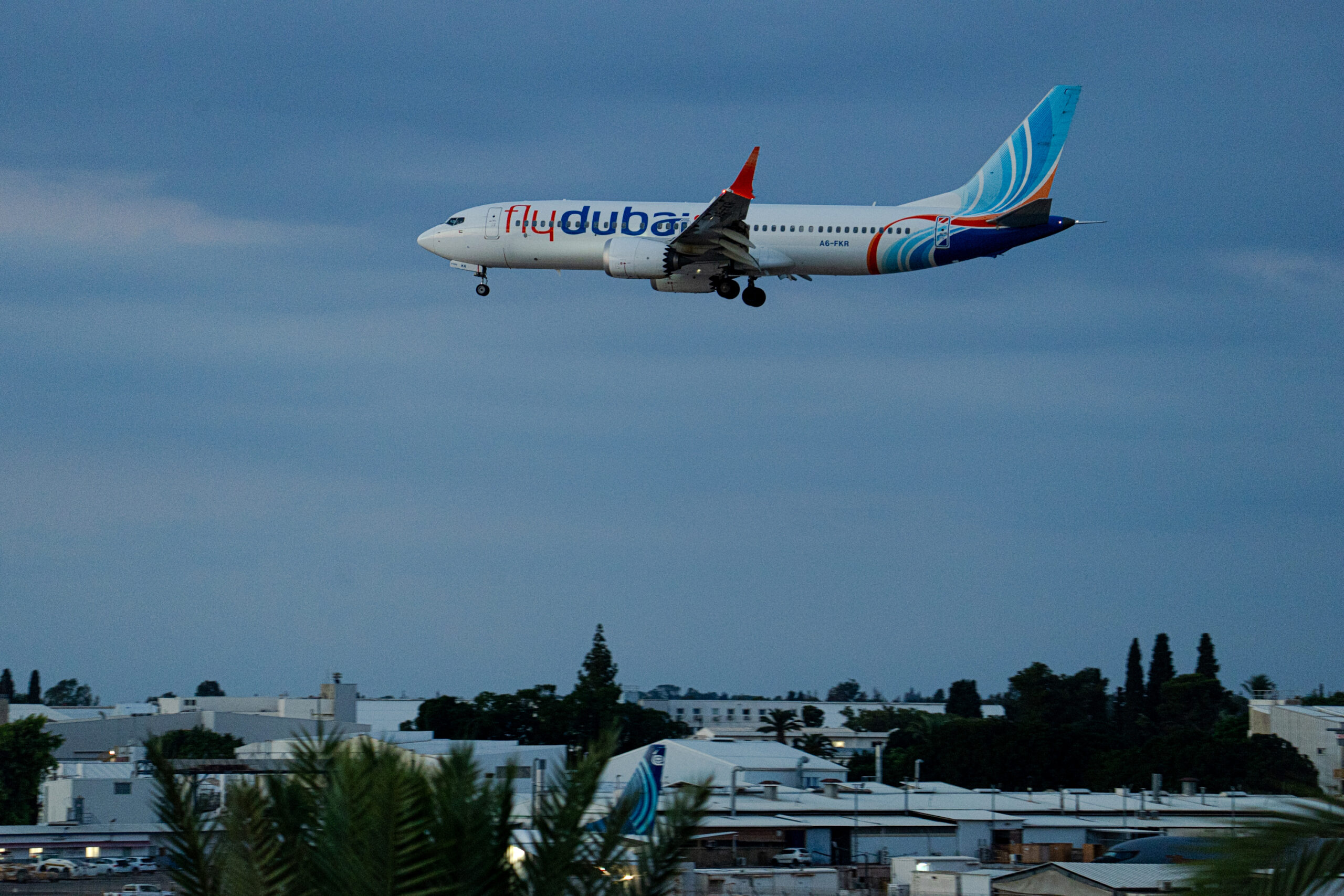
A recent investigation by the United Arab Emirates into a potentially disastrous FlyDubai flight has revealed shocking details. The inquiry suggests that the co-pilot was attempting to carry out a terrorist act, as new information about the cockpit incident comes to light.
### Attack Details and Co-Pilot’s Actions
The co-pilot reportedly used a crash axe during an attack on the pilot while the aircraft was en route to Tel Aviv, according to UAE federal prosecutor Hamad Al Shamsi. He stated that the co-pilot, identified as Hamam al-Hammami, an Omani national, attempted to seize control of the aircraft. This disturbing incident raises questions not only about the actions of the co-pilot but also about broader security protocols on commercial flights.
Israeli Prime Minister Benjamin Netanyahu confirmed that the co-pilot was from Oman, despite the lack of official confirmation from either FlyDubai or the UAE government. The relationship between Oman and Israel is contentious, as these nations do not maintain formal diplomatic ties, which complicates the situation further. Israeli Transportation Minister Miriam Regev referred to the co-pilot’s actions as “a clear breach of the agreement,” prompting the national security agency Shin Bet to launch an investigation.
### Investigation and Motives
As the investigation unfolds, many questions remain unanswered. Israeli Foreign Minister Gideon Sa’ar commented on the uncertainty surrounding the co-pilot’s motivations and whether he had held any other citizenship. Sa’ar suggested that the co-pilot’s goal may have been to harm relations between Israel and the UAE, making the investigation crucial in determining any overarching motives.
UAE authorities indicated that their investigation into Flight FZ1073 aims to uncover potential connections to extremist groups or other parties. Hamad Al Shamsi stated that they are conducting both technical examinations of physical evidence and digital forensics. The weapon used in this attempt is particularly noteworthy; while initial reports suggested it was a pocket knife, confirmation that it was a crash axe—as standard safety equipment—has raised additional concerns about pre-flight security measures.
### Emergency Landing and Previous Concerns
The Boeing Co. 737 Max, carrying over 170 passengers, made an emergency landing at Prince Sultan bin Abdulaziz Airport, narrowly avoiding disaster after experiencing a severe drop in altitude. The two pilots involved were transferred for questioning following the incident. According to reports from the Wall Street Journal, the co-pilot had previously been banned from flying in Oman due to concerns about his radical ideological views, making this incident even more alarming.
The case highlights critical issues related to aviation security and the need for stringent checks for airline personnel. As investigations continue, both UAE and Israeli authorities aim to ensure the safety of air travel and prevent similar occurrences in the future.
With heightened concerns about security in international air travel, this incident serves as a reminder of the ongoing risks and challenges faced by airlines. The world is watching closely as the investigation unfolds, revealing the complexities of international relations, security protocols, and the safety of passengers aboard commercial flights.