
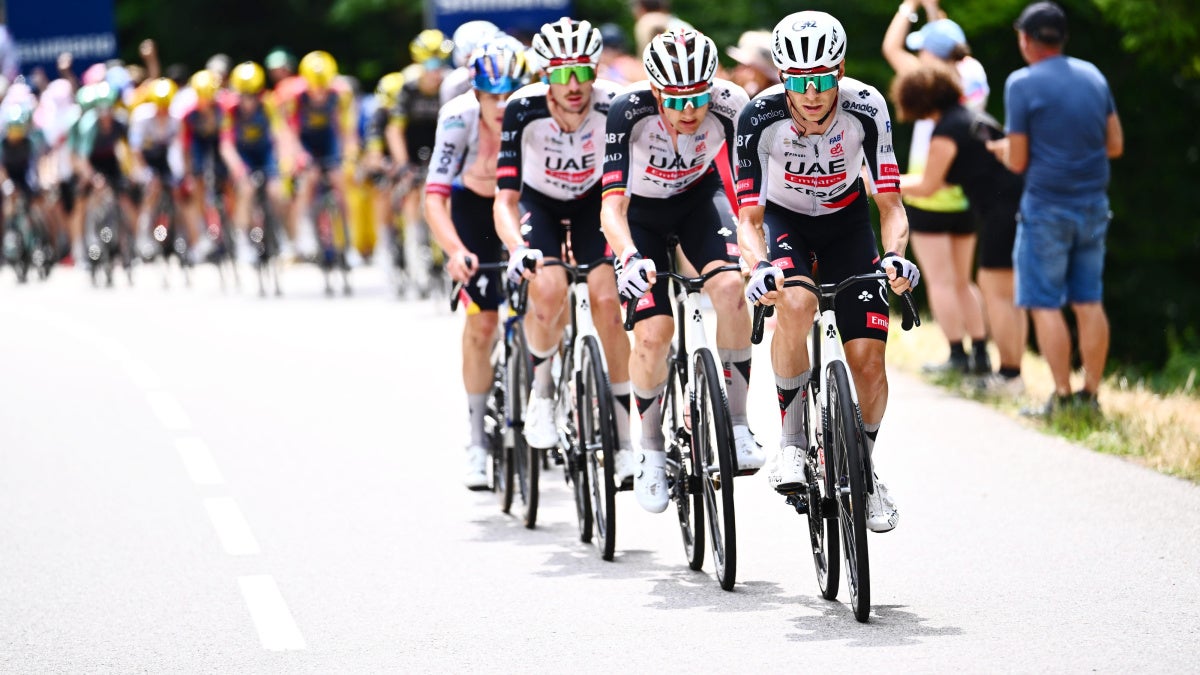
The United Arab Emirates (UAE) has gained significant attention in recent years for its extensive investments in sports, particularly in cycling. However, the Emirates-XRG cycling team is at the forefront of a potentially troubling trend known as “sportswashing,” where nations attempt to enhance their global image through sporting events while obscuring their human rights violations.
The Phenomenon of Sportswashing
“Sportswashing” refers to the strategy employed by countries with questionable human rights practices to use sports as a means of improving their international reputation. In the case of the UAE, hosting prestigious sporting events and backing high-profile teams allows the nation to divert attention from its controversial records concerning freedom of expression, labor rights, and other critical issues. By promoting cycling and other sports, the UAE seeks to project an image of progress and modernity, overshadowing deep-rooted issues related to civic liberties and governance.
Human Rights Concerns in the UAE
The UAE’s human rights situation is a focal point of international criticism. Reports have documented widespread abuses, including the repression of dissent, mistreatment of migrant workers, and violations of various individual rights. Despite these significant challenges, the emirates have poured resources into elevating their presence in the global sporting arena, often making lofty claims about their commitment to social progress. The Emirates-XRG cycling team, as part of this broader sports strategy, not only serves to bolster the UAE’s image but risks normalizing the country’s problematic human rights landscape.
The Role of Cycling in UAE’s Global Image
Cycling, in particular, offers a unique avenue for the UAE to engage with both domestic and international audiences. With the UAE hosting numerous cycling events, such as the UAE Tour, the nation positions itself as a hub for the sport in the Middle East. This carefully crafted narrative seeks to attract cycling enthusiasts and professionals, enhancing the emirate’s status as a tourist destination while diverting attention from more pressing ethical concerns. In essence, by showcasing cyclists and events, the UAE attempts to cultivate an image of being progressive and open.
The Implications for Athletes and the Global Cycling Community
Athletes participating in the Emirates-XRG team might find themselves inadvertently supporting a regime that is working to improve its global reputation at the expense of actual reforms. This raises ethical questions about the role of athletes in political and ethical contexts. The global cycling community faces a dilemma as well; they must navigate the fine line between promoting the sport and inadvertently endorsing the country’s human rights practices. As cycling gains international popularity, it is crucial for athletes and organizations to advocate for the ethical integrity of the sport rather than become complicit in sportswashing.
In summary, while the Emirates-XRG cycling team may offer a platform for athletic growth and international recognition, it also embodies a complex intersection of sports and politics. As sports fans and professionals engage with the UAE, the broader implications of supporting a regime with controversial practices must be carefully considered. Addressing the reality of human rights in the UAE is essential for fostering an equitable and fair sporting environment, and the global community must remain vigilant in ensuring that sports do not become a shield for state-sponsored injustices.