
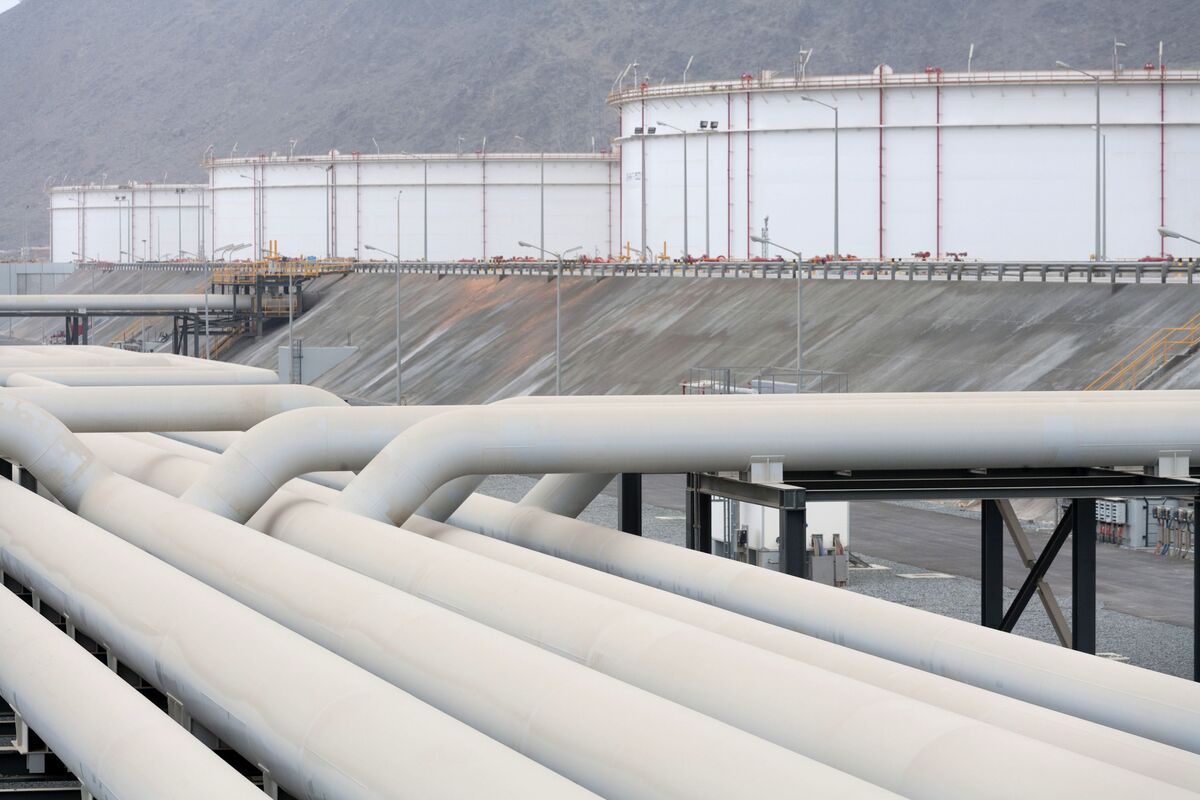
The United Arab Emirates (UAE) is taking significant steps to enhance its energy security by constructing a new pipeline that will circumvent the Strait of Hormuz. This strategic move aims to ensure a reliable oil export route, especially given the geopolitical tensions that have historically affected this crucial maritime pathway. Set for completion by 2027, the pipeline is expected to bolster the UAE’s position in the global energy market.
Strategic Importance of the New Pipeline
The Strait of Hormuz has long been a critical chokepoint for oil shipments, with approximately 20% of the world’s petroleum passing through it. Over the years, this narrow waterway has been susceptible to geopolitical conflicts and threats, which could disrupt oil supplies. By constructing a new pipeline, the UAE is addressing potential vulnerabilities associated with relying heavily on this route. This strategic initiative not only serves to protect national interests but also enhances global energy security by providing an additional, stable route for oil exports.
Technical Aspects of the Pipeline
The upcoming pipeline is designed to transport oil directly from the UAE’s production fields to export terminals, minimizing the distance and time it takes to deliver crude oil to global markets. Engineering experts have indicated that the pipeline will be equipped with state-of-the-art technology aimed at ensuring operational efficiency and safety. Additionally, the project is expected to adhere to rigorous environmental standards, reducing the ecological footprint associated with traditional transportation methods. The pipeline’s development will also create numerous job opportunities and stimulate economic growth in the region.
Impact on Global Oil Markets
The successful implementation of this pipeline could have far-reaching implications for global oil markets. It offers an alternative route for oil exports, potentially leading to a more stable pricing structure in the energy sector. By reducing dependence on the Strait of Hormuz, the UAE may alleviate some of the market volatility caused by geopolitical uncertainties. This project signifies the country’s commitment to maintaining its role as a key player in the global energy landscape while enhancing the resiliency of its supply chain.
Future Outlook for the UAE’s Energy Sector
As the UAE progresses with the construction of this pipeline, it reflects a broader trend in the energy sector towards diversification and innovation. The initiative aligns with the UAE’s long-term vision to secure its energy future amid changing global dynamics. Furthermore, it complements the nation’s efforts to harness renewable energy sources, thereby contributing to a more sustainable energy ecosystem. The pipeline is not just an infrastructural project; it symbolizes the UAE’s proactive stance in adapting to the challenges and opportunities that lie ahead in the energy world.
In summary, the UAE’s new pipeline project represents a pivotal move in securing energy exports while minimizing geopolitical risks associated with traditional transit routes. Set for operation by 2027, it will undoubtedly reshape how the UAE engages with global oil markets and enhance its energy security in an increasingly complex geopolitical landscape.