
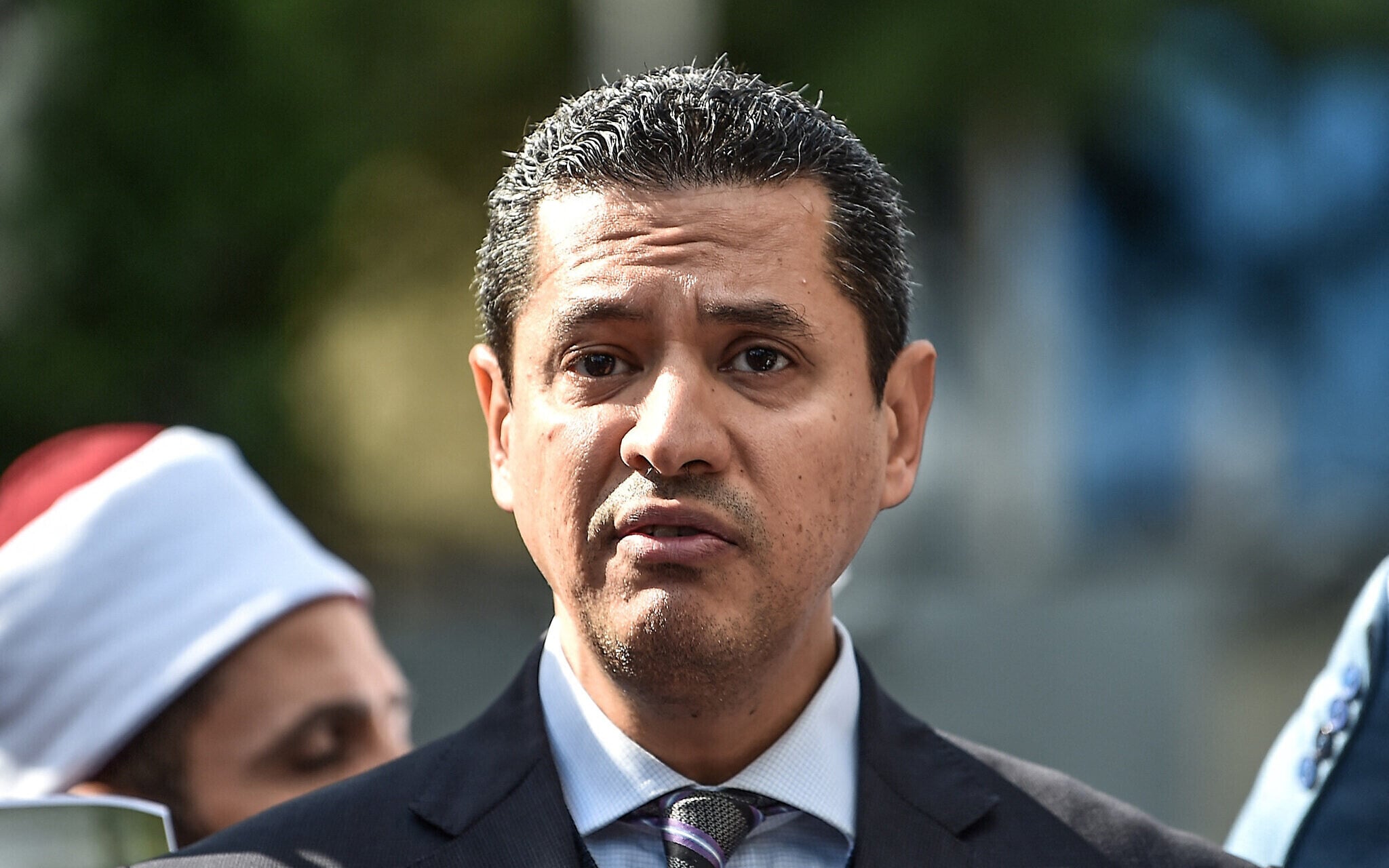
Abdul Rahman al-Qaradawi’s recent extradition from Lebanon to the United Arab Emirates (UAE) has drawn significant attention worldwide. He was sentenced to a decade in prison for alleged activities deemed harmful to public security. This pivotal event raises questions about the geopolitical dynamics in the region and the implications of judicial actions against political figures.
Background on Abdul Rahman al-Qaradawi
Abdul Rahman al-Qaradawi, a well-known figure associated with various political movements, has been linked to the controversial group, the Muslim Brotherhood. His influence in both political and religious circles has made him a polarizing character. The extradition reflects broader tensions within the region, especially between nations that are often at odds on political ideologies. The UAE’s stringent approach to dissent illustrates its dedication to maintaining stability and its stance against organizations considered to be a threat to public order.
The Extradition Process and Its Political Implications
The extradition from Lebanon to the UAE was laden with complex diplomatic negotiations. Lebanon’s decision underscores the delicate balance it maintains concerning its foreign relations and internal security. For the UAE, bringing al-Qaradawi to justice signifies a bold move to assert its authority by addressing perceived threats. This case highlights the nuances of international law where political motivations often intertwine with judicial processes. The legal ramifications are crucial, influencing how such cases may be handled in the future, especially involving individuals with links to controversial groups.
Reactions and Public Perception
The international community has responded with mixed reactions regarding al-Qaradawi’s sentencing. Supporters argue that actions taken against him are politically motivated, aimed at suppressing dissent and opposition within the UAE. Critics, on the other hand, emphasize the need for a stable public sphere that promotes security and order. The case has sparked debates about human rights, freedom of expression, and the extent to which governments can limit these within their borders. The public’s perception of this situation varies greatly, dependent on cultural, political, and social backgrounds.
Looking Ahead: Implications for Political Dissidents
The outcome of al-Qaradawi’s case could set a precedent for how political dissidents are treated in the UAE and beyond. As nations grapple with the challenges of dissent and security, the measures adopted against individuals like al-Qaradawi may become more prevalent. The implications are wide-ranging, affecting not only the individuals involved but also the broader political landscape. The handling of such cases will likely influence future international relations and the strategies employed by governments to control and mitigate dissenting viewpoints.
In summary, the extradition and sentencing of Abdul Rahman al-Qaradawi mark a critical juncture in regional politics. The blend of legal proceedings, international relations, and public opinion creates a complex and evolving narrative that warrants close attention as it unfolds.