
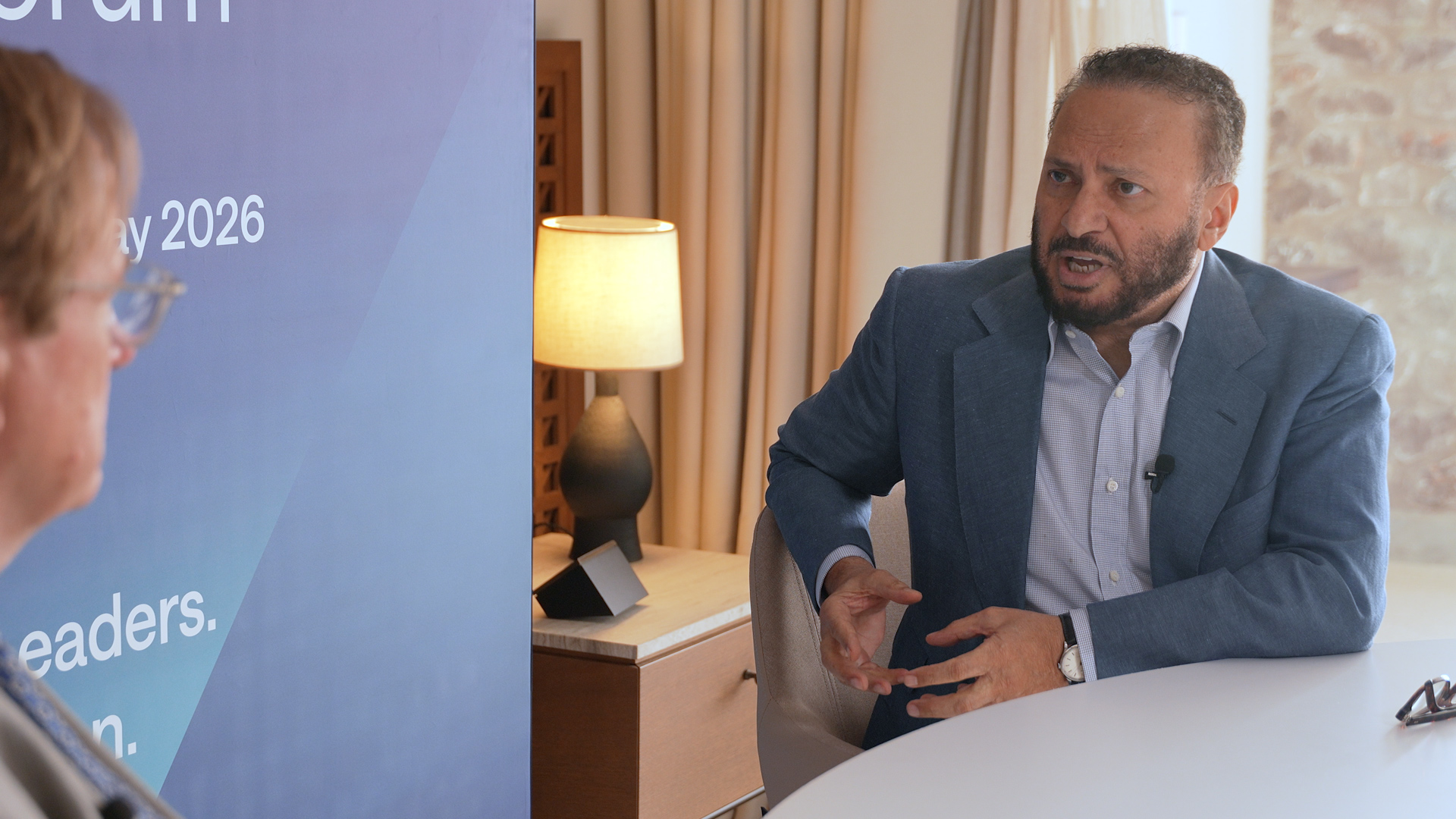
Anwar Gargash, the diplomatic advisor to the UAE president, recently discussed the escalating tensions with Iran during an interview at the inaugural Europe Gulf Forum in Greece. He expressed his deep concern over the recent missile and drone attacks by Iran on Gulf states, describing the situation as a “worst-case scenario.” Gargash’s insights are vital for understanding the shifting dynamics in the region, particularly how these developments may affect diplomatic relationships and regional security.
Iran’s Aggression and Its Impact on Gulf Relations
Gargash highlighted the failure of previous diplomatic efforts aimed at containing Iran’s aggressive behavior. Before the conflict intensified, Gulf nations, including the UAE, implemented measures to foster dialogue and trade connections with Iran, hoping these ties would mitigate tensions through shared interests. However, the recent attacks on national infrastructure marked a significant shift, leading to a reevaluation of these relationships. Gargash articulated that while attempting to engage Iran diplomatically, these efforts have ultimately fallen short, resulting in heightened security concerns across the region.
He emphasized that the UAE, alongside other Gulf states, had committed to assuring Iran that their territories would not support any attacks. However, despite these assurances, Iran launched swift retaliatory strikes following U.S. targeting, a move that Gargash interpreted as a premeditated and calculated aggression against Gulf countries. The immediate response of multiple nations underlines a disturbing reality: there appears to be a strategic miscalculation on Iran’s part regarding the repercussions of its actions.
GCC’s Role and Future Prospects
In assessing the broader implications for the Gulf Cooperation Council (GCC), Gargash expressed disappointment in the bloc’s collective response to Iranian provocations. Historically, the GCC has demonstrated a capacity to unify in the face of existential threats, but this time that response was lacking. Closer cooperation and a more integrated strategy among GCC states are essential as they navigate this new geopolitical landscape. Gargash advocated for improved security frameworks that complement national defenses, helping to counter the evolving threats posed by Iran.
As conversations continue around regional partnerships, Gargash pointed out the burgeoning camaraderie between Gulf states and European nations as a critical avenue for enhancing collective security and economic cooperation. From negotiations on free trade agreements to technological collaboration, there are numerous areas ripe for development. These partnerships not only empower individual Gulf states but may also strengthen the GCC as a formidable entity in the face of external threats.
Shifting Security Dynamics with Israel and Beyond
Gargash also addressed the evolving relationship with Israel in light of the Iranian threat. The UAE’s engagement with Israel has been formal and constructive, particularly in defense collaboration, such as the use of Israeli technologies to safeguard Emirati sovereignty. The perception of Iran as a strategic threat is prompting a reconsideration of alliances, leading to a stronger partnership with Israel that benefits regional security.
Moreover, he emphasized the ongoing importance of dialogue, even amid disagreements over policies like the Palestinian statehood discussion. The UAE aims to be a constructive influence, as evidenced by its humanitarian efforts in Gaza, where it has provided significant aid. This multifaceted approach underscores the UAE’s commitment to stability and progress, actively participating in shaping a peaceful regional narrative.
In conclusion, as Gargash articulated, the challenges posed by Iranian aggression necessitate a recalibrated diplomatic strategy and strengthened regional alliances. The current geopolitical landscape demands careful navigation and proactive steps to foster trust and cooperation among Gulf nations and their partners. As the situation evolves, the importance of building robust security measures and maintaining open channels of communication will be paramount to achieving long-term stability in the region.