
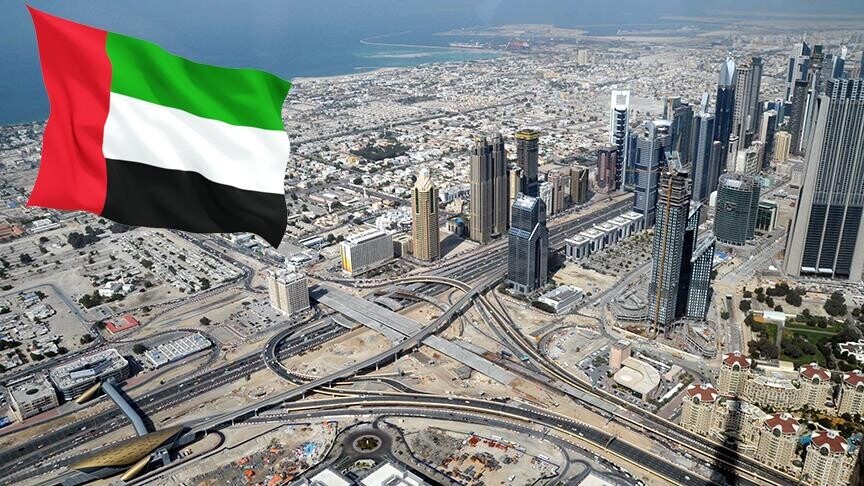
The United Arab Emirates (UAE) has taken a decisive stance on its relationship with Iran by suspending trade and financial transactions amid rising regional tensions. This development came shortly after UAE officials firmly denied allegations that the nation was providing financial assistance to Iran.
Suspension of Trade Relations
The UAE’s decision to halt all commercial activities with Iran was announced recently, primarily in response to heightened security concerns and ongoing conflicts in the region. The UAE’s Foreign Ministry indicated that this pause is essential for maintaining peace and stability, especially after the Defense Ministry reported detection of ballistic missiles launched from Iranian territory.
Despite being Iran’s second-largest trading partner globally, the UAE has deemed it necessary to reassess its engagement with Tehran. Historically, non-oil trade between the two countries fluctuates between $27 billion and $29.1 billion annually, with discussions previously held to elevate this number to $30 billion. However, the current geopolitical climate has overshadowed these mutual economic interests.
Rejection of False Claims
Anwar Gargash, the UAE’s presidential diplomatic adviser, has publicly refuted rumors suggesting that Abu Dhabi is financially supporting Iran. He labeled these claims as part of “desperate media campaigns” and emphasized the importance of addressing such misinformation directly. Gargash reassured the public that the UAE remains focused on navigating the complex developments in the region.
In a post on the platform X, Gargash underscored the integrity of the UAE’s actions. He reiterated that the Emirati leadership will continue to respond to the current geopolitical landscape through tangible results rather than succumbing to unfounded allegations. This proactive approach highlights the UAE’s commitment to securing its national interests.
Regional Tensions and Defense Concerns
Amidst these tensions, Iran has conducted missile and drone strikes targeting various Gulf nations, particularly occurring after US airstrikes on Iranian positions. This cycle of retaliation has escalated fears of broader conflict in an already volatile region. The US military has been actively engaged, conducting attacks against Iran from July 8 to 24, prompting Tehran to retaliate against US military assets in allied countries.
The situation has further complicated efforts at diplomatic resolutions, particularly in light of negotiations that took place earlier this summer. Despite signing a memorandum of understanding aimed at establishing peaceful interactions, subsequent talks have stalled due to disagreements over security assurances and navigation rights in the Strait of Hormuz, a critical waterway for global oil supply.
In the coming days, the UAE’s approach to Iran will remain closely monitored as both nations contend with the realities posed by military actions and international relations. The suspension of trade could have long-lasting effects not only on the UAE-Iran dynamic but also on regional stability as both countries navigate the impact of their decisions on economic and security fronts.