
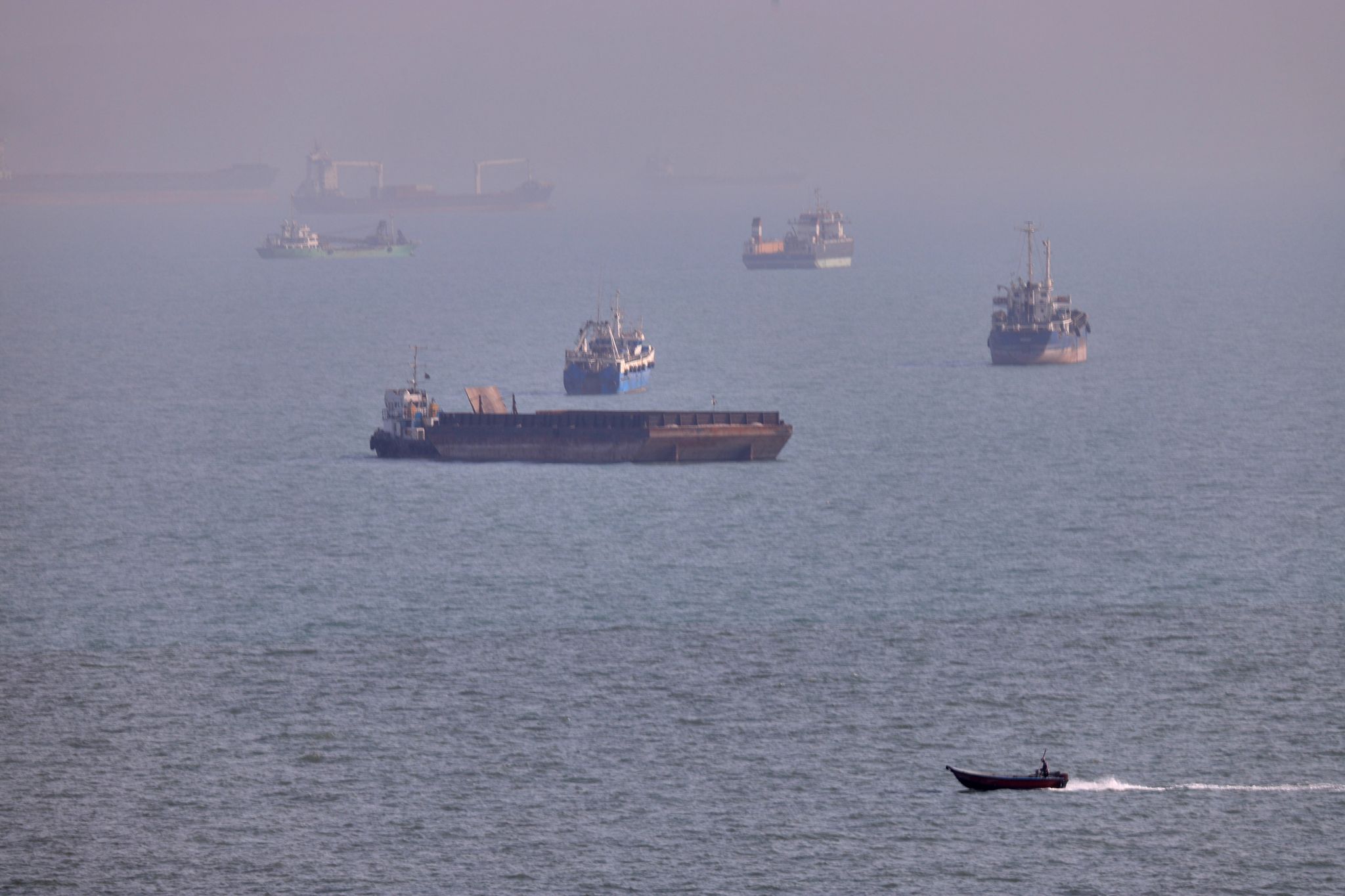
Recent tensions between the United States and Iran have escalated dramatically, highlighted by a confrontation in the waters near the UAE. This incident raises concerns about stability in a region pivotal for global energy trade, as well as the potential for broader conflict.
Unprecedented Military Engagement in the Strait of Hormuz
On August 5, 2026, the United Arab Emirates intercepted an Iranian drone over its waters, marking a significant uptick in hostilities following a weekend exchange of fire between the U.S. and Iranian forces. Reports indicate that the U.S. military’s actions on Larak Island resulted in casualties, prompting responses from Iran, including missile strikes aimed at U.S. positions in Jordan, which were reportedly intercepted before causing damage. The renewed military activities have raised alarms about the security of the Strait of Hormuz, a critical artery for oil transportation.
Strategic Implications for Global Oil Markets
The ongoing military exchange has immediate consequences for energy markets, with Brent crude oil prices climbing above $90 per barrel, reflecting a near 25% increase since the onset of conflict. As the U.S. ramps up economic pressure on Iran in hopes of facilitating a return to normal shipping practices in the Strait, the stakes grow higher. This strategic chokehold on the Strait has the potential to disrupt global supply chains, exacerbating inflationary pressures on energy and other commodities worldwide.
Calls for Diplomacy Amid Rising Tension
In response to the escalating hostilities, Anwar Gargash, a diplomatic advisor to the UAE’s leadership, emphasized that the current state of unresolved tension is unsustainable. He advocates for a political resolution that prioritizes safe navigation in the Strait and warned against unproductive diplomatic measures that have previously failed. Meanwhile, Iran’s leadership maintains a stance of defending its sovereignty and asserts that any further military aggression will elicit decisive reprisals.
The Strategic Landscape Shifts
As military operations intensify, U.S. officials have characterized their actions as targeted and precise. U.S. Central Command reported strikes against Iranian forces perceived to be preparing to deploy mines and rockets into international waterways. While Iran claims this is an act of provocation, Washington asserts its measures are limited, focusing on safeguarding vital maritime routes.
The situation remains fluid, with economic sanctions and military readiness setting a precarious balance. The U.S. Treasury is actively engaging with international allies to isolate Iran economically, a strategy that follows a recent suspension of trade by the UAE in reaction to Iranian missile threats. As the region watches carefully, the potential for open conflict looms near, while any resolution requires intricate diplomacy amid rising military tensions.