
The Middle East has seen significant developments recently, particularly involving the United Arab Emirates, Yemen, and Turkey. Each of these events underscores ongoing regional tensions and the complexities surrounding peace initiatives. Below is an overview of the latest incidents shaping the political landscape.
Iran Targets UAE Vessel in Strait of Hormuz
The United Arab Emirates has reported an incident involving a missile strike on one of its ships attributed to Iran in the critical Strait of Hormuz. The ship belongs to the Abu Dhabi National Oil Company (ADNOC) and was struck while transiting the waterway, which is known for its strategic importance to global oil trade. The UAE’s Foreign Ministry stated that the missile attack is part of a broader pattern of hostility toward commercial shipping in the region.
According to ADNOC, there were no casualties resulting from the attack, although they noted a troubling trend of multiple assaults on their vessels since the onset of heightened tensions linked to the conflict involving the U.S. and Israel against Iran. Despite earlier attacks that resulted in one death and numerous injuries, details regarding the damage to the vessel or its specific location remain unclear.
The United Kingdom Maritime Trade Operations Centre reported a separate incident involving a vessel east of Khasab, Oman, which was struck by a projectile that ignited a fire; however, the crew remained unharmed. This indicates that the threats to maritime navigation in the region are escalating concurrently with diplomatic efforts involving Iran and Oman aimed at stabilizing the waterway.
Yemen’s Military Responds to Houthi Attacks
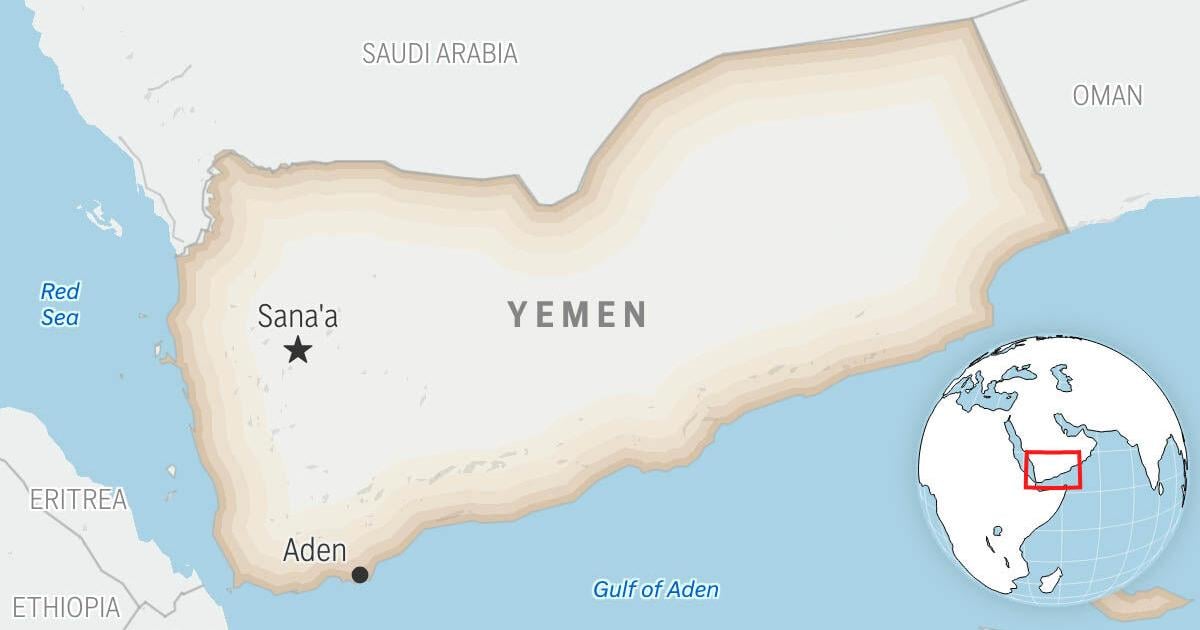
In Yemen, the military has retaliated against the Iranian-backed Houthi rebels following their recent assaults in central and eastern parts of the country. A spokesperson for Yemen’s military, Col. Majed al-Nazili, confirmed that military operations targeted key Houthi positions across various fronts, although specific details were not disclosed. This military engagement raises concerns about a resurgence of large-scale conflict in Yemen, which has seen a fragile truce since 2022.
United Nations envoy Hans Grundberg has called for caution, warning that Yemen is facing an increased risk of renewed conflict. His remarks underscore the intricate dynamics at play within the region, where a previously brokered peace could easily unravel due to escalating hostilities.
Turkey Moves Towards Kurdish Peace Initiatives
Meanwhile, in Turkey, a proposed legislation aimed at fostering peace with Kurdish insurgents has cleared its initial parliamentary hurdle. The draft law, which envisions a conditional amnesty for former fighters, has been approved by a parliamentary committee. Last year, the Kurdistan Workers’ Party (PKK) indicated its intention to disarm as part of an ongoing effort to resolve decades-old tensions.
The anticipated legislation will outline procedures for disarmament and provide rehabilitation opportunities for certain PKK members. Notably, it also includes measures to suspend prison sentences for those convicted of membership in the group, pending the disarmament and surrender of all weapons, as confirmed by Turkey’s National Security Council.
This conflict, which has plagued Turkey since the 1980s, has led to substantial loss of life and has extended its impacts beyond Turkey, affecting surrounding nations such as Iraq and Syria. While Turkey and its Western allies consider the PKK a terrorist organization, the recent developments in parliament represent a significant step forward in potential peace talks.
The culmination of these events in the Middle East reflects the complex interplay of military actions, diplomatic negotiations, and ongoing tensions that characterize the region’s socio-political landscape. As nations grapple with these challenges, the future remains uncertain, necessitating careful monitoring of the evolving situation.