
UAE Reassesses Role in Yemen Conflict
The United Arab Emirates (UAE) has decided to re-engage in the Yemen conflict by renewing financial support for government forces fighting the Iran-backed Houthi movement. This strategy is a significant shift, reflecting a potential thaw in relations between the UAE and Saudi Arabia, particularly amidst rising concerns regarding Houthi advancements in the region.
Renewed Financial Support and Military Cooperation
Sources indicate that the UAE’s return to Yemen will include renewed payments to certain military factions opposed to the Houthis, with the agreement that Saudi Arabia will provide aerial support for these forces. This cooperation marks a pivotal moment for both Gulf nations as they strive to counter the Houthi threat. Saudi facilities have faced consistent assaults, including drone and missile attacks that have impacted airports and energy infrastructure, intensifying the urgency for a united front.
The primary recipients of this renewed support are likely to be the Giants Brigades, an effective coalition force previously funded and trained by the UAE. Their formidable reputation makes them crucial in efforts against the Houthis. The UAE had suspended funding when it withdrew from Yemen in January, but evolving circumstances appear to have prompted a reconsideration of this approach.
Southern Separatists and Their Demands
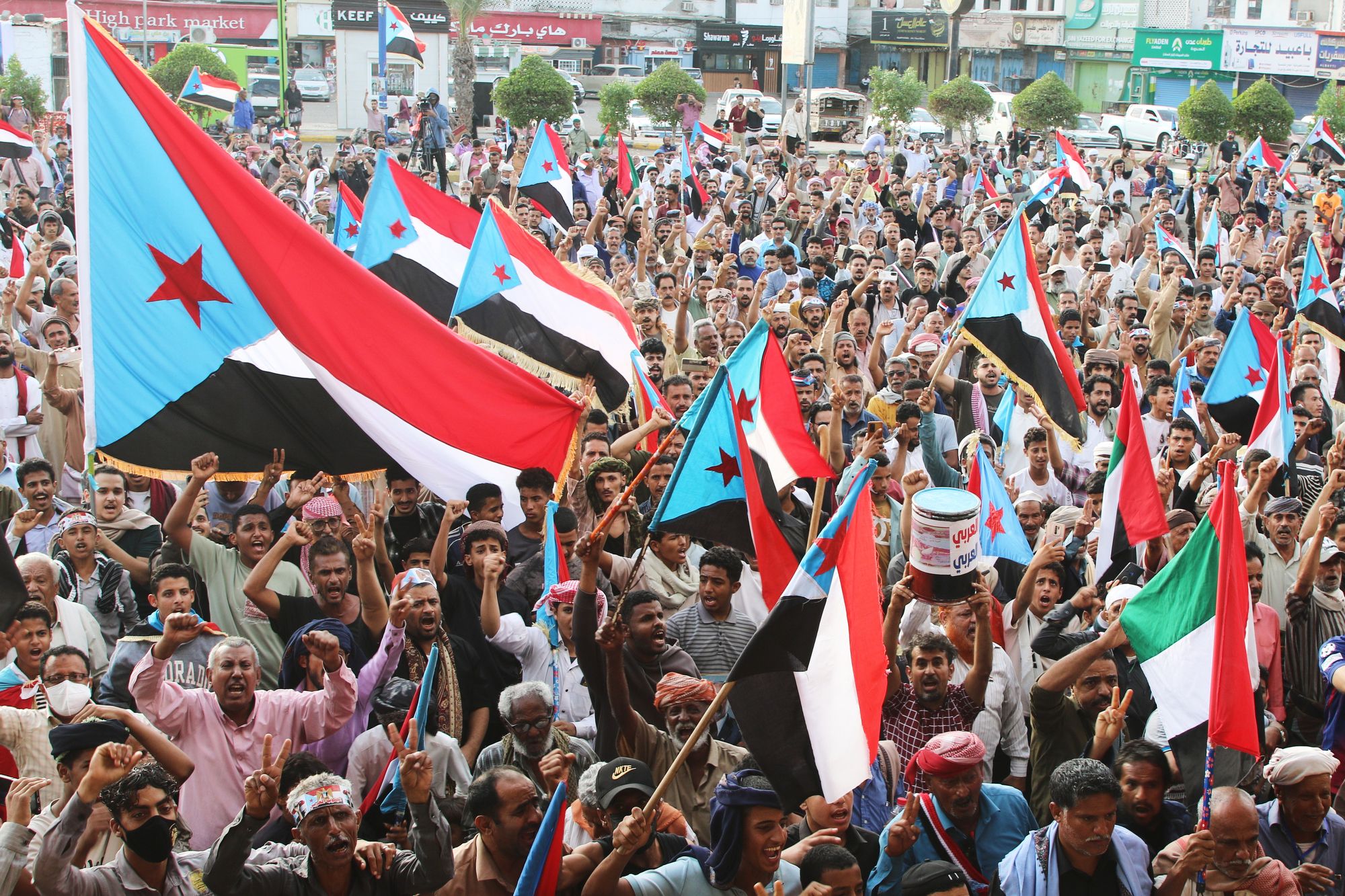
Recently, southern separatists have asserted a call for a referendum aimed at restoring historical borders, reminiscent of the period between 1967 and 1990, when Yemen was made up of two distinct states. This demand remains unaddressed by either Saudi Arabia or the UAE, illustrating the complexities of the conflict landscape. The Southern Transition Council has indicated a willingness to remain within the confines of the old southern boundaries unless granted explicit Saudi approval for a referendum.
The leadership of the Southern Transition Council, notably Aidarous al-Zubaidi, has faced challenges, including a retreat to Abu Dhabi following a failed attempt to assert control over the southern region. Past tensions flared when Saudi Arabia intervened to disrupt UAE arms supplies designated for al-Zubaidi’s forces, forcing the UAE’s exit from Yemen.
Counteroffensive Against the Houthis
Meanwhile, Yemen’s internationally recognized government, situated in Aden, has initiated a counteroffensive aimed at ousting the Houthis from the capital, Sanaa. However, the initial outcomes of this campaign have been less than promising, with limited progress reported around significant areas such as Majzar and the strategically vital Bab al-Mandab Strait.
Emirati officials remain particularly uneasy about the ongoing resolve of the Houthis, who, despite suffering serious losses, continue to eye territories like Taiz and Marib. The strategic significance of these locations directly affects the stability of the broader region.
Ongoing Threats to Regional Security
On a recent Friday, a stark reminder of the ongoing conflict occurred when two Houthi missiles struck Aden airport just as a passenger plane was preparing for takeoff, fortunately resulting in no casualties. Such attacks highlight the precarious nature of security in the region and the continual threat posed by the Houthis.
The renewed military engagement between the UAE and Saudi Arabia may signify a bolstering of efforts aimed at stabilizing Yemen and countering Houthi aggression. However, the complexities of local alliances and geopolitical interests remain critical factors in the quest for a lasting resolution to this protracted conflict.