
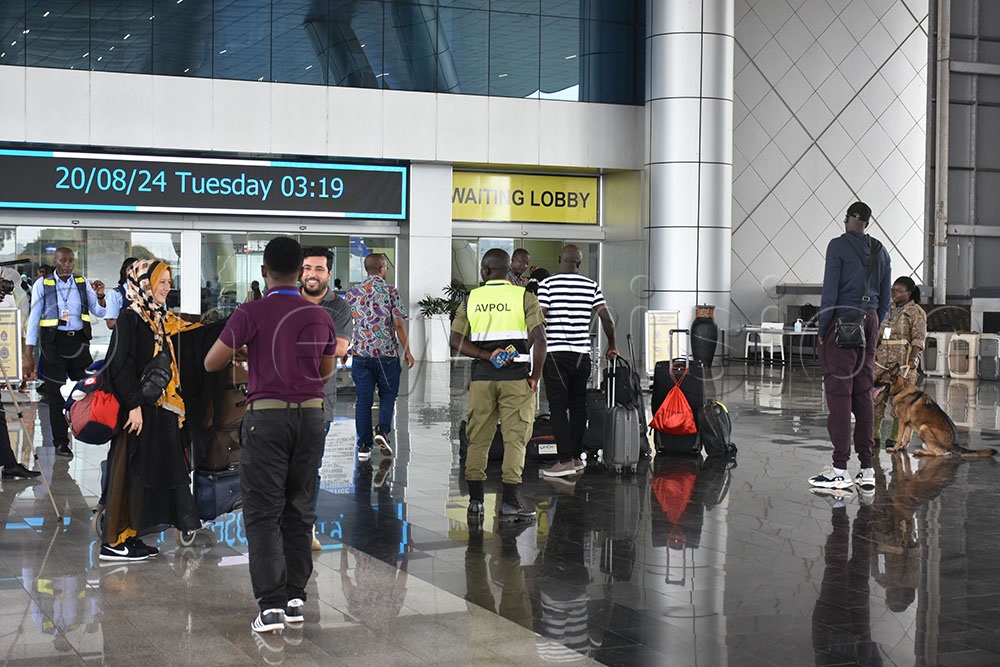
The United Arab Emirates (UAE) recently updated its entry regulations concerning travelers from Uganda, marking a shift in response to the evolving situation surrounding the Ebola virus. This decision aims to enhance travel safety and facilitate easier access for Ugandan nationals following the World Health Organization’s (WHO) declaration that Uganda is free from the disease.
Changes to Entry Regulations for Uganda
On September 26, 2026, the National Emergency Crisis and Disaster Management Authority (NCEMA), working alongside the Ministry of Health and Prevention (MoHAP), announced the easing of entry restrictions for travelers from Uganda. This change comes after Uganda was officially declared Ebola-free on August 27, 2026, following a 42-day period without new confirmed cases. Dr. Kasonde Mwinga, the WHO representative in Uganda, emphasized that this timeframe is crucial for determining the end of an Ebola outbreak, allowing for renewed confidence in public health safety.
Previously implemented travel restrictions had been in place since June 6, 2026, for Uganda, the Democratic Republic of the Congo (DRC), and South Sudan as part of the UAE’s strategy to manage the risks associated with the Ebola virus. While measures for Uganda have shifted, those related to the DRC and South Sudan remain unchanged due to ongoing health concerns in those regions.
Ongoing Monitoring and Public Health Measures
The UAE authorities have underscored the importance of continuous evaluation of the public health landscape. NCEMA, in collaboration with MoHAP and ICP, stated that they will keep a close watch on local and global developments pertaining to Ebola. The ongoing assessment will dictate whether additional adjustments to entry regulations are required in the future. This proactive approach aims to ensure that public health protocols successfully align with evolving risk assessments.
The epidemiological status in the DRC remains concerning, as the nation has recorded more than 7,000 Ebola cases in its most severe outbreak, which began in mid-May. Reports indicate that nearly 3,400 individuals have fallen victim to the virus during this 17th epidemic, highlighting the need for caution in areas where the disease persists.
The Road Ahead for International Travel
With the recent lifting of restrictions for Uganda, authorities are hopeful that other nations will also consider reevaluating travel bans imposed during the Ebola outbreak. Dr. Diana Atwine, the Permanent Secretary of Health, pointed out that the latest declaration might encourage countries to follow suit and lift their restrictions on Ugandan travelers.
Nevertheless, the UAE’s remaining precautionary measures will continue to be in place for the DRC and South Sudan until the health situation in those countries improves. The UAE government is committed to adapting its public health strategies based on the most up-to-date disease surveillance and risk assessments, ensuring the safety of all travelers.
In summary, the UAE’s recent regulatory changes signal a significant relief for Ugandan nationals entering the country. This decision stems from positive developments in public health, yet it necessitates ongoing vigilance and monitoring in the face of global health challenges.