
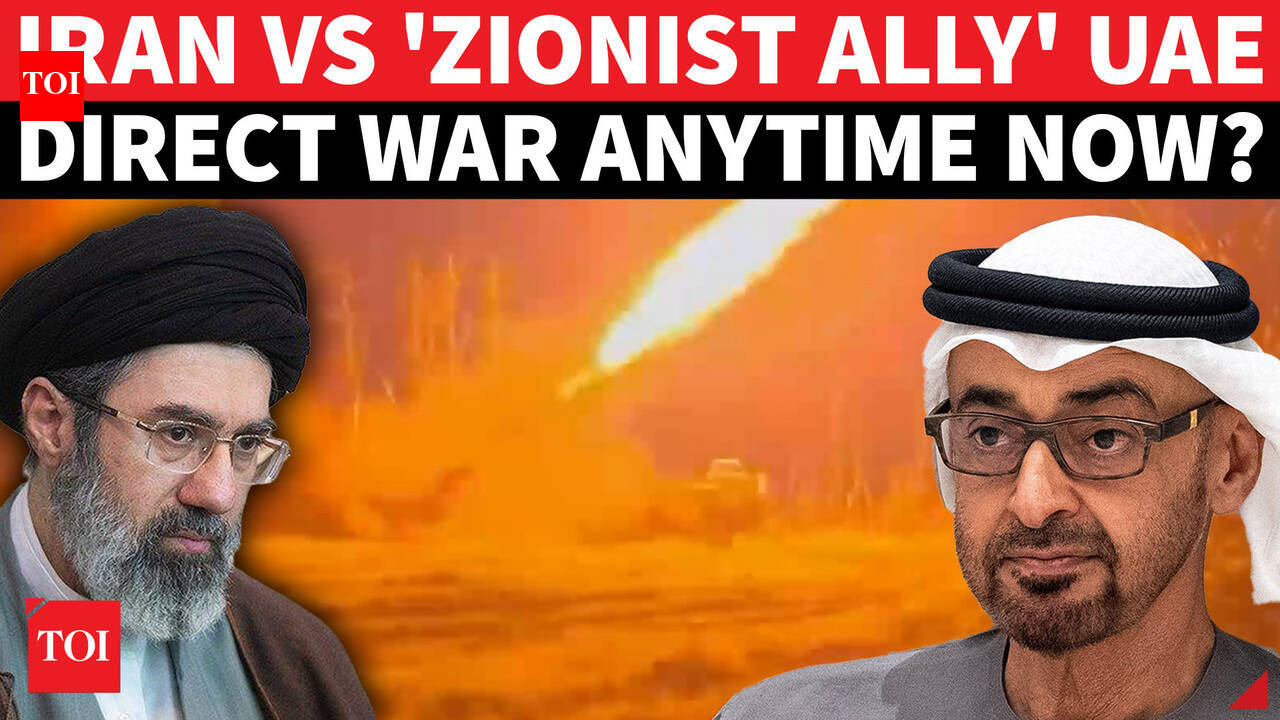
Iran has intensified its military activities in recent weeks, launching a series of one-way drones aimed at a commercial vessel associated with the United States. This escalation is significant, as it heightens existing tensions in the Gulf region. The American military has responded decisively, conducting strikes on Iranian military targets in reaction to these provocations.
Iran’s Drone Offensive
Recent reports indicate that Iran has initiated an aggressive campaign utilizing drones to target vessels linked to U.S. interests in the Gulf of Hormuz. The latest drone attack specifically focused on a ship identified as having U.S. affiliations. This strategy reflects Iran’s continuing efforts to assert its influence in a volatile region, where maritime security remains a pressing concern. As tensions escalate, the threat to commercial shipping and international navigation in the Gulf has become more pronounced, raising alarms among various stakeholders.
U.S. Military Response
In light of these aggressive acts, U.S. forces swiftly launched a counter-offensive aimed at Iranian military installations. Among the targets was an Iranian ground control station located in Bandar Abbas, which U.S. officials claimed was preparing to deploy additional drones against American-linked ships. The U.S. military has characterized these strikes as “measured” and “purely defensive,” emphasizing that their intent was to maintain stability and uphold the ongoing ceasefire in the region. Such military actions underline the readiness of the U.S. to defend its interests and those of its allies while promoting security in the sensitive maritime corridor.
Implications for Regional Security
The escalating drone warfare coming from Iran raises critical concerns about the security of maritime routes in one of the world’s most vital shipping lanes. The U.S. response illustrates a willingness to engage militarily when provoked, which could lead to further conflict if similar situations arise in the future. Stakeholders, including regional allies and international shipping companies, are closely monitoring these developments, given the potential for supply chain disruptions and broader geopolitical ramifications.
The Broader Context
This latest episode is just one chapter in an ongoing saga of tension between the U.S. and Iran, rooted in complex historical and geopolitical factors. As the situation evolves, the international community remains watchful, recognizing the importance of de-escalation to prevent a larger confrontation. While the U.S. aims to safeguard its interests, Iran’s actions may reflect an underlying strategy to exert power and challenge U.S. influence in the region. The interplay between these two nations continues to shape the dynamics of Gulf security, calling for ongoing dialogue and effective strategies to foster peace and stability.
As the situation develops, it remains essential for all parties involved to prioritize diplomatic solutions to prevent the cycle of retaliation from escalating further. Maintaining maritime security and ensuring safe navigation in the Gulf will be vital for international trade and regional stability moving forward.