
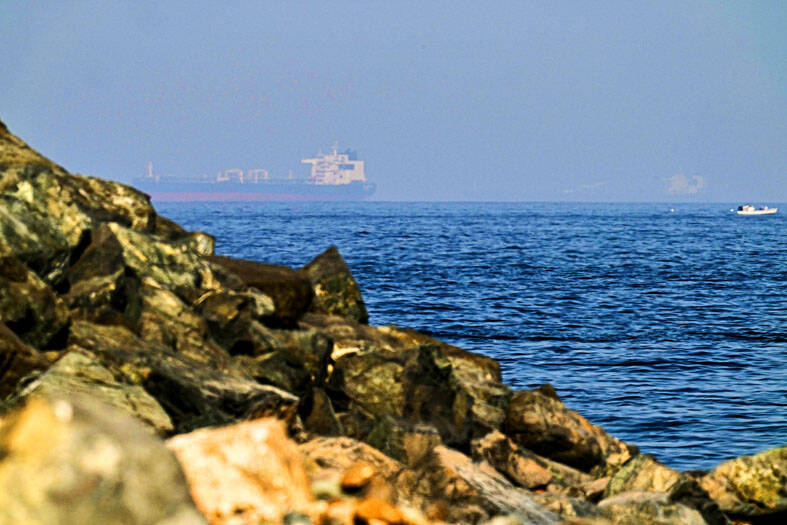
The ongoing tensions between the United Arab Emirates (UAE) and Iran have escalated dramatically, prompting significant policy shifts from Abu Dhabi. Notably, the UAE has announced a suspension of all trade and financial engagements with Iran following reports of missile attacks targeted at maritime vessels. This development marks a critical juncture in a complex geopolitical standoff that has seen rising hostility and military provocations.
Missile Threats and Regional Tensions
On Tuesday, the UAE Ministry of Foreign Communications reported that its air defense systems detected two ballistic missiles launched from Iranian territory. Though the UAE initially stated these missiles were aimed at the country itself, it later clarified that they were targeting maritime shipping routes. “In light of regional escalations, all trade, commercial exchanges, and financial transactions with Iran have been halted until further notice,” stated Afra al-Hameli, the Ministry’s Director. This suspension signals a more aggressive stance amid ongoing concerns regarding Iranian military actions.
The missile threat adds a layer of complexity to a previously stable relationship. Prior to this latest episode, the UAE had not endured such attacks since May, when it faced multiple threats in the early weeks of the Middle East conflict. The emirate’s accusations against Iran suggest a reviving tension that could destabilize the region once again, particularly as Abu Dhabi has previously reported incidents of Iranian assaults on its tankers.
Iran’s Response and Denial
In response to the UAE’s claims, Iranian officials have categorically denied the missile launch assertions, calling them detrimental to efforts aimed at fostering regional trust and stability. Esmaeil Baqaei, spokesperson for the Iranian Ministry of Foreign Affairs, dismissed the UAE’s allegations, asserting that they contribute to heightened tensions rather than alleviating them. This denial adds to a series of conflicting narratives between the two nations which have historically shared deep cultural and economic ties.
Following the missile incident, residents of the UAE received alerts regarding a potential missile threat, underscoring rising anxieties about security. The defensive measures taken by the UAE demonstrate its resolve to protect its sovereignty and maritime interests. While the Iranian community in the UAE remains substantial, the diplomatic relations between the two nations appear increasingly perilous, especially as trade and commercial ties are now adversely affected.
Impact on Trade Relations
The suspension of financial dealings is the latest development in a sequence of measures taken by the UAE in response to Iranian provocations. Earlier in the conflict, the UAE recalled its ambassador and shut down institutions linked to the Iranian state, including a hospital and several schools. These steps emphasize a broader strategy of isolating Iran in response to its escalating military posturing, notably linked to the Islamic Revolutionary Guard Corps (IRGC).
As both nations navigate this crisis, the implications for trade and economic cooperation are profound. Historically, the UAE has been a vital trading partner for Iran, especially prior to the intensification of U.S. sanctions. The suspension of trade measures could have ripple effects throughout the region, impacting not only economic health but also diplomatic relations across the Gulf.
In conclusion, the suspension of UAE-Iran trade, alongside missile threats from Iran, represents an alarming escalation in tensions between the two neighboring countries. Both geopolitical and economic consequences will likely unfold as these countries grapple with their complex historical ties amid rising security threats. The unfolding narrative of this geopolitical crisis will be crucial in shaping the future of regional stability in the Gulf.