
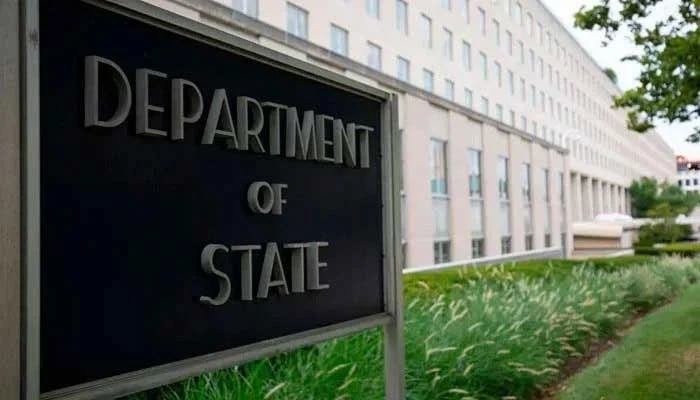
The United States has enacted sanctions targeting various entities and individuals connected to the trade of Iranian petroleum. This move aligns with ongoing efforts to limit Iran’s ability to sell oil and petrochemical products internationally.
New Sanctions Overview
On October 9, 2026, the US State Department announced sanctions against ten organizations, six individuals, and five vessels due to trade involving Iranian petroleum and petrochemicals. The penalties primarily affect companies and people linked to nations such as India, the United Arab Emirates, Türkiye, Iran, and the United Kingdom.
Details of the Sanctioned Individuals
Among those impacted by the sanctions are five Indian nationals. Notably, Dhwani Nisarg Vora and Nisarg Samir Vora, directors of SSPL Solutions based in India, were sanctioned for importing approximately $2 million worth of Iranian petrochemical products from February to July 2025. Additionally, three other Indian nationals—Ketan Manohar Kochikar, Bhupendrasingh Dhalsingh Sahu, and Harishyam Hariharan Chundakatt il—serve as directors at Samudra Marine Services, a customs brokerage. The US authorities allege that this company helped facilitate the imports of Iranian petrochemicals.
Companies from Other Countries Under Scrutiny
In Türkiye, the US sanctioned Noorzad Petrokimya and its CEO, Said Ahmad Noorzad, due to their procurement of approximately $3.8 million in Iranian-origin petrochemical products between January and July 2024. Meanwhile, in the UAE, ArabianPro Materials FZCO received sanctions over exporting about $2 million worth of Iranian petrochemicals during the same timeframe.
Additionally, firms in the UAE, including Horizon Ship Management FZE and Hessonite Ship Management LLC, faced sanctions for their roles in managing vessels that transported Iranian oil and petrochemical products. These actions signify a broader campaign to disrupt networks that enable Iran to generate revenue through oil sales.
Objective of the Sanctions
These sanctions are part of “Operation Economic Outcast,” a strategy initiated during President Donald Trump’s administration aimed at curbing Iran’s oil trade. By targeting a diverse range of companies and individuals, the US seeks to undermine the economic foundations that support Iran’s petrochemical sector. This move not only serves to strengthen US foreign policy objectives but also demonstrates a commitment to maintaining international pressure on Iran regarding its commercial activities.
The sanctions reflect a growing concern over the geopolitical implications of Iran’s oil trade and aim to restrict its access to international markets. In a climate where energy resources are vital to national interests, these measures emphasize the importance of monitoring and controlling the flow of such commodities. The implications of these sanctions extend beyond bilateral relations, impacting global energy markets and economic ties among sanctioned countries.
As the situation evolves, future developments may further redefine the landscape of international trade involving Iranian petroleum, focusing more on compliance and scrutiny from major global economies.