
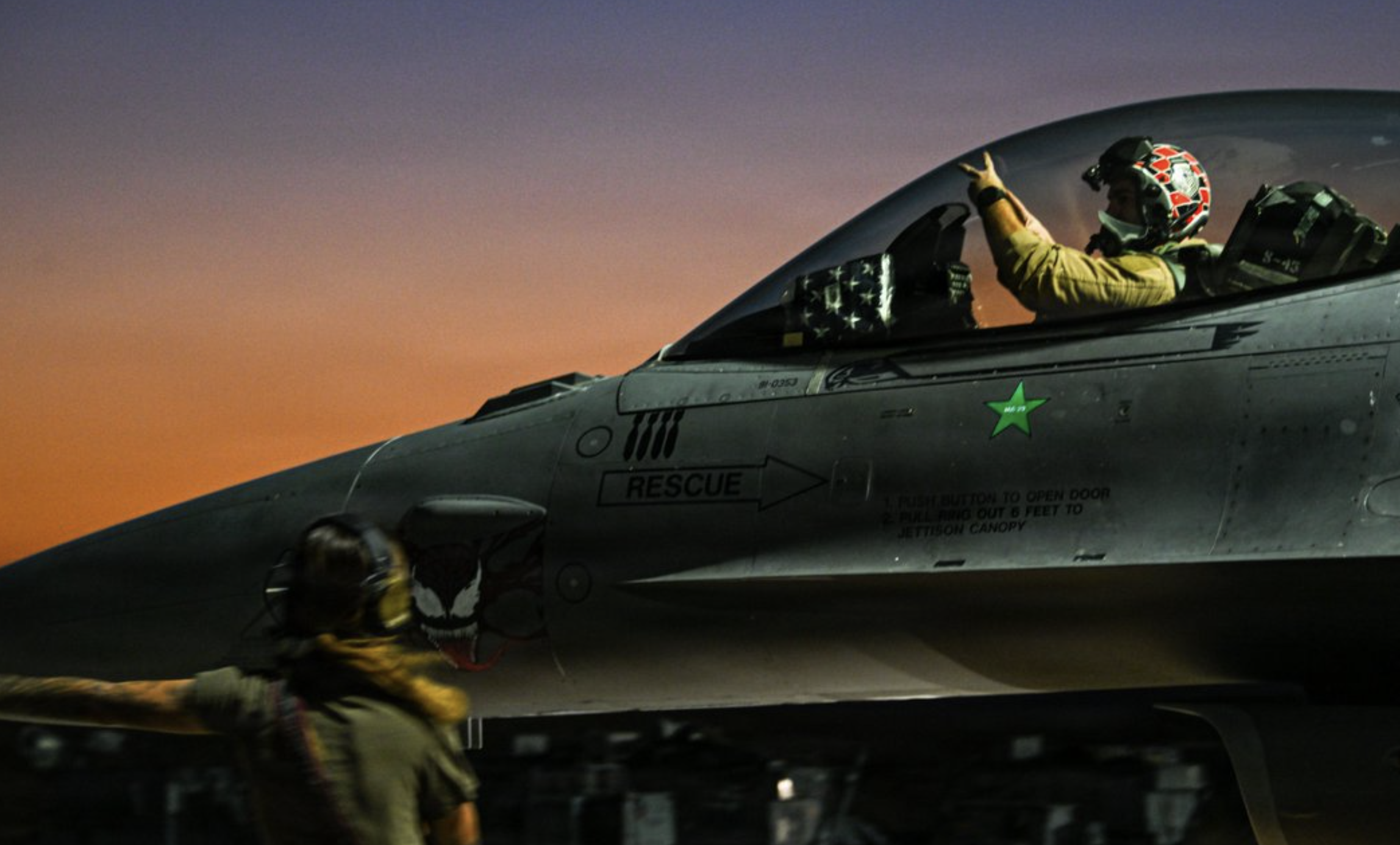
The recent airstrikes by the U.S. military mark a significant escalation in hostilities between the United States and Iran. As tensions reached a boiling point following the deaths of American service members, the situation has become increasingly dire, raising concerns about a broader conflict in the Middle East. This article delves into the latest developments and the implications for regional security.
Escalation of Conflict Following U.S. Strikes
In a retaliatory move against Iran’s paramilitary forces, the U.S. military executed airstrikes aimed at the Islamic Revolutionary Guard Corps (IRGC) after two American troops were killed in Jordan. This strike is part of a series of assaults that began with disputes over control of the crucial Strait of Hormuz, a vital waterway for global oil transport. The U.S. targeted various Iranian facilities, including military coastal surveillance and missile storage sites, intending to diminish Iran’s operational capabilities in the region.
U.S. Central Command indicated that these strikes were specifically designed to send a strong message to Iran while simultaneously degrading their power projection in the Strait of Hormuz. Video footage released by the military showcased airstrikes conducted by fighter jets and Tomahawk cruise missiles, hitting strategic locations that underpin Iran’s military strength. Despite the extensive U.S. strikes, Iranian authorities have yet to disclose the full extent of their losses amid ongoing hostilities.
The Regional Fallout and Iranian Escalation
As tensions simmer, Iran has retaliated by targeting allied nations, particularly in the Gulf Arab region. Kuwait and Bahrain have ramped up air defense measures in response to threats posed by Iranian drone and missile attacks. The situation has raised alarms, as Iranian strikes on U.S. allies threaten regional stability. Reports suggest that over 50 casualties have occurred in Iran since the U.S. airstrikes began, highlighting the severe consequences of this escalating conflict.
The Emirates have issued urgent warnings following Iranian threats aimed at strategic sites like the airports of Dubai and Abu Dhabi. In light of these threats, the UAE’s Foreign Ministry has urged restraint, underscoring the need to avoid plunging the region into further violence. Such sentiments echo the broader anxieties felt by Gulf states, recognizing the fragile balance of power amid ongoing military exchanges.
The Strategic Importance of the Strait of Hormuz
The Strait of Hormuz remains a focal point in this conflict, essential for the transit of oil and natural gas supplies. Recognizing its significance, U.S. military operations have intensified, including a naval blockade aimed at curtailing Iran’s oil exports. This signals a strategic approach to undermine Tehran’s influence while attempting to safeguard international shipping routes critical for global energy supplies.
Iranian officials have warned of severe repercussions if the U.S. continues its military actions. The Supreme Leader has issued stark warnings, emphasizing that continued aggression would lead to dire consequences for American interests. As both sides engage in a war of words and military actions, the potential for broader hostilities looms large, casting a shadow over efforts to stabilize the region.
In conclusion, the recent U.S. airstrikes and Iran’s aggressive responses reflect a dangerous escalation in the long-standing conflict between the two nations. With regional allies caught in the crossfire and critical maritime routes under threat, the unfolding situation demands close attention as the possibility of a larger conflict grows more likely. The Gulf region’s security hangs in the balance, spotlighting the urgency for diplomatic solutions to prevent further violence.