
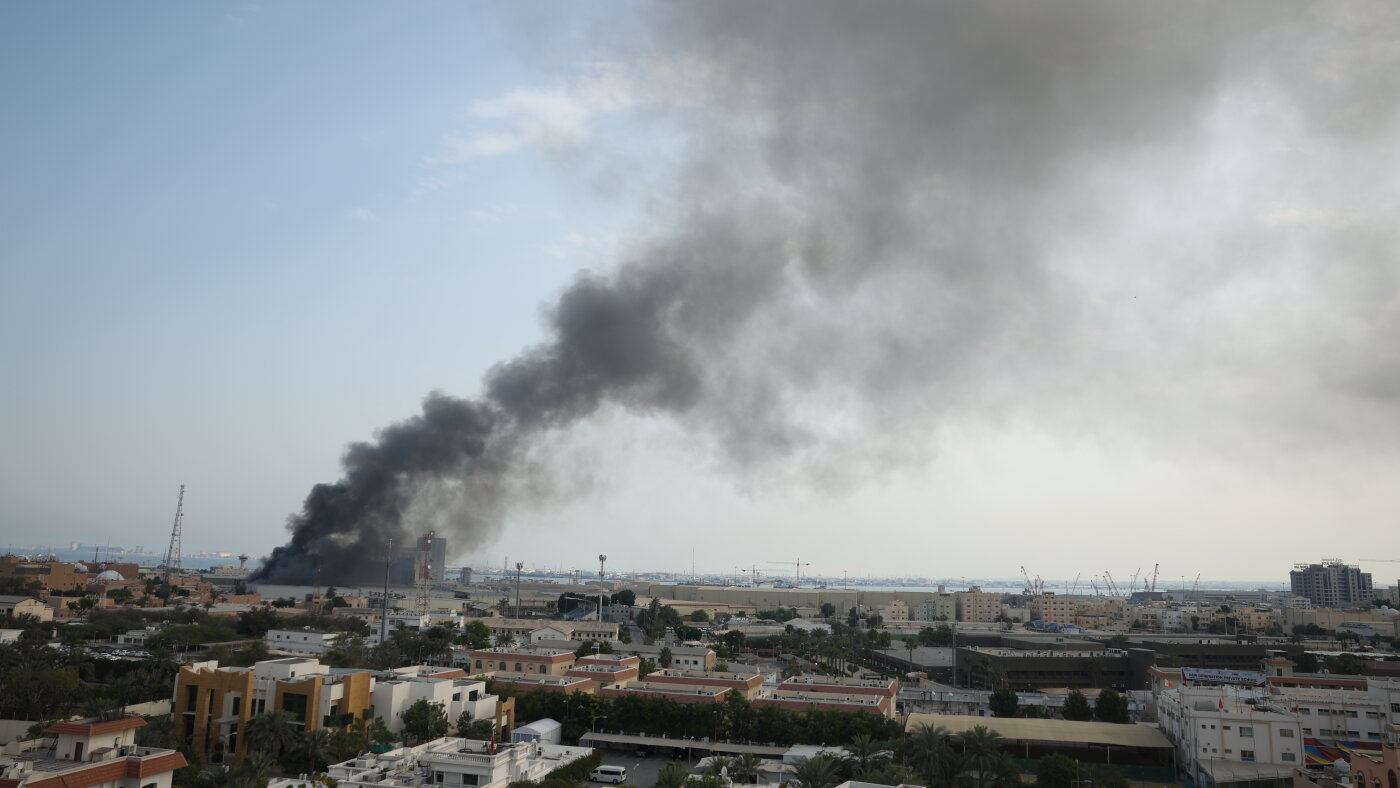
The ongoing conflict with Iran has evolved significantly since the United States and Israel initiated military actions more than six months ago. As tensions mount, the implications for U.S. military bases and personnel in the Gulf region are becoming increasingly precarious. In this article, we will delve into the developments surrounding this conflict and examine its impact on regional stability.
Escalation of Military Actions
Since the outbreak of hostilities, Iran has retaliated with strategic maneuvers aimed at undermining U.S. military operations. One of the most notable actions has been the blockade of the Strait of Hormuz, a crucial maritime corridor for global oil shipments. This tactic has effectively challenged U.S. military presence and raised alarms about potential disruptions to international trade routes. Moreover, Iranian forces have targeted U.S. bases in various Gulf nations, including Qatar, Kuwait, Saudi Arabia, and the United Arab Emirates. The missiles striking these locations signify a notable escalation and a direct challenge to U.S. influence in the region.
The U.S. Response and Future Implications
In light of the increasing frequency and intensity of attacks on U.S. bases, military leaders are reconsidering their strategic posture in the Middle East. The ongoing conflict raises significant questions regarding the safety and effectiveness of U.S. forces stationed in the Gulf. U.S. military installations, which have acted as key pillars for regional stability, now find themselves under a looming threat that could alter their operational capabilities. The long-term viability of these bases remains in question, depending on how U.S. forces respond to Iranian provocations and how diplomatic engagements evolve.
Regional Impact and International Relations
The implications of this conflict extend beyond U.S.-Iran interactions, influencing relationships among regional allies and adversaries alike. Countries in the Gulf are closely monitoring the situation, aware that continued hostilities could lead to wider conflicts in the Middle East. Such instability could impact alliances, trade agreements, and geopolitical strategies, reshaping the future landscape of the region. As the situation unfolds, the U.S. must tread carefully to balance military security with diplomatic efforts aimed at de-escalation.
Conclusion: Navigating a Complex Landscape
Given the current trajectory of the conflict, the U.S. faces a complex landscape filled with challenges and uncertainties. The safety of American troops and the integrity of military bases in the Gulf are now priorities that demand careful consideration and strategic foresight. As we explore these issues further, it will be essential to monitor not just the military actions but also the diplomatic efforts that could pave the way for a more stable Middle East. The path ahead will require keen awareness of both regional dynamics and the evolving geopolitical context, underscoring the importance of informed public discourse on these pressing issues.