
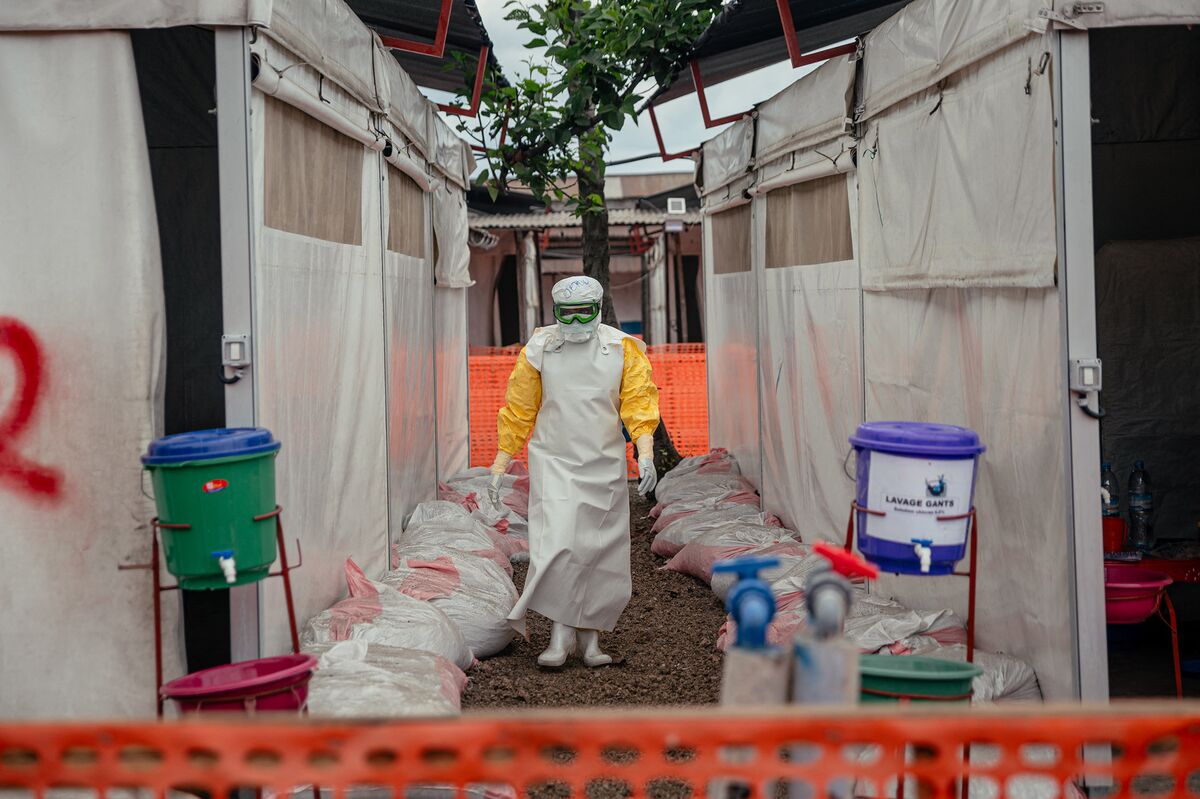
An incident involving an Ebola-infected person has raised alarm as the individual traveled from the United Arab Emirates to Uganda, according to announcements from the World Health Organization (WHO) on Wednesday. This news underscores the importance of continuous vigilance regarding infectious diseases, especially in a globalized world.
Understanding Ebola Virus Disease
Ebola Virus Disease (EVD) is a severe and often fatal illness caused by the Ebola virus. It was first identified in 1976 and has since caused several outbreaks primarily in African countries. The disease is characterized by a sudden onset of fever, fatigue, muscle pain, headache, and sore throat, which can then escalate to more severe symptoms, including vomiting, diarrhea, and internal and external bleeding. The virus is transmitted through direct contact with bodily fluids of infected individuals or animals, highlighting the need for strict hygiene and health measures, particularly in healthcare settings.
The Importance of Global Surveillance
The recent travels of an Ebola patient highlight the critical role of global health surveillance. Tracking and monitoring infectious diseases is essential to prevent outbreaks from spreading across borders. The WHO and other health organizations maintain robust surveillance systems to share information about potential threats. In this instance, they are working closely with health officials in both the United Arab Emirates and Uganda to manage any potential risks arising from this case. Quick reporting and response strategies can help contain the infection and safeguard public health.
Impact of Travel on Disease Spread
The interconnectedness of the modern world means that diseases can cross borders more easily than ever before. The journey of the individual from the UAE to Uganda underscores the urgency of understanding the implications of international travel on health risks. While well-established protocols exist for screening and managing health threats at borders, the complications posed by ongoing global travel necessitate heightened awareness and preparedness among travelers and health authorities alike.
Preventive Measures and Response Strategies
In response to the incident, health authorities in both the UAE and Uganda are likely to implement preventive measures to mitigate the risk of an outbreak. These could include increased health screenings at airports, ongoing public health campaigns to educate travelers about risks, and initiatives to improve healthcare readiness to manage possible cases. Moreover, vaccination for those at risk, coupled with effective contact tracing methods, will be essential to curb potential transmission.
In conclusion, the recent case of an Ebola-infected traveler has served as a reminder of the need for robust global health infrastructure and protocols to address infectious diseases. Awareness, prevention, and collaboration will be crucial to ensure the safety of communities worldwide. As the situation evolves, staying informed and vigilant will be key in managing the risks associated with diseases like Ebola.