
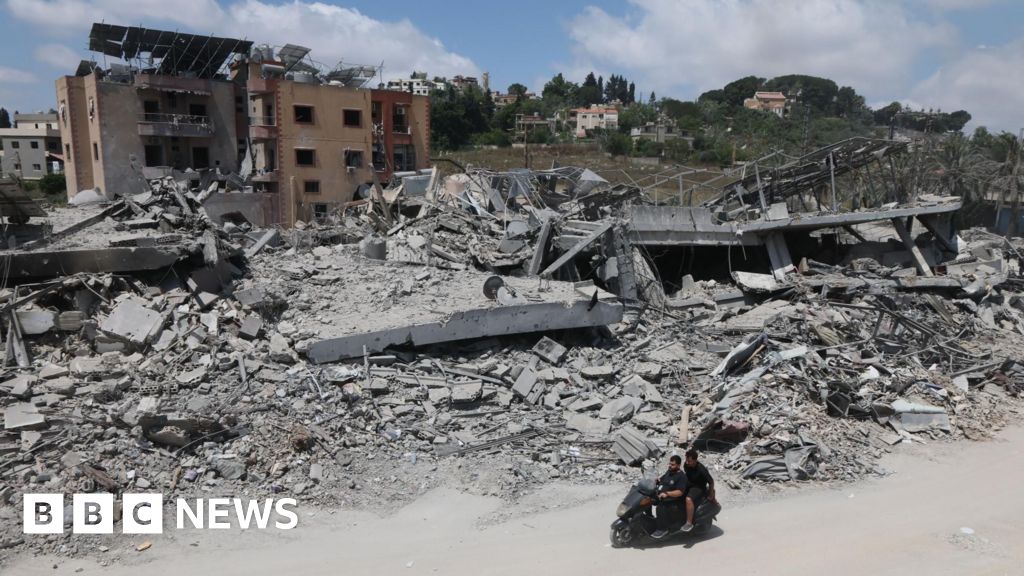
Israel’s military has reported the apprehension of two men it claims are associated with Hezbollah, the influential Lebanese militia. This development comes amid ongoing tensions in the region, with Hezbollah challenging the narrative by asserting that Israel has breached a ceasefire agreement. This situation underscores the volatile dynamics between Israel and Hezbollah, accentuated by broader geopolitical influences.
Understanding the Hezbollah-Israel Conflict
The decades-long animosity between Israel and Hezbollah is rooted in historical grievances and competing territorial claims. Hezbollah emerged in the early 1980s as a response to Israel’s invasion of Lebanon. Since then, the group has evolved into a significant political and military force, aligning itself with Iranian interests in the region. This alliance has intensified the conflict, as both parties continue to engage in hostile exchanges, raising concerns about regional stability.
In recent years, clashes have escalated along the Lebanon-Israel border, frequently resulting in casualties and military confrontations. Given Hezbollah’s extensive arsenal and sophisticated military capabilities, Israel views the group as a substantial threat to its national security. The situation is further complicated by the influence of Iran, which provides financial and logistical support to Hezbollah, thereby exacerbating the conflict and drawing in wider regional implications.
The Recent Developments and Their Implications
The arrest of the two men believed to be Hezbollah operatives has sparked renewed tensions. Israel’s military claims that their involvement poses a direct threat, justifying preemptive action. However, Hezbollah’s claim of a ceasefire violation raises questions about adherence to agreements and the potential for further escalation. Such incidents have the potential to provoke retaliatory actions, which could exacerbate already fragile ceasefire arrangements.
These developments occur against the backdrop of a broader international context, where various global powers have vested interests in the outcomes of the Israel-Hezbollah dynamic. The interplay of international diplomacy and regional military actions often complicates efforts to achieve lasting peace. Stakeholders are calling for increased diplomatic engagement to avoid further deterioration of the situation, highlighting the urgent need for dialogue to address underlying issues.
The Role of International Observers
International observers have a critical role to play in mediating between both sides. Organizations such as the United Nations have attempted to monitor ceasefire agreements and reduce hostilities but face significant challenges. Both Israel and Hezbollah have at times disregarded established protocols, highlighting the tenuous nature of peace efforts in the region.
The situation remains fluid, and the international community is urged to take a proactive stance. Engaging in constructive dialogue and establishing mechanisms for conflict resolution could pave the way for a more stable environment. It is essential for affected nations and global stakeholders to come together to address the underlying issues fueling the conflict, ensuring that both sides have a pathway to peace.
In conclusion, the arrest of the two alleged Hezbollah operatives illustrates the persistent volatility surrounding the Israel-Hezbollah conflict. Without concerted efforts toward diplomacy and conflict resolution, the risk of an escalation remains high, impacting not just the parties involved but the broader Middle Eastern geopolitical landscape.