
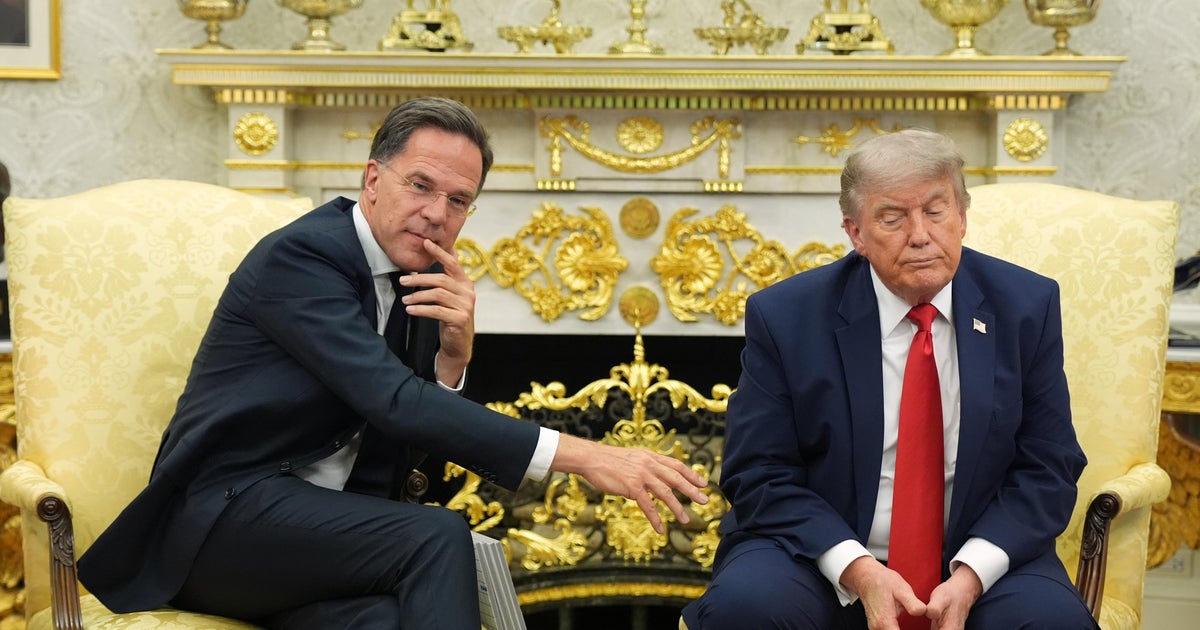
As the NATO summit commences in Turkey, President Trump emphasizes the importance of increased defense expenditures among member nations. Specifically, he advocates that NATO countries allocate 5% of their GDP to defense, a significant rise from previous expectations. This demand corresponds with the gradual withdrawal of U.S. military resources from Europe, a situation that could influence international relations within the alliance.
NATO Defense Spending Expectations
President Trump’s longstanding frustrations with NATO allies’ defense spending levels have been a focal point of his administration. During his presidency, he has consistently urged member nations to enhance their military budgets, shifting reliance away from U.S. military infrastructure established in the post-World War II era. Last year, during the NATO summit in The Hague, member countries agreed to increase defense investments to 5% of their GDP by 2035, following Trump’s influence.
According to U.S. Ambassador to NATO, Matt Whitaker, the objective remains to redistribute the responsibility of conventional defense primarily onto European nations and Canada. Whitaker stated, “The United States is committed to NATO but must also focus on our global responsibilities.” The push for increased funding will be a central theme at the summit in Ankara, with particular emphasis on nations like Poland, Germany, and the Nordic countries, which are making strides toward the 5% goal. Whitaker characterized any challenges surrounding these discussions as “growing pains,” as the U.S. repositions its role in NATO.
U.S. Military Presence in Europe
The gradual reduction of U.S. military personnel and assets in Europe aligns with the expectation that NATO allies must increase their defense expenditures. The Pentagon has already initiated plans to withdraw approximately 5,000 troops from Germany, coupled with cuts to fighter jets and other military resources. A senior U.S. official indicated that this shift in military posture is an essential component of the national security and defense strategies. “The goal is to enable our European allies to effectively address regional threats, freeing the U.S. to focus on other global priorities,” the official noted.
A core part of this strategy relies on the premise that enhanced capabilities among NATO members will allow for more effective defense against European threats. With this in mind, adjustments to U.S. military presence are anticipated as part of evolving strategic objectives.
Tensions With Allies
The president’s confrontations with certain allies, particularly Italian Prime Minister Giorgia Meloni, have added tension to ongoing diplomatic relations. Once a favored leader, Meloni has faced criticism from Trump over her insufficient support on various foreign policy matters, including the Strait of Hormuz’s security. This public spat may complicate interactions during the summit, especially since her foreign minister has canceled planned discussions with U.S. representatives.
Additionally, Trump’s enduring interest in acquiring Greenland continues to raise eyebrows. Greenland’s status as a semi-autonomous entity within NATO member Denmark has prompted backlash, not only from Denmark but also from other European nations. Although discussions around military action regarding Greenland have ceased, the strategic value of the territory for NATO security remains high on the agenda.
The Broader Implications
As the summit progresses, discussions are expected to broaden beyond defense spending and military presence. Issues such as the ongoing conflict in Ukraine, where President Trump is set to meet with Ukrainian leader Volodymyr Zelenskyy, will likely come to the forefront. The implications of U.S. foreign policy decisions on NATO’s collective security and the ongoing crisis in Eastern Europe can set the stage for future interactions within the alliance.
Overall, the outcomes of this summit hold significant weight for the future of NATO, influencing how member states prioritize defense spending, military cooperation, and broader international relations. As the landscape shifts, the responsibilities borne by each ally must be re-evaluated to ensure a unified and effective approach to both current and emerging global threats.