
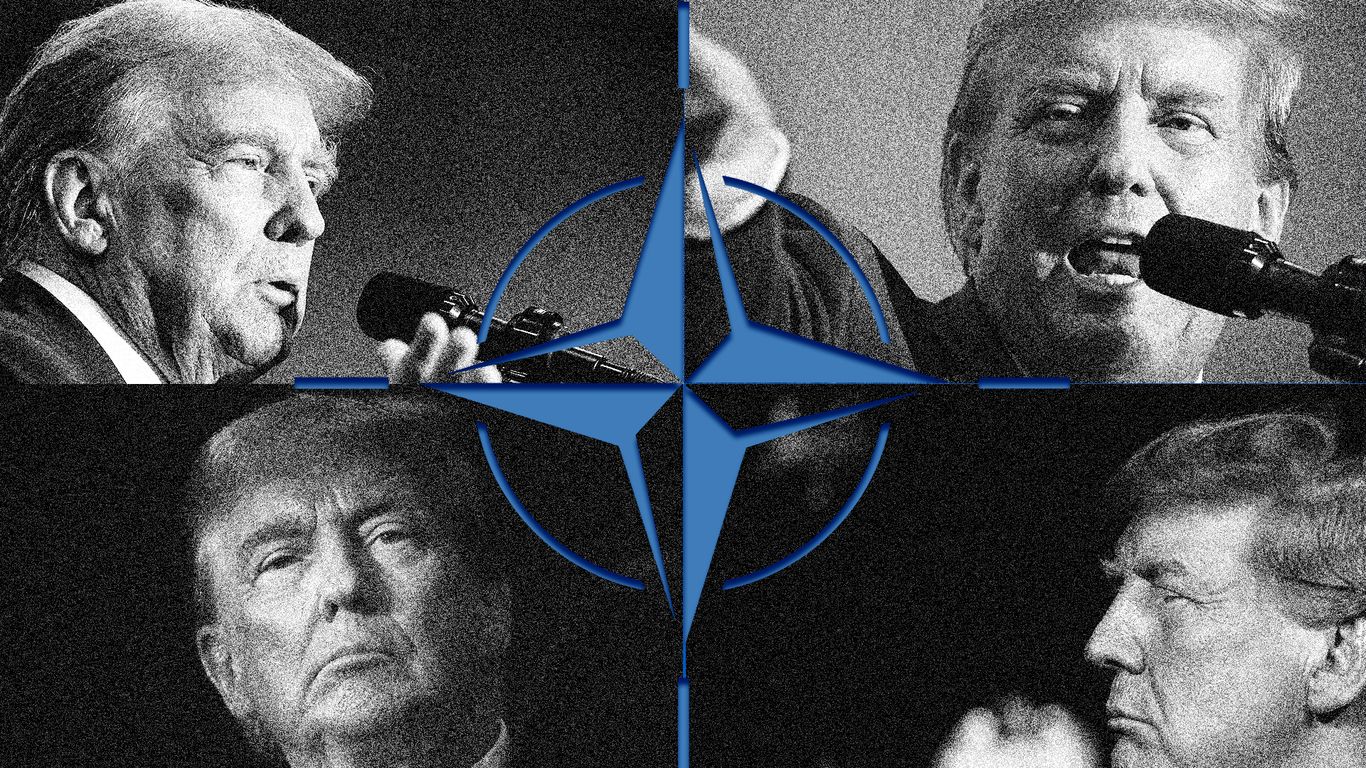
Understanding Trump’s Evolving View on NATO
Former President Donald Trump’s stance on NATO has shifted from skepticism to outright disdain, raising significant concerns among allies. This evolution in perspective reflects broader tensions in international relations and challenges the traditional framework of American foreign policy.
The Origins of Trump’s NATO Skepticism
Trump’s criticism of NATO first emerged during his 2016 campaign when he labeled the alliance as “obsolete.” His argument centered around the belief that many member countries were not contributing their fair share to defense spending. This rhetoric resonated with a portion of the American electorate, who felt that the U.S. was shouldering an unfair burden in global security matters. His presidency further intensified these views, as he questioned the value of the alliance in addressing contemporary security threats, such as terrorism and cyber warfare. Trump’s perspective plays into a broader narrative that prioritizes nationalism over international cooperation, prompting discomfort among long-term allies.
Open Contempt and Its Implications
As Trump’s administration progressed, his skepticism morphed into a more overt contempt for NATO. He openly criticized allies during summits, calling out countries he believed were not meeting the alliance’s defense spending targets. This approach not only strained relations within NATO but also emboldened adversaries, who interpreted Trump’s rhetoric as a sign of waning American commitment to collective security. The implications of this shift are profound; weakened alliances can lead to instability and could subsequently embolden countries with expansionist agendas.
Impact on International Relations
The fallout from Trump’s antagonistic stance towards NATO has implications that extend beyond the United States. European allies have begun to reassess their security strategies, with some nations considering increasing their defense budgets and capabilities to mitigate the perceived risk of reduced U.S. support. Additionally, Trump’s approach has stirred a sense of urgency among NATO member nations to unify their defense strategies and bolster inter-European cooperation. As nations cope with the decline in the perceived reliability of American assistance, the landscape of global diplomacy is shifting.
The Future of NATO in a Post-Trump Era
With the ongoing debates surrounding NATO and its relevance, the future of the alliance remains uncertain. If Trump were to return to office, his policies could further solidify this trend of skepticism and weaken the transatlantic bond. However, should new leadership emerge focused on revitalizing relationships with allies, it could signal a shift back towards a more cooperative stance. As global threats continue to evolve, the need for a united front among NATO member states becomes increasingly crucial. The alliance must navigate these challenges to ensure it remains a cornerstone of international security.
In conclusion, Trump’s transition from skepticism to contempt regarding NATO raises significant questions about the future of international alliances. The evolving geopolitical landscape demands that nations remain vigilant and adaptable in addressing threats, whether they originate from traditional adversaries or new forms of warfare. The enduring strength of NATO will depend on the commitment of its members to uphold the principles of collective defense and mutual support, ensuring that it continues to play a vital role in global security.