
Israel’s military leaders are signaling a potential third strike on Iran as tensions escalate in the region. U.S. officials are closely coordinating with Israel, aiming for a unified response in this complex and volatile situation.
Israel’s Preparedness for Military Action
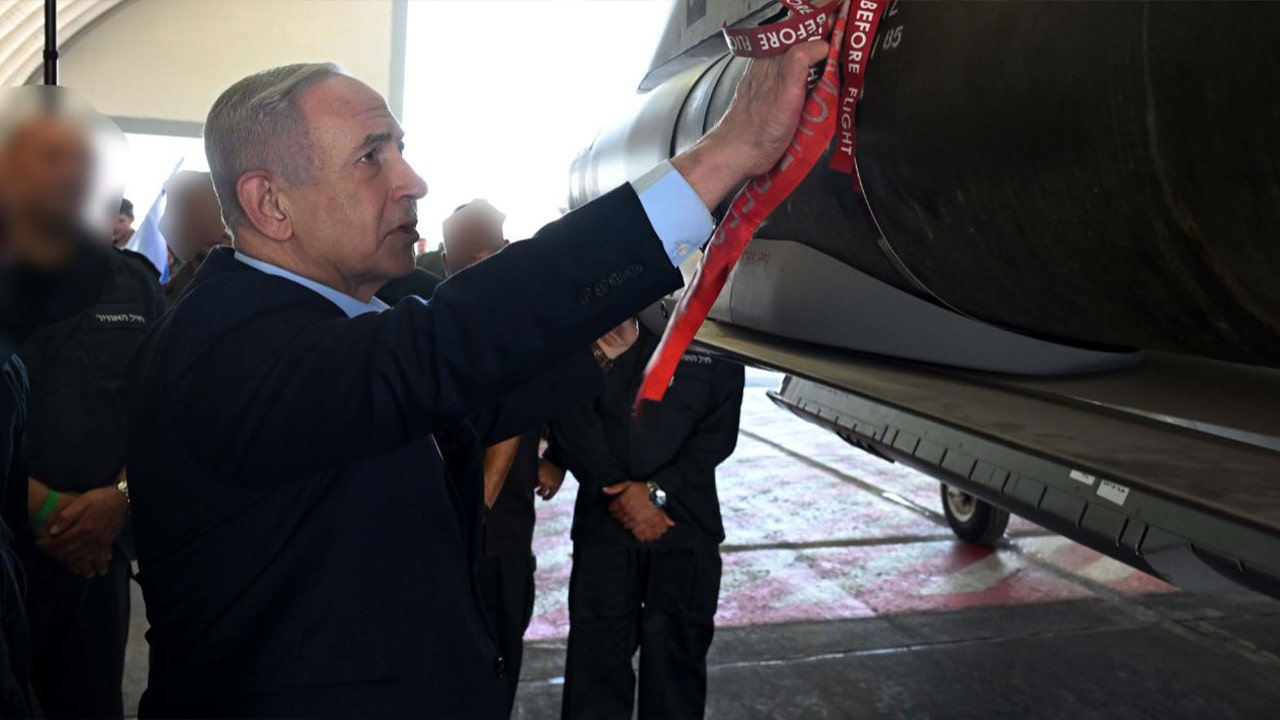
During a recent graduation ceremony for new Israeli Air Force pilots, Defense Minister Israel Katz announced that the Israeli Defense Forces (IDF) are on high alert. “If we have to return, we will return with even greater force,” Katz remarked, reinforcing the notion that Israel stands ready to eliminate threats from Iran. This preparation comes in the wake of previous military actions, highlighting Israel’s ongoing strategy concerning Iran’s nuclear ambitions and regional influence.
Prime Minister Benjamin Netanyahu echoed these sentiments, asserting that Iran would not be allowed to develop nuclear weapons, regardless of any agreements involving the United States. He emphasized that “the war has not yet ended,” as the region faces new challenges alongside existing threats. Netanyahu’s commitment suggests that Israel will not hesitate to take action if deemed necessary for national security.
U.S.-Israeli Relations and Coordination
As tensions rise, the dynamics of U.S.-Israeli relations are under scrutiny. Reports have surfaced suggesting a divergence in strategies, with some Israeli sources claiming that the current U.S. administration is reluctant for Israel to participate in military actions against Iran. However, a U.S. official dismissed these claims, affirming that the partnership remains strong despite differing tactical concerns. This reassurance reflects a long-standing alliance supported by intelligence-sharing and coordinated military efforts.
The backdrop of U.S. operations in the region is heightened after recent aggressive actions from Iran, prompting military alerts on both sides. Israel provided the U.S. with intelligence regarding an Iranian plot, leading to further discussions on reactive measures in the Strait of Hormuz. These strategic communications underscore the importance of collaboration between Washington and Jerusalem in preventing escalation.
The Risks of Renewed Conflict
While Israel’s military readiness may be portrayed publicly, often there are underlying hesitations about engaging in extensive military action. Analysts suggest that the public posturing may not accurately reflect the internal sentiment regarding renewed strikes on Iran. Concerns over potential Iranian retaliations, especially missile attacks against Israel, loom large, leading some to argue for a more cautious approach to military engagement.
The upcoming political landscape in Israel also plays a vital role in decision-making. Netanyahu faces domestic pressures, particularly with impending elections, and any military undertakings must be framed as justified and beneficial to public safety. A strategic misstep could have significant repercussions for his administration.
In conclusion, while Israel continues to signal its readiness for military action against Iran, the complexities involved—from U.S. relations to domestic political considerations—will greatly influence the likelihood and scope of such actions. As both Israel and the U.S. navigate this precarious situation, the potential for either conflict escalation or de-escalation remains in play.