
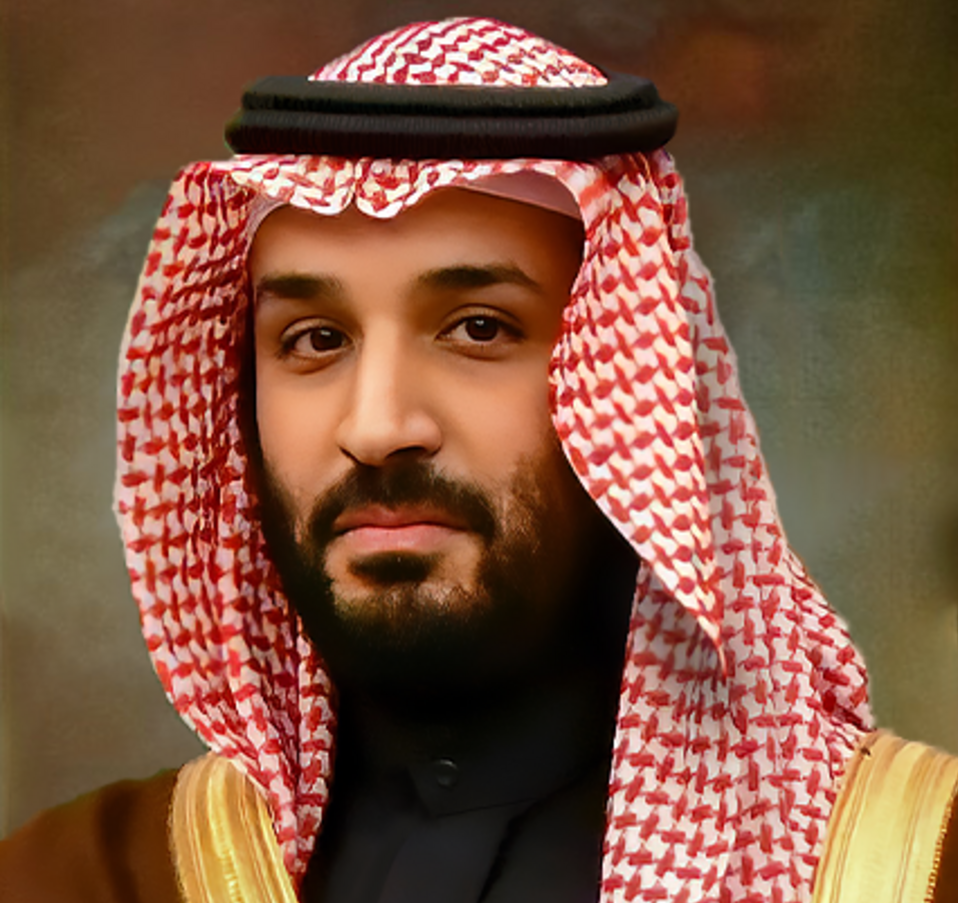
Before the events of October 7, 2023, Saudi Crown Prince Mohammed bin Salman (MbS) was pursuing normalization with Israel, collaborating with Washington on a complicated framework that included defense agreements, civilian nuclear initiatives, and recognition of Israel. Despite public sentiment around the Palestinian issue, MbS believed that normalization with Israel was strategically beneficial for Saudi Arabia. This perception had shifted significantly due to recent events in the region. The aftermath of the Hamas attacks have prompted Saudi Arabia to reassess its position regarding both Israel and Iran, now viewing them as equally destabilizing forces in the Gulf. This perspective has increasingly influenced Saudi policy and its interactions with both regional and global partners.
### The Evolving Saudi Perspective
Saudi Arabia’s recent focus on Israel and Iran as dual threats is built on a complex reasoning, but it presents a misleading equivalence. Iran’s ambition to expand its influence through proxies and military threats starkly contrasts with Israel’s recent shift toward proactive military operations in response to perceived existential threats. The Saudi narrative often conflates the actions of these two nations into a singular framework of instability—a characterization that may serve its political agenda but overlooks the nuances of both nations’ objectives. In the eyes of Saudi leadership, acknowledging a shared threat narrative serves various domestic and international purposes, allowing MbS to align more closely with a public wary of Israeli actions while distancing the Kingdom from pro-Israel sentiments.
### The Israeli Security Doctrine Transformation
The October 7 incident fundamentally altered Israeli security strategy. The breach of Gaza led to unprecedented attacks on Israeli civilians and soldiers, prompting a doctrinal reevaluation. Israel’s security apparatus concluded that future threats would not solely be deterred through conventional military displays. Instead, the focus shifted to preemptive and active measures against perceived threats, irrespective of geographical constraints. This new operational methodology saw Israel engaging in extensive military campaigns against threats across multiple fronts, from Gaza to Hezbollah in Lebanon and Iranian assets in Syria. Such actions projected a formidable military posture, raising alarms among neighboring states like Saudi Arabia, which began to reassess the implications of Israeli assertiveness on its own security.
### The Saudi Reaction to Israeli Military Operations
Saudi Arabia’s response to intensified Israeli military operations reflected an evolution in its diplomatic strategy. Initially, normalization talks were put on hold, with officials claiming it was only a postponement. However, as military actions persisted, Saudi rhetoric became more aggressive, labeling Israeli actions as genocide by mid-2024. The once flexible approach to normalization turned rigid, with MbS insisting that any relations be contingent on the establishment of a Palestinian state with East Jerusalem as its capital. This hardening stance underscored a significant shift in Saudi priorities, echoed by a burgeoning opposition against Israeli-led initiatives such as the Abraham Accords.
### The Pursuit of an Alternative Security Framework
Riyadh’s rejection of normalization with Israel paved the way for broader regional ambitions. Following the Gaza conflict, Saudi Arabia has actively sought partnerships beyond traditional frameworks, such as its mutual defense agreement with Pakistan. This new strategic direction emphasizes the establishment of an independent regional order centered on Saudi interests. Additionally, the R-4 quartet, which includes key regional players, represents a coalition that aims to redefine security discussions in the Gulf, distancing itself from reliance on the U.S.-Israeli alliance. This evolving paradigm not only seeks to assert Saudi leadership but also influences the overall geopolitical landscape in the region.
In summary, the complex dynamics arising from the recent escalation in conflict have catalyzed a significant shift in Saudi Arabia’s foreign policy. By adopting a dual-revisionist framework toward Iran and Israel, MbS is repositioning Riyadh as a key regional player poised to shape the future of Middle Eastern geopolitics, reflecting its long-term aspirations for leadership and stability. This evolving narrative—casting both adversaries as equal disruptors—serves to consolidate domestic support while fostering a new vision of regional security that aligns with Saudi interests.