
The situation in the Strait of Hormuz is currently escalating, with notable military exchanges between the U.S. and Iran over control of this vital energy passage. As tensions heighten, the consequences for international shipping and regional stability could be significant.
Recent Military Actions
In the past week, U.S. military forces have carried out three waves of strikes in response to Iranian assaults on commercial vessels navigating the Strait. The U.S. aims to defend a shipping route that runs along the coast of Oman, an area critical for global energy transportation. According to Central Command, these actions involved targeting 300 sites aimed at diminishing Iran’s capacity to attack maritime traffic in the region. The most extensive operation occurred late Saturday, which saw attacks on around 140 Iranian military facilities, including missile sites, naval resources, and communication networks.
On the other side, Iran has been targeting Gulf Arab nations, including Bahrain, Kuwait, and Qatar, marking a significant escalation of conflict since early spring. Despite Tehran’s assertions that the Strait is once again “closed,” U.S. officials maintain that this claim does not hold water. Central Command emphasized its readiness to ensure freedom of navigation despite Iranian threats, asserting that maritime traffic continues to flow unhindered.
Iran’s Maneuvering and U.S. Response
Iran has attempted to justify its aggression by referencing a recent memorandum of understanding with the U.S., claiming authority over ship traffic in the strait. The Iranian military has reportedly targeted vessels not adhering to a corridor they support, thus intensifying conflicts over naval routes. As these skirmishes continue, ship-tracking data shows a decline in shipping activity along the U.S.-defended route, further complicating the situation. While Iranian drone and missile attacks have persisted, U.S. retaliatory measures have proven more effective, yet complete safety for vessels in the strait remains unachieved.
Experts, such as military historian Sal Mercogliano from Campbell University, have voiced concern about the ongoing hostilities. He articulated fears about potential escalations leading to a wider conflict, comparing the current situation to past events that drew the U.S. deeper into Middle Eastern affairs. Mercogliano cautioned against the backdrop of historical “tanker wars,” suggesting that the ongoing tensions may mark the beginning of an undeclared naval conflict.
Potential Solutions and Military Presence
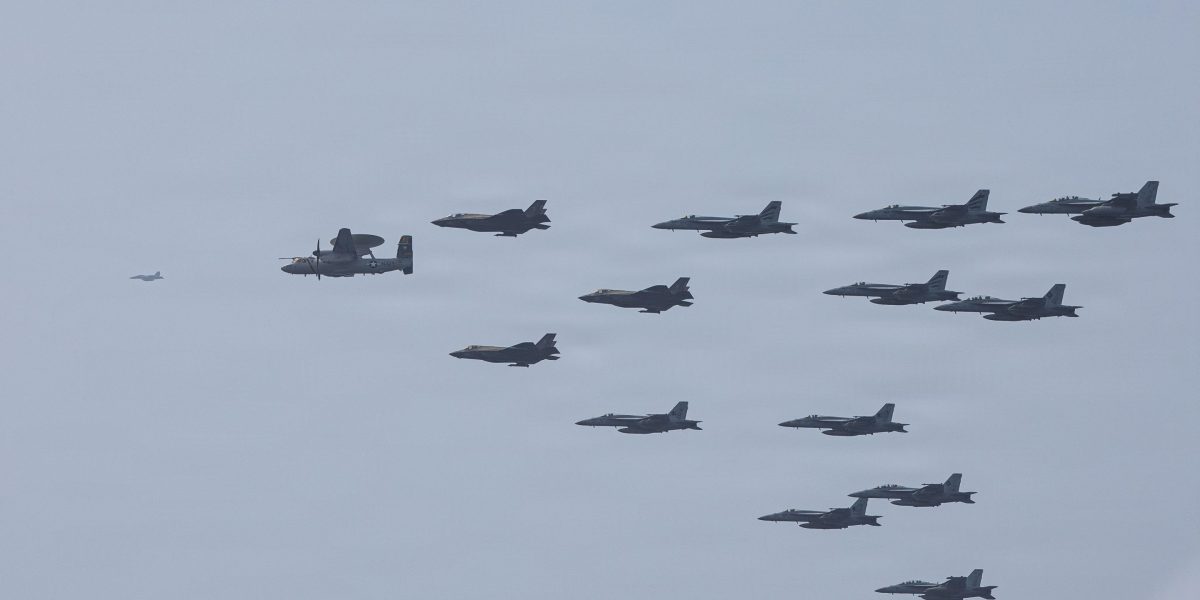
As diplomatic efforts wane and neither side shows a willingness to retreat, the prospects for restoring unrestricted maritime navigation seem bleak. Reports suggest that Oman is proposing a dual-corridor system for managing traffic, with one route through its waters and another through Iranian-controlled areas. For now, the U.S. maintains a substantial military presence in the region, with around 20 Navy warships currently active in patrolling Middle Eastern waters to secure shipping routes.
President Donald Trump has expressed hesitancy regarding a full-scale military engagement, yet he has indicated a willingness to reconsider the naval blockade imposed earlier this year. This blockade significantly disrupted Iranian oil exports, a critical revenue source for the Iranian economy, which was already struggling due to ongoing global sanctions and economic pressures. Should a blockade be reinstated, the implications for Iran could be dire, as warnings have surfaced regarding impending budget crises and shortages of essential goods.
Ongoing Economic Impacts
Iranian officials are sounding alarms about dire economic conditions, with the central bank forecasting a severe crisis if the blockade persists. The inability to distribute oil through viable trade routes could lead to critical shortages of food and medical supplies by late summer. Observers have noted that the economic fallout from international actions has left the Iranian economy in a precarious position, and without a swift resolution, both sides risk tumbling further into chaos.
In summary, the conflict in the Strait of Hormuz represents a critical flashpoint for U.S.-Iranian relations, with significant implications for global shipping and regional stability. As military actions continue and economic pressures mount, the need for effective diplomatic solutions has never been more pressing. The world watches closely as both nations navigate this increasingly tense standoff.