
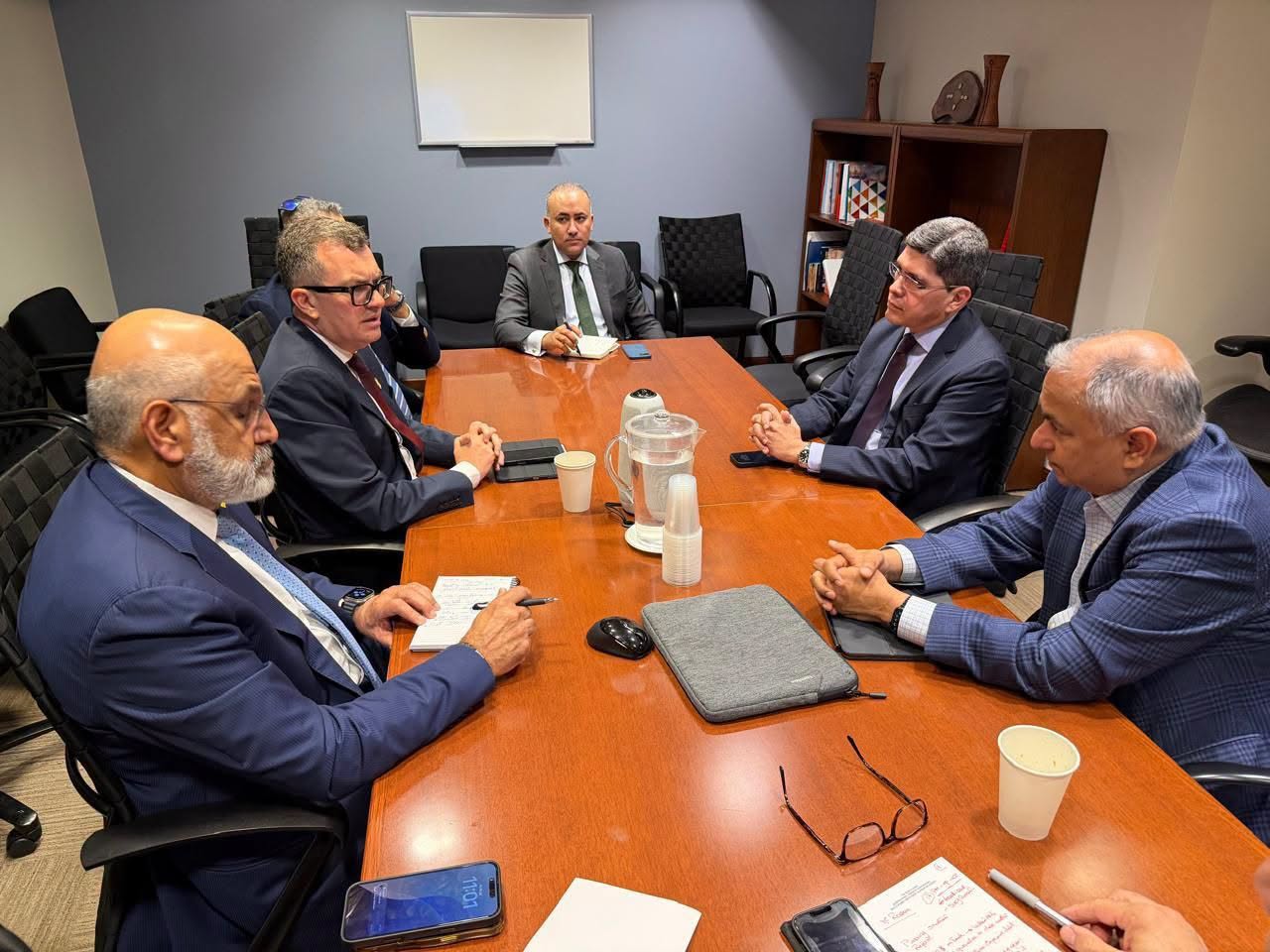
Egypt is set to introduce innovative financing solutions for its infrastructure projects after extensive discussions with the World Bank, as announced by Minister of Planning and Economic Development Ahmed Rostom during high-level meetings in the United States.
Strategic Discussions with the World Bank
Rostom met with Katiana Kaelouri, a senior expert from the World Bank specializing in financial development, to finalize the framework for new funding initiatives during the UN High-Level Political Forum on Sustainable Development (HLPF 2026) held in New York. These discussions aim to ensure that the upcoming infrastructure projects align with international standards and best practices in financial management.
In addition to his meeting with Kaelouri, Rostom engaged in fruitful talks with other World Bank officials, including Pablo Saavedra, the Vice President for Prosperity, and Sandeep Mahajan, the Regional Director for Equitable Growth, Finance, and Institutions in the MENA region. The focus was on the priorities outlined in Egypt’s recently approved 2026/27 development plan and its medium-term strategy extending to 2029/30.
Economic Growth and Investment Priorities
The newly ratified economic plans are designed to foster sustained growth and increase the share of private investments in Egypt’s overall investment landscape. Key initiatives include the continuation of the “Decent Life” presidential initiative, the advancement of a comprehensive health insurance program, and a significant boost in spending on human capital development. These efforts are integral to elevating the quality of life for citizens and laying the groundwork for robust economic performance.
Rostom emphasized the government’s commitment to upgrading the planning system to enhance public investment efficiency and bolster economic reforms. This participatory planning approach is aimed at maximizing the impact of development projects and creating meaningful employment opportunities for the population.
Resilience Amid Global Pressures
Despite ongoing global economic challenges, Rostom highlighted the resilience of the Egyptian economy, which recorded a growth rate of 5.1% during the first nine months of the last fiscal year. He reiterated that the government is transitioning from a phase of economic stabilization to one that actively promotes growth and improves living standards by harnessing structural economic potential.
The Egyptian delegation’s meetings with World Bank representatives were attended by key figures, including Egypt’s Ambassador to the United States, Moataz Zahran, Abdulaziz Al-Mulla, the Executive Director for Egypt and the Arab Group at the World Bank, and Hisham Seif, the Alternate Executive Director. This collective effort underscores Egypt’s strong partnership with the World Bank and its commitment to achieving the goals outlined in “Egypt Vision 2030.”
As Egypt embarks on this crucial phase of development, the focus on innovative financing solutions and strategic partnerships are essential elements in driving the nation toward a sustainable and prosperous future.